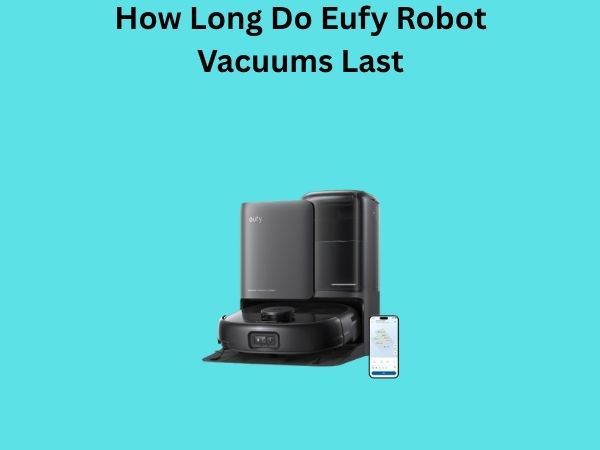
Eufy Longevity Guide: How Long Do Eufy Robot Vacuums Last?
If you’re thinking about investing in a robot vacuum, you’ve probably wondered whether it’s actually worth the money. One of the biggest questions people ask me is, “How long will this thing actually last?” It’s a fair question, especially when you’re considering dropping a couple of hundred dollars on a cleaning gadget. Today, I want to walk you through everything you need to know about Eufy robot vacuum longevity, and believe me, there’s quite a bit to cover.
I’ve spent considerable time researching and analyzing Eufy robot vacuums, and what I’ve found is genuinely encouraging. These devices aren’t just flashy gadgets that fall apart after a year—they’re built to last. But like anything with moving parts and electronics, their lifespan depends on several factors that you have control over.
Understanding the Average Lifespan of Eufy Robot Vacuums
So, let’s cut right to the chase: how long can you realistically expect your Eufy robot vacuum to keep working? Based on real-world usage patterns and manufacturer specifications, most Eufy robot vacuums are designed to function effectively for anywhere between 4 to 7 years. Now, before you think that sounds short, hear me out. This is actually pretty respectable for a piece of household technology that runs automatically multiple times per week.
Think about it this way—your robot vacuum is like a little worker bee in your home. It’s constantly moving around, bumping into obstacles, climbing over transitions, and sucking up dirt. The fact that it can keep doing this reliably for five years or more speaks volumes about the engineering that goes into these devices.
What Determines the Actual Lifespan?
Here’s the thing: the lifespan isn’t set in stone. I’ve seen some Eufy robot vacuums perform flawlessly for nearly a decade, while others might need repairs earlier. What makes the difference? It’s all about how well you maintain the device and how frequently you use it.
The Role of Regular Maintenance in Extending Your Device’s Life
Maintenance is honestly the biggest factor in determining how long your Eufy robot vacuum will last. I can’t stress this enough—a well-maintained robot vacuum will outlive a neglected one by years. It’s not complicated, but it does require consistency.
Cleaning the Dustbin Regularly
This is the most fundamental maintenance task you can do. Your Eufy robot vacuum’s dustbin should be emptied after every cleaning cycle or at least every couple of uses. When the dustbin gets too full, the suction power decreases significantly. But here’s what many people don’t realize: a constantly overflowing dustbin forces your vacuum’s motor to work harder than it should. This extra strain accumulates over time and can shorten the motor’s lifespan considerably.
Think of it like making your car run constantly with a clogged air filter—eventually, the engine suffers. So make it a habit to empty that dustbin. It takes literally thirty seconds, and it can add years to your device’s life.
Maintaining the Brush Systems
Your Eufy robot vacuum has both a main brush and side brushes that work together to push debris toward the suction inlet. These brushes wear down over time because they’re in constant contact with your floor. Hair, pet fur, and fibers wrap around these brushes, which not only reduces their effectiveness but can also cause them to wear out faster if not cleaned regularly.
I recommend checking and cleaning the brushes weekly. Look for tangled hair and use scissors or a brush cleaning tool to remove debris. Most Eufy models recommend replacing the main brush every 100-150 hours of use, and side brushes every 200 hours. This might sound like a lot, but if you use your vacuum daily, you’re only looking at replacing these brushes once or twice a year—usually for under fifty dollars.
Cleaning the Sensors and Wheels
Eufy robot vacuums rely on sensors to navigate your home and detect obstacles. Dust and debris can accumulate on these sensors over time, which can affect the vacuum’s ability to move around effectively. Once a month, take a soft, slightly damp cloth and gently wipe down all the sensors on the bottom and sides of your vacuum.
Similarly, the wheels and undercarriage can collect lint and debris. A quick monthly inspection where you remove any tangled hair or debris from the wheels keeps everything running smoothly and prevents unnecessary strain on the motor.
Understanding the Key Components and Their Lifespans
Not all parts of your Eufy robot vacuum will last equally long. Some components are designed to be replaced periodically, while others should keep working for the life of the device. Let me break down what you’re looking at:
The Motor and Suction System
The motor is the heart of your robot vacuum. If properly maintained, the motor in a Eufy device should easily last 5 to 7 years, sometimes longer. However, if you’re not emptying the dustbin regularly or if you’re using the vacuum in particularly dusty conditions, the motor can wear out faster. When a motor starts to fail, you’ll notice a significant decrease in suction power that regular cleaning won’t fix.
The Battery Performance
Here’s something critical to understand about lithium-ion batteries, which all modern robot vacuums use: they degrade over time, no matter what. It’s not a defect; it’s just how battery chemistry works. A typical Eufy robot vacuum’s battery will maintain about 80 percent of its original capacity after about 2 to 3 years of regular use.
This means your vacuum might only run for 90 minutes instead of its original 100 minutes. After 4 to 5 years, you might see it drop to 70 percent capacity. The good news? Eufy’s batteries are typically replaceable and fairly affordable. So even if your vacuum itself lasts for seven years, you might only need to replace the battery once or twice during that span.
The Charging Dock and Electrical Components
The charging dock and internal electrical components are generally quite durable. I’ve seen charging docks last just as long as the vacuum itself. However, exposure to moisture or physical damage can compromise these components. Keep your charging dock in a dry location and protect it from dust as much as possible.
How Your Usage Patterns Affect Longevity
Let’s talk about how often you use your vacuum, because this absolutely influences its lifespan. A Eufy that runs once a day will accumulate wear and tear differently than one that runs three times a week.
Daily vs. Occasional Use
If you run your vacuum daily, you’re putting more cumulative hours on the motor and brushes. However, from what I’ve observed, this doesn’t dramatically shorten the lifespan if you maintain it well. In fact, some models are designed with daily use in mind. The key is that consistent use often means more consistent maintenance habits.
On the other hand, if you only use your vacuum occasionally, it might actually last longer in terms of raw hours logged. But there’s a trade-off: infrequent use can sometimes lead to neglecting maintenance tasks, which can be counterproductive.
The Impact of Your Home’s Characteristics
Here’s something people often overlook: your home environment significantly affects how long your vacuum will last. If you have multiple pets, your brushes will clog more frequently and wear out faster. If you have primarily hard floors, there’s less strain on the motor compared to thick carpeting. If you have a lot of stairs and transitions, your vacuum’s wheels and suspension system will work harder.
None of this means your vacuum will fail prematurely if you maintain it well. But it does mean you should adjust your maintenance schedule based on your specific conditions.
Common Issues That Can Shorten a Eufy Robot Vacuum’s Life
Some things can genuinely compromise your vacuum’s longevity before it naturally reaches the end of its useful life. Let me share what I’ve seen cause problems:
Physical Damage and Accidents
Robot vacuums are generally pretty tough, but they’re not indestructible. A tumble down the stairs, getting stuck under furniture, or repeated collisions with obstacles can damage the chassis and internal components. While Eufy vacuums are designed to handle minor bumps, significant physical trauma can reduce their lifespan considerably.
Exposure to Moisture and Humidity
These are electronic devices, and electronics don’t like moisture. If you use your vacuum in a particularly humid environment or—heaven forbid—accidentally expose it to water, the lifespan can be significantly reduced. The electrical components and battery are especially vulnerable.
Neglecting Software Updates
Eufy frequently releases software updates that optimize performance and fix bugs. If you ignore these updates, your vacuum might not run as efficiently, which can put strain on the hardware. I always recommend keeping your Eufy app updated and allowing your vacuum to receive the latest firmware.
Poor Charging Habits
While Eufy’s charging systems are pretty smart and include overcharge protection, constantly leaving your vacuum plugged in after it’s fully charged can stress the battery over time. Ideally, you should dock your vacuum only when it needs charging and disconnect it after it’s charged—though I’ll admit this is more of a best practice than a critical requirement.
Real-World Lifespan Expectations for Different Eufy Models
Eufy offers quite a range of robot vacuums, from budget-friendly to premium models. Do they all last equally long?
Budget-Friendly Eufy Models
The more affordable Eufy models, while still well-constructed, might have slightly shorter lifespans than premium versions. You’re looking at about 4 to 5 years with regular maintenance. This isn’t a criticism; it reflects the trade-offs that come with lower price points.
Mid-Range Eufy Vacuums
This is probably where most people shop, and it’s a sweet spot. Mid-range Eufy models typically last 5 to 6 years with good maintenance. They offer excellent value because they’re built with quality components without the premium pricing.
Premium Eufy Models
The high-end models, often featuring advanced mapping technology and multiple cleaning modes, can easily last 6 to 7 years or more. The extra investment in engineering and components pays dividends in longevity.
Cost-Benefit Analysis: Is the Lifespan Worth the Investment?
Let’s put this in perspective. A decent Eufy robot vacuum costs somewhere between $200 and $600. If it lasts five years, that breaks down to $40 to $120 per year, or about $3 to $10 per month.
Compare this to the cost of hiring a cleaning service weekly, which can run $100 to $300 per month, and suddenly a five-year lifespan seems fantastic. Even if you factor in occasional repairs or part replacements, you’re still coming out ahead financially.
When Should You Consider Replacing Your Eufy Robot Vacuum?
At some point, even well-maintained vacuums reach the end of their useful life. How do you know when it’s time to upgrade?
Signs Your Vacuum Is Nearing the End
- Consistently poor suction power despite regular maintenance
- Frequent errors or unexpected shutdowns
- Battery no longer holds adequate charge
- Strange noises indicating internal damage
- Loss of navigation and mapping abilities
- Repairs becoming more frequent and expensive
If you’re spending $100 or more on repairs every few months and your vacuum is already four or more years old, it’s probably time to consider a replacement rather than continual repairs.
Maximizing Your Eufy Robot Vacuum’s Lifespan: A Maintenance Checklist
Let me give you a practical maintenance schedule that will help you get the maximum life out of your Eufy vacuum:
Weekly Maintenance Tasks
- Empty the dustbin after each use or every couple of uses
- Check and clean the main brush for tangled hair
- Inspect the side brushes and remove any debris
Monthly Maintenance Tasks
- Wipe down all sensors with a soft, slightly damp cloth
- Check the wheels for debris and clean thoroughly
- Inspect the charging dock and contacts for any dirt
- Check the filter and tap it to release dust (or rinse if your model allows)
Quarterly Maintenance Tasks
- Deep clean the vacuum’s exterior
- Check the power cord and charging dock for any damage
- Review your app settings to ensure optimal performance settings
Annual Maintenance Tasks
- Assess brush wear and replace if necessary
- Check for any software updates and install them
- Evaluate overall performance and battery health
- Replace the filter if it’s showing signs of wear
Warranty and Extended Coverage Options
Most Eufy robot vacuums come with a one-year warranty covering manufacturing defects. This is decent, but it doesn’t cover wear and tear or accidents. Some retailers offer extended warranty options, usually for $30 to $80 additional. Whether this is worth it depends on your risk tolerance and how accident-prone your household is.
The Environmental Impact of Robot Vacuum Lifespan
Here’s something I think about: the longer your robot vacuum lasts, the less e-waste you’re generating. A seven-year lifespan means you’re not replacing the device as often, which is better for the environment. This is actually one of the arguments for choosing a quality brand like Eufy—you’re making a more sustainable choice by investing in something that will last.
Conclusion
So, how long do Eufy robot vacuums last? The honest answer is that with proper maintenance and care, you can realistically expect 4 to 7 years of reliable service, with some units lasting even longer. The lifespan depends heavily on your maintenance habits, usage patterns, and home environment, but the great news is that most of these factors are within your control.
Eufy has built a reputation for quality, and their robot vacuums reflect that commitment. They’re not disposable gadgets; they’re thoughtfully engineered devices designed to be your cleaning partner for years to come. By following a simple maintenance routine and treating your vacuum with reasonable care, you’ll ensure it keeps working effectively for the long haul.
Think of it this way: your Eufy robot vacuum is an investment in convenience and cleanliness. The time you invest in basic maintenance is minimal compared to the years of effortless cleaning you’ll receive in return. That’s a pretty good deal if you ask me.
Frequently Asked Questions
Can I replace the battery in my Eufy robot vacuum myself?
Yes, absolutely. Most Eufy robot vacuums have easily replaceable batteries. The process typically involves removing a few screws on the bottom of the unit and disconnecting the old battery before installing the new one. The entire process takes about ten minutes, and replacement batteries are readily available online for reasonable prices, usually between $40 and $80 depending on the model. However, if you’re uncomfortable doing this yourself, you can always send it to Eufy’s service center
![7 Best Robot Vacuum For Pet Hair Under $500 [2026]](https://robotvacuumfact.com/wp-content/uploads/2026/08/7-best-robot-vacuum-for-pet-hair-under-500-2026-featured-768x432.jpg)
![7 Best Robot Vacuum For Hard Floors [2026]](https://robotvacuumfact.com/wp-content/uploads/2026/08/7-best-robot-vacuum-for-hard-floors-2026-featured-768x432.jpg)