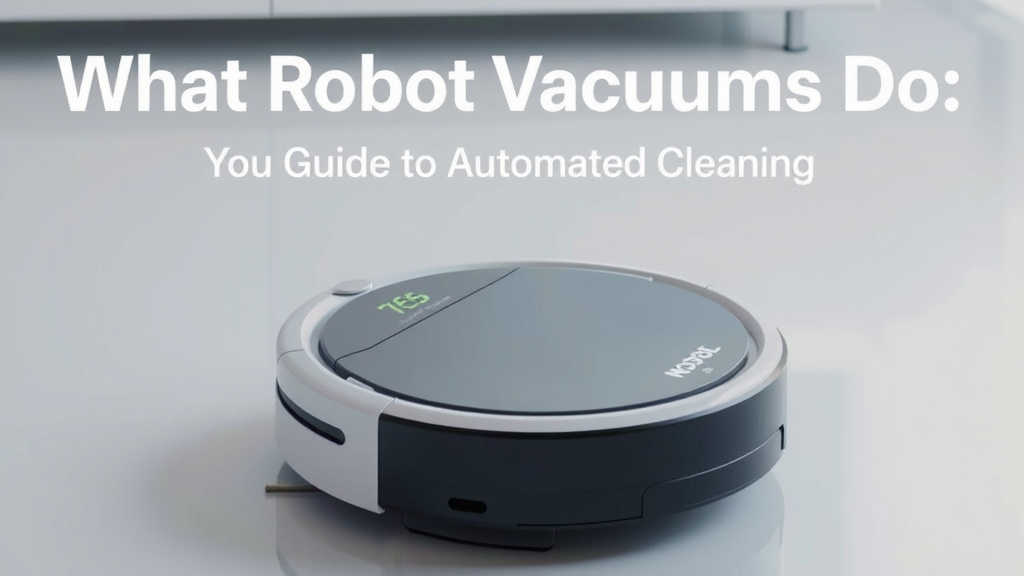
What Robot Vacuums Do: Your Guide to Automated Cleaning
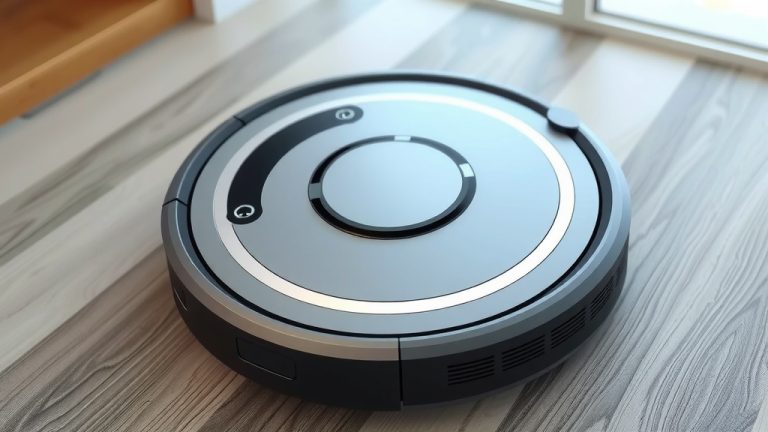
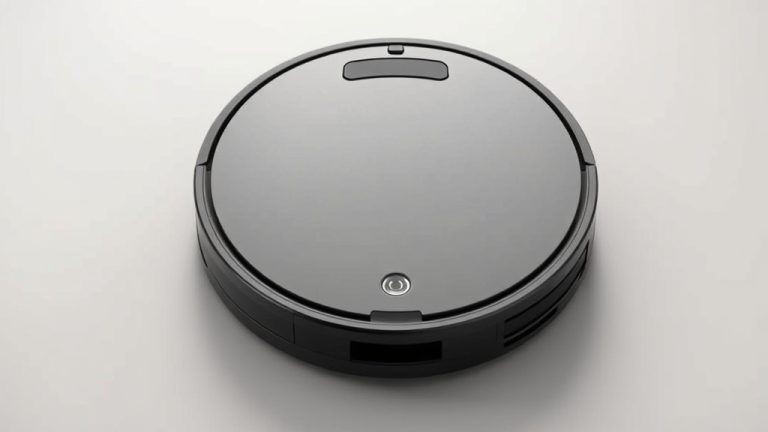
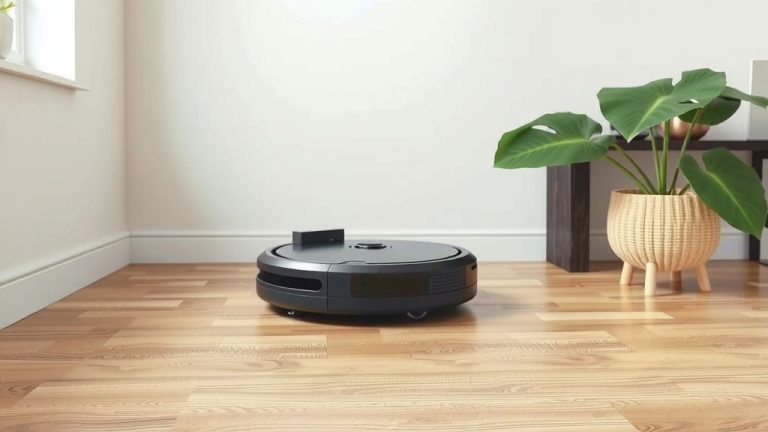
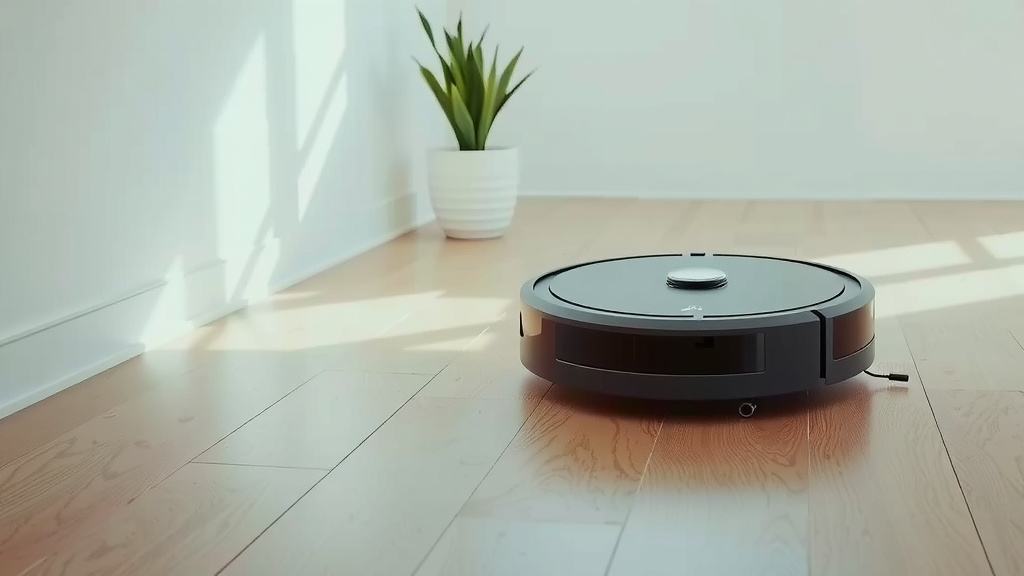
A robot vacuum cleaner is a smart device that automatically cleans your floors. It uses sensors to navigate your home. It vacuums up dust, dirt, and debris without you doing anything. Think of it as your personal floor-cleaning assistant!
These little machines can make a big difference in your daily life. They keep your carpets and hard floors looking their best. This frees up your time for more important things. You’ll enjoy a cleaner home with less effort, a real win-win situation.
- Robot vacuums clean floors automatically.
- They use sensors for navigation.
- They pick up dust, dirt, and pet hair.
- They save you time and effort.
- Many can be controlled with an app.
Ready to see how these amazing gadgets can transform your cleaning routine? Let’s break down exactly what a robot vacuum does and how it can benefit your home.
What a Robot Vacuum Actually Does for Your Home
So, you’re curious about these little automated cleaning buddies. You’re wondering, “What exactly does a robot vacuum cleaner do?” In short, it handles the daily drudgery of keeping your floors clean so you don’t have to. These smart gadgets use a combination of sensors and pre-programmed logic to navigate your home, suck up dust bunnies, and leave your floors looking tidier.
The Smart Navigation System: How They Get Around
Robot vacuums aren’t just randomly bumping around. They’re equipped with sophisticated sensors that help them map your home and avoid obstacles. Think of them as tiny, diligent explorers charting your living room. These sensors are key to their operation. They help the robot understand where it is and where it needs to go.
Types of Navigation Technology
Most robot vacuums use a combination of sensors to get the job done. Infrared sensors are common. They help the robot detect walls, stairs, and furniture. This prevents them from bumping into things too hard or taking a tumble down the stairs. Some models also use cameras or lidar (light detection and ranging) technology. These advanced systems create a detailed map of your home. This allows for more efficient cleaning patterns.
Mapping Your Home for Maximum Efficiency
Many of the newer robot vacuums can create and store a map of your home. This mapping feature is a huge step up from older models. Instead of just wandering, they can clean in systematic rows. This ensures they cover more ground and miss fewer spots. You can often view these maps in a companion smartphone app. This lets you see where the robot has cleaned.
The Cleaning Process: More Than Just Suction
At its core, a robot vacuum’s job is to clean. But how does it achieve that? It’s a multi-step process involving brushes and powerful suction. The goal is to pick up as much debris as possible from your floors.
Brushes That Do the Heavy Lifting
Most robot vacuums have at least one main brush on the underside. This brush typically spins to agitate dirt and debris from carpets and hard floors. It then sweeps these particles towards the suction port. Many also feature side brushes. These small brushes spin outwards to sweep dirt from edges and corners. They often pull debris into the path of the main brush. This helps get those hard-to-reach places.
Suction Power: Pulling in the Dirt
Once the brushes have loosened and gathered the debris, the suction motor kicks in. It pulls the dirt, dust, pet hair, and other small particles into the robot’s dustbin. The strength of the suction varies by model. More powerful suction generally means better cleaning, especially on carpets.
Dustbins and Filtration: Keeping the Air Clean
The collected dirt ends up in a small dustbin located within the robot. When the bin gets full, you’ll need to empty it. Many robot vacuums also have filters. These filters help trap fine dust particles. This prevents them from being released back into the air. Some high-end models use HEPA filters, which are very effective at capturing allergens (American College of Allergy, Asthma & Immunology).
Smart Features That Make Life Easier
Beyond just cleaning, robot vacuums are packed with smart features. These enhance convenience and allow for customization of your cleaning routine.
App Control and Scheduling: Cleaning on Your Terms
One of the biggest perks is app control. You can usually connect your robot vacuum to your home Wi-Fi. Then, you can control it using a smartphone app. This allows you to start or stop cleaning sessions remotely. You can also schedule cleanings for specific times. Imagine waking up to freshly vacuumed floors! Many apps also let you designate “no-go zones.” These are areas where you don’t want the robot to clean, like pet food bowls or fragile areas.
Automatic Docking and Recharging: The Self-Sufficient Cleaner
When a robot vacuum’s battery starts to run low, or when it finishes its cleaning job, it needs to recharge. Most models will automatically return to their charging dock. They simply need to be placed within range. Some advanced models can even resume cleaning after recharging if they haven’t finished the job. This self-sufficiency is a major time-saver.
Voice Assistant Integration: Hands-Free Cleaning
For even more convenience, many robot vacuums can be controlled with voice commands. If you have a smart speaker like Amazon Alexa or Google Assistant, you can simply say, “Hey Google, tell the robot vacuum to start cleaning.” It’s a fun and easy way to get your floors cleaned without lifting a finger.
What Kind of Messes Can They Handle?
Robot vacuums are excellent for daily maintenance. They are designed to tackle everyday dirt and grime. Think crumbs from snacks, dust bunnies that seem to appear out of nowhere, and general floor debris. They are also very popular with pet owners. Robot vacuums can be a lifesaver for picking up pet hair that seems to cling to everything. However, they aren’t designed for heavy-duty cleaning jobs.
Best for:
- Daily dust and dirt
- Pet hair
- Crumbs and light debris
- Maintaining clean floors between deeper cleans
- Homes with mostly hard floors or low-pile carpets
Not Ideal For:
- Large spills (like water or liquid messes)
- Heavy or thick debris
- Deep carpet cleaning
- Very cluttered homes with many small items on the floor
A Checklist for Robot Vacuum Success
To help you get the most out of your robot vacuum, here’s a quick checklist:
- Keep floors clear of small objects and cords.
- Ensure the charging dock has adequate space around it.
- Empty the dustbin regularly.
- Clean or replace filters as recommended by the manufacturer.
- Check the brushes for tangled hair or debris.
- Update the robot’s software through the app for new features.
Conclusion
You’ve learned that robot vacuums are smart, automated helpers for your home. They navigate using sensors, clean with brushes and suction, and offer convenient app control. These devices excel at daily maintenance, handling dust, pet hair, and crumbs. By understanding their capabilities and limitations, you can integrate one into your routine for a cleaner home and more free time. Ready to take the next step towards effortless floor care? Consider which robot vacuum best fits your home’s layout and your specific cleaning needs.
Frequently Asked Questions
How often should I run my robot vacuum?
For best results, running your robot vacuum daily or every other day is recommended. This helps maintain a consistent level of cleanliness and prevents excessive dirt buildup. It’s especially helpful in homes with pets or high foot traffic. For best results, consider running your robot vacuum daily to maintain cleanliness.
Can robot vacuums clean stairs?
No, robot vacuums cannot clean stairs. They are equipped with cliff sensors that prevent them from falling down drops. You will need to manually move the robot vacuum between floors if you want them to clean different levels of your home.
Do robot vacuums work on all floor types?
Robot vacuums are designed to work on most floor types, including hardwood, tile, laminate, and low-pile carpets. Some models may struggle with very thick or high-pile carpets. Always check the manufacturer’s specifications for your specific model.
How do I prepare my home for a robot vacuum?
Before running your robot vacuum, it’s best to clear the floors of small objects, toys, loose cords, and pet messes. Ensure the charging dock has clear space around it so the robot can return easily. Tidying up helps the robot navigate more efficiently and prevents it from getting stuck.
Are robot vacuums noisy?
Robot vacuums are generally quieter than traditional upright vacuums. The noise level can vary by model, but most are designed to operate without being overly disruptive. Many people find they can run them while working from home or even while sleeping.