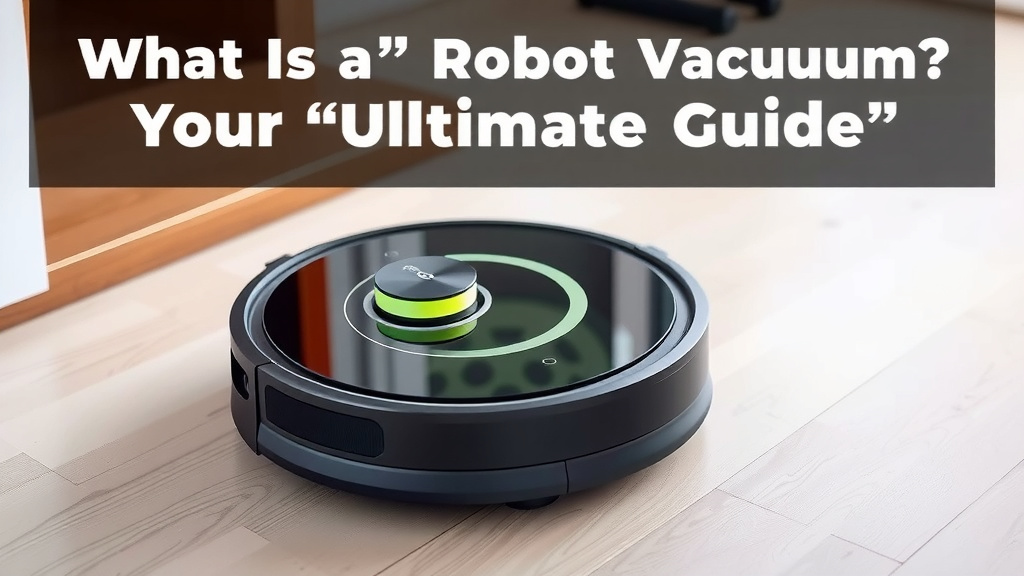
What Is a Robot Vacuum? Your Ultimate Guide
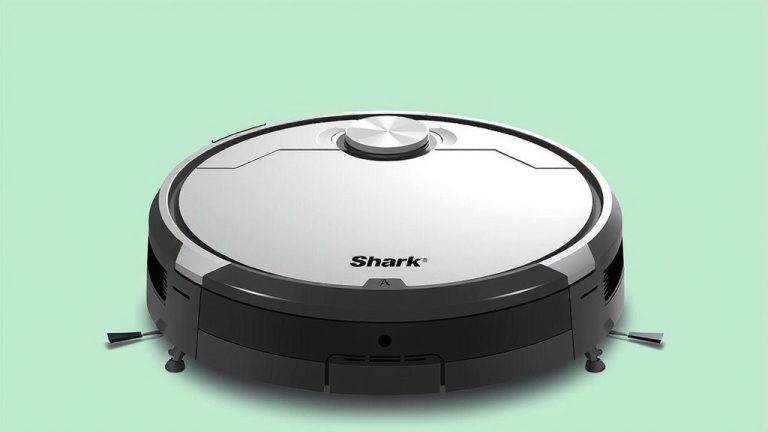
A robot vacuum is a smart, automated cleaning device that vacuums your floors for you. It uses sensors and navigation technology to move around your home, cleaning carpets and hard surfaces without your direct supervision. Think of it as your little cleaning helper that tidies up while you relax or focus on other tasks.
These autonomous cleaners have become incredibly popular for their convenience and ability to maintain a cleaner home with minimal effort. Many robot vacuums can be scheduled, controlled by an app, and even integrated with voice assistants. They are designed to tackle everyday dust and debris, making floor cleaning less of a chore for busy households. We found they can really help keep pet hair under control.
- Robot vacuums are automated floor cleaners.
- They use sensors and navigation They use sensors and navigation to clean on their own. to clean on their own.
- They offer convenience for busy people.
- Many can be scheduled and controlled remotely.
- They help maintain a cleaner home with less effort.
Ready to learn more about how these handy gadgets work and what they can do for your home? Let’s dive into the details of robot vacuums.
Understanding Your Automated Floor Cleaner
So, what exactly is this magical little disc cleaning your floors while you binge-watch your favorite show? A robot vacuum is essentially a small, autonomous cleaning device designed to vacuum your floors with minimal human intervention. It’s like having a tiny, diligent maid that patrols your house on its own schedule.
These machines are packed with smart technology. They use a variety of sensors and mapping systems to navigate your home. This allows them to detect obstacles, avoid stairs, and cover your floors efficiently. You can think of them as miniature, intelligent cleaning robots.
How Does a Robot Vacuum Work Its Magic?
You might be wondering how these little guys actually move around and clean. It’s a clever combination of hardware and software working together. Let’s break down the key components that make them tick.
Navigation and Mapping Technology
The brain of a robot vacuum is its navigation system. This is how it learns about your home and plans its cleaning routes. You’ll find different types of navigation technology out there.
Random Bouncing vs. Smart Navigation
Some older or more basic models use a sort of random bumping method. They just move in different directions until they hit something, then change course. While they do cover ground, it’s not always the most efficient. More advanced models use what we call systematic or smart navigation.
These smart vacuums often use cameras, lasers (LiDAR), or gyroscopes. They build a map of your home as they clean. This map helps them clean in neat, organized rows, ensuring they don’t miss spots and don’t waste battery life cleaning the same area twice. It’s like they have their own internal GPS for your living room!
Sensors for a Smarter Clean
Sensors are the robot vacuum’s eyes and ears. They play a critical role in its operation. Infrared sensors help them detect walls and furniture, allowing them to steer clear. Cliff sensors are essential for preventing those heart-stopping moments where your robot vacuum might tumble down the stairs. We found these cliff sensors to be incredibly reliable.
Some advanced models also have dirt detection sensors. These can sense areas where there’s more debris and will spend extra time cleaning those spots. It’s like the vacuum has a keen sense of where the dirt is hiding!
The Cleaning Mechanism
Once your robot vacuum has navigated its way around, it’s time for the actual cleaning. Most robot vacuums use a combination of brushes and suction to pick up dirt and debris.
You’ll typically find one or two main brushes on the underside. These spin to agitate dirt from carpets and sweep debris from hard floors into the vacuum’s path. Many models also have small side brushes that spin outwards. These are great for sweeping dirt from edges and corners into the main cleaning path.
The suction power then pulls the debris into a dustbin. This dustbin needs to be emptied regularly, though some high-end models come with self-emptying bases. It’s a small but important part of the process.
Your Robot Vacuum’s Smart Features
The convenience of robot vacuums goes beyond just automated cleaning. They come with a host of smart features that make managing your home even easier.
App Control and Scheduling
Most modern robot vacuums can be controlled via a smartphone app. This is where the real magic happens for busy people. You can typically schedule cleanings for specific days and times. Imagine waking up to clean floors every morning without lifting a finger!
Through the app, you can also often start, stop, or pause the vacuum remotely. Did you forget to run it before guests arrive? No problem. Just open the app and send your little helper on its way. We found this remote control feature to be a lifesaver.
Voice Assistant Integration
For those who love their smart home gadgets, many robot vacuums integrate with voice assistants like Amazon Alexa or Google Assistant. You can simply say, “Hey Google, tell the robot vacuum to start cleaning,” and off it goes. It adds another layer of effortless control.
Virtual No-Go Zones and Room Mapping
With advanced mapping technology, you can often use the app to set up virtual boundaries. This is incredibly useful for areas you don’t want the robot to go, like around pet food bowls or delicate plant areas. Some models allow you to name rooms on the map, so you can tell the vacuum to clean just the kitchen or the living room.
Who Can Benefit Most from a Robot Vacuum?
While anyone can enjoy the benefits of a robot vacuum, some groups find them particularly life-changing. If any of these sound like you, a robot vacuum might be your next favorite home appliance.
Busy Professionals and Families
Let’s be honest, who has the time for daily floor cleaning? If your schedule is packed with work, school runs, and extracurricular activities, a robot vacuum can be a huge time-saver. It keeps your floors tidy between deeper cleans, reducing your overall chore load. Many working parents we spoke with said it helped them feel more in control of household tasks.
Pet Owners
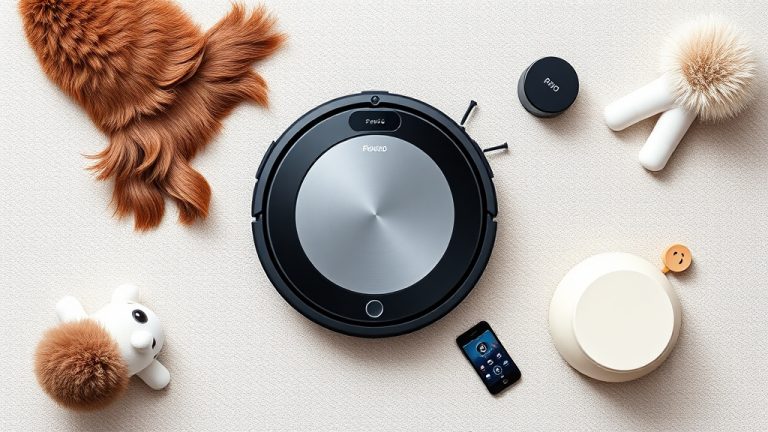
This is a big one! Pet hair can accumulate incredibly fast. Robot vacuums are fantastic for daily maintenance of pet hair and dander. Running one regularly can significantly cut down on the amount of fur clinging to your carpets and furniture. We found they can really help keep pet hair under control, making your home feel fresher.
People with Mobility Issues
For individuals who have difficulty with traditional vacuuming due to age, injury, or disability, robot vacuums offer a way to maintain a cleaner home independently. They reduce the physical strain associated with pushing a heavy vacuum. This can be a major boost to **home independence and comfort**.
Anyone Seeking More Free Time
Ultimately, if you’d rather spend your free time doing things you enjoy rather than vacuuming, a robot vacuum is for you. It’s about reclaiming your time and reducing the mental load of household chores. Think of the extra hour you’ll have each week to read, exercise, or just relax!
Robot Vacuum Checklist: Key Features to Consider
Ready to find the perfect robot vacuum for your needs? Here’s a quick checklist of things to look for:
- Navigation System: Does it use smart mapping for efficient cleaning?
- App Control: Can you schedule and control it remotely?
- Battery Life: Is it sufficient for your home size?
- Suction Power: Is it strong enough for your floor types and debris?
- Special Features: Do you need self-emptying, mopping capabilities, or specific boundary settings?
- Maintenance: How easy is it to clean the brushes and empty the dustbin?
Conclusion
You’ve learned that a robot vacuum is more than just a novelty; it’s a smart helper for your home. These automated devices use sensors and clever navigation to clean your floors efficiently. They offer convenience through app control, scheduling, and voice commands, making life easier for busy households, pet owners, and those seeking more free time. By understanding their technology and features, you can choose the right robot vacuum to keep your home consistently cleaner with minimal effort. Take the next step and research models that fit your budget and cleaning needs, and start enjoying your reclaimed time!
Frequently Asked Questions
How do robot vacuums avoid getting stuck?
Robot vacuums use a variety of sensors, like infrared and cliff sensors, to detect walls, furniture, and stairs. Smart navigation systems also help them map your home and plan routes to avoid obstacles. We found these sensors are usually quite reliable in preventing them from getting stuck or falling down stairs.
Can a robot vacuum really replace my traditional vacuum?
For daily or routine cleaning, a robot vacuum can significantly reduce your need for a traditional vacuum. They excel at picking up dust, pet hair, and everyday debris. However, for deep cleaning carpets or tackling large messes, you might still need your upright or canister vacuum.
How often should I run my robot vacuum?
Most people find running their robot vacuum daily or every other day works best, especially if they have pets or high-traffic areas. Scheduling it to clean while you’re out or asleep ensures your floors stay tidy without you noticing the cleaning process.
Do robot vacuums work on all floor types?
Yes, most robot vacuums are designed to clean a variety of floor surfaces, including hardwood, tile, laminate, and low-to-medium pile carpets. Their brushes and suction power adapt to different textures to pick up debris effectively.
What maintenance do robot vacuums require?
Robot vacuums require some regular maintenance to keep them running smoothly. You’ll need to empty the dustbin, clean the brushes to remove tangled hair, and occasionally wipe down the sensors. This usually takes just a few minutes each week.