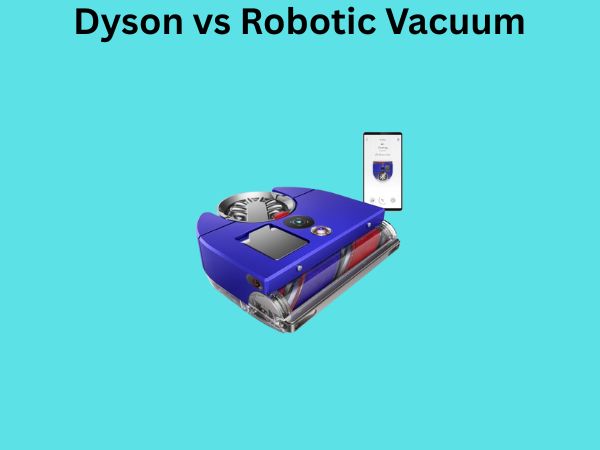
Dyson vs Robotic Vacuum: Which One Is Right for Your Cleaning Style?
When it comes to keeping your home spotless, you’ve probably found yourself standing in the cleaning aisle, staring at two very different solutions: a powerful Dyson cordless vacuum or a sleek robotic vacuum that does the work while you relax. It’s like choosing between hiring a personal trainer versus getting a gym membership—both can get you fit, but they work in completely different ways.
The question isn’t really about which one is better overall. Instead, it’s about understanding your lifestyle, your home layout, and your cleaning priorities. Let me walk you through this decision-making journey with you.
Understanding Your Cleaning Needs: The Foundation of Your Decision
Before we dive into comparing these two powerhouses, we need to talk about what matters most in your daily routine. Think about your home for a moment. Do you have thick carpets that trap pet hair like a magnet? Are your floors mostly hardwood and tile? How many stairs do you have? These details aren’t trivial—they’re the backbone of choosing the right cleaning solution.
What Does Your Home Look Like?
Your home’s layout plays a crucial role in this decision. If you live in a multi-story house with lots of stairs, you’re already leaning toward a traditional vacuum like Dyson. Robotic vacuums can’t climb stairs, and that’s just the reality we need to accept. On the flip side, if you have an open-concept apartment or a single-floor home with minimal obstacles, a robotic vacuum might be your perfect match.
Consider your floor types too. Do you have area rugs scattered throughout? High-pile carpeting in the bedrooms? These factors influence how well each option will perform in your specific environment.
How Much Time Do You Actually Have?
Let’s be honest—nobody wants to spend hours vacuuming. But the amount of time you’re willing to invest differs from person to person. Some people find vacuuming meditative and satisfying, while others would rather do almost anything else. Where do you fall on that spectrum?
The Dyson Advantage: Power Meets Portability
Dyson has built its reputation on one simple promise: powerful suction that doesn’t quit. When you pick up a Dyson cordless vacuum, you’re holding years of engineering and innovation in your hands. But what exactly makes them special, and is that specialness worth the investment?
Unmatched Suction Power and Performance
Here’s the thing about Dyson vacuums—they don’t mess around when it comes to suction. Whether you’re dealing with stubborn pet hair, ground-in dirt, or debris embedded in your carpet, a Dyson tackles it with aggressive efficiency. The digital motor spins at incredibly high speeds, creating suction that traditional vacuums sometimes struggle to match.
If you have pets that shed like it’s their job, or kids who seem to track in dirt from every corner of the neighborhood, Dyson’s suction power becomes less of a luxury and more of a necessity. It actually removes the debris instead of just pushing it around.
Versatility Across Different Surfaces
One of Dyson’s biggest strengths is adaptability. You get the main unit, yes, but you also get multiple attachments and features:
- Motorized brush heads for carpets
- Hard floor attachments that won’t scratch your surfaces
- Crevice tools for tight spaces and corners
- Upholstery brushes for furniture and stairs
- Anti-tangle technology for hair management
This versatility means you’re not limited to just floors. You can vacuum your couch, clean your car, tackle those dusty ceiling corners, and handle your stairs without breaking a sweat or needing multiple devices.
The Convenience Factor of Cordless Freedom
Remember when vacuums were tethered to outlets like pets on a leash? Cordless vacuums changed everything. A Dyson cordless model gives you the freedom to move around your home without that annoying cord getting tangled or limiting your reach. You can quickly vacuum a spill without setting up, grab it for the stairs without planning your route around electrical outlets, and clean your car whenever you want.
Battery Life and Performance Consistency
Now, here’s where we need to be realistic. Dyson cordless vacuums typically last between 60 to 120 minutes per charge, depending on the model and which power setting you use. If you’re in full power mode, you might get closer to 45 minutes. That’s usually enough for most homes, but if you live in a large mansion or have a multi-story property, you might need to plan your cleaning strategically.
The Robotic Vacuum Revolution: Set It and Forget It
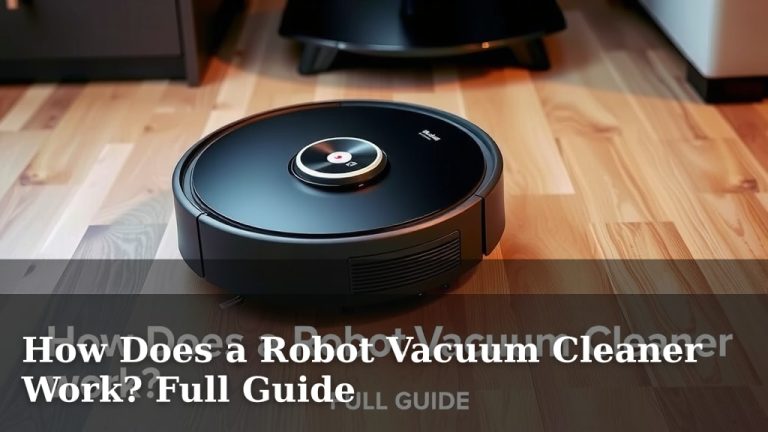
Now let’s talk about the robotic vacuum—that little disc-shaped device that feels like you’ve finally hired a cleaning fairy for your home. While robotic vacuums have come a long way, they operate on a completely different philosophy than traditional vacuums.
Automation and Time-Saving Technology
The biggest appeal of a robotic vacuum is genuinely revolutionary: it cleans while you sleep, work, or spend time with your family. You don’t have to lift a finger. Schedule it to run at specific times, and boom—your floors get cleaned on autopilot. For people with busy lifestyles or chronic pain that makes traditional vacuuming difficult, this is genuinely life-changing.
Imagine waking up to already-clean floors, or coming home from work to a dust-free living room. That’s not magic; that’s just the reality of modern robotic vacuum technology.
Smart Features and Connectivity
Modern robotic vacuums come loaded with features that would’ve seemed like science fiction a decade ago:
- WiFi connectivity and smartphone app control
- Voice control integration with Alexa or Google Home
- Mapping technology that creates floor plans
- No-go zones you can set to restrict certain areas
- Automatic charging and docking stations
- Real-time notifications and scheduling flexibility
These features make robotic vacuums incredibly convenient for the modern household that values connectivity and automation.
Continuous Maintenance Without Physical Effort
Since your robotic vacuum runs regularly, often daily, your home stays continuously maintained rather than experiencing the feast-or-famine cycle of traditional vacuuming. You get consistent cleanliness without putting in physical effort. That appeals to people with mobility issues, elderly individuals, or anyone who simply wants less physical strain in their cleaning routine.
Quieter Operation for Peace of Mind
Robotic vacuums are significantly quieter than traditional vacuums. You can run them while watching TV, and guests won’t think you’re running a construction crew. This makes them perfect for small apartments, homes with light sleepers, or situations where noise is a concern.
Where Robotic Vacuums Fall Short
Now, I don’t want to mislead you. Robotic vacuums are fantastic, but they’re not magical unicorns that solve every cleaning problem. They have real limitations that matter depending on your situation.
Stair Climbing Impossibility
This is the elephant in the room. Robotic vacuums cannot climb stairs. Period. If you have a multi-story home, a robotic vacuum can only handle one floor at a time. You’d either need multiple units for multiple floors or accept that they only work for certain areas of your home.
Reduced Suction Power
Here’s the honest truth: robotic vacuums don’t pull dirt out of carpets with the same aggressive force as a Dyson. They’re fine for maintenance cleaning and picking up surface debris, but if you have thick carpets with embedded dirt or serious pet hair issues, you’ll probably notice the difference. They work more gently, which is actually their design—they’re not trying to deep clean carpets; they’re maintaining cleanliness.
Navigation Challenges and Getting Stuck
While navigation technology has improved dramatically, robotic vacuums still occasionally get confused or stuck. They might get tangled in cords, struggle with dark rugs that confuse their sensors, or waste time navigating around obstacles. Sometimes you’ll check on your “automated cleaning” only to find it stuck under a table or in a corner.
Higher Maintenance Requirements Than Expected
You still need to empty the dustbin regularly, replace filters, untangle hair from the brushes, and keep the sensors clean. Plus, you need to prepare your floor by removing small obstacles and cords. It’s not as hands-off as people sometimes imagine.
Where Dyson Vacuums Fall Short
For fairness, let’s acknowledge Dyson’s limitations too. They’re not perfect solutions for everyone.
The Physical Effort Factor
You have to use it yourself. That means holding the weight, pushing it around, and putting in physical effort. For people with arthritis, back problems, or limited mobility, this is a genuine barrier. Some Dyson models are lighter than others, but even lightweight vacuums require active participation.
Battery Limitation and Charging Time
Unless you enjoy vacuuming in two shifts, battery life is a constraint. If your home is particularly large, you might need extended battery time that some models don’t offer. Plus, charging takes time—usually 3 to 5 hours for a full charge.
The Price Point Reality
Quality Dyson models aren’t cheap. You’re looking at an investment anywhere from 300 to 750 dollars depending on the model and features. That’s a significant expenditure upfront, even if the quality justifies the cost.
Cost Comparison: Your Budget Matters
Initial Investment Analysis
Dyson cordless vacuums typically range from 300 to 750 dollars depending on features and model. A quality robotic vacuum might cost anywhere from 200 to 1000 dollars, with excellent mid-range options around 400 to 600 dollars. The entry-level robotic vacuums are cheaper, but you often get what you pay for in terms of navigation and suction power.
Long-Term Operating Costs
Here’s what people often overlook: ongoing costs. Dyson vacuums need replacement filters, occasional brush head replacements, and potentially battery replacements down the road. Robotic vacuums need filters, brushes, and sometimes dustbin replacements. When you factor in maintenance over five years, the costs become more comparable than the initial price tags suggest.
Real-World Scenarios: Which Vacuum Wins?
Scenario One: The Pet Owner with Multiple Floors
If you have dogs or cats shedding everywhere, and your home has multiple stories, a Dyson is your answer. The suction power tackles pet hair aggressively, and you can move between floors easily. A robotic vacuum simply can’t handle multiple levels, and it won’t pull embedded pet hair from carpets as effectively.
Scenario Two: The Busy Professional with a Small Apartment
You’re working long hours, have minimal floor space, no stairs, and hardwood or tile floors. A robotic vacuum is perfect. It keeps your apartment consistently clean without requiring your active participation. You literally schedule it and forget about it.
Scenario Three: The Household with Mobility Challenges
If someone in your home has difficulty with physical exertion, a robotic vacuum removes that burden. While it won’t deep clean like a Dyson, the consistent maintenance cleaning without physical effort is invaluable for quality of life.
Scenario Four: The Perfectionist Who Wants Everything
Honestly? Some people benefit from having both. Use the robotic vacuum for daily maintenance cleaning, and bring out the Dyson weekly for thorough cleaning, stairs, and deep carpets. It’s not mutually exclusive.
Making Your Final Decision: The Checklist
To determine which option suits you best, ask yourself these honest questions:
- Do you have multiple stories or levels in your home?
- How much pet hair do you deal with regularly?
- What’s your physical capacity for vacuuming?
- How much time can you dedicate to cleaning?
- What’s your realistic budget, including future maintenance?
- How important is daily convenience versus thorough cleaning?
- Do you have pets or kids that create frequent messes?
- Are you bothered by noise levels?
- How large is your home?
- What types of flooring do you have throughout your home?
Conclusion
The battle between Dyson and robotic vacuums isn’t really about which one is objectively better—it’s about which one aligns with your specific life circumstances. Dyson excels at power, versatility, and handling challenging cleaning situations like pet hair, stairs, and deep carpets. Robotic vacuums excel at convenience, automation, and continuous maintenance without physical effort.
If you live in a single-floor home with minimal challenges and value your time, a robotic vacuum will revolutionize your cleaning routine. If you have multiple floors, thick carpets, significant pet hair, or want thorough deep cleaning, Dyson’s raw power and versatility make it the superior choice.
The perfect vacuum isn’t about prestige or marketing hype—it’s about matching your cleaning challenges with the tool that solves them most effectively for your unique situation. Take time to honestly assess your home and lifestyle, then choose accordingly. Your cleanliness goals will thank you.
Frequently Asked Questions
Can a robotic vacuum work on stairs?
No, robotic vacuums cannot climb stairs. They’re designed to operate on single floors. If you have a multi-story home, you would need a traditional vacuum like Dyson for stairs, or you’d need to purchase multiple robotic units for different levels. This is one of the most significant limitations of robotic vacuums that you need to consider before purchasing.
How long does a Dyson battery last in real-world conditions?
Most Dyson cordless vacuums last between 45 to 120 minutes depending on which power setting you use. On full power mode, you might get 45 to 60 minutes of cleaning time. On lower power settings, you can stretch it to 90 to 120 minutes. For most average homes, this is sufficient for a complete cleaning session, but large homes might require strategic planning or access to additional batteries.
Are robotic vacuums worth it for pet hair?
Robotic vacuums handle light pet hair and surface shedding reasonably well, but they’re not ideal for heavy pet shedding situations. They won’t pull hair out of deep carpet fibers as effectively as a traditional vacuum. If you have multiple pets or breeds that shed heavily, a Dyson or similar powerful traditional vacuum would be more effective. Robotic vacuums work better as supplementary cleaning for light maintenance.
How much maintenance do robotic vacuums actually require?
Robotic vacuums require regular maintenance including emptying the dustbin after each run, cleaning the sensors weekly, untangling hair from brushes, replacing filters every few months, and occasionally removing obstacles from your floor before running them. You

![7 Best All In One Robot Vacuum [2026]](https://robotvacuumfact.com/wp-content/uploads/2026/06/7-best-all-in-one-robot-vacuum-2026-featured-768x432.jpg)