
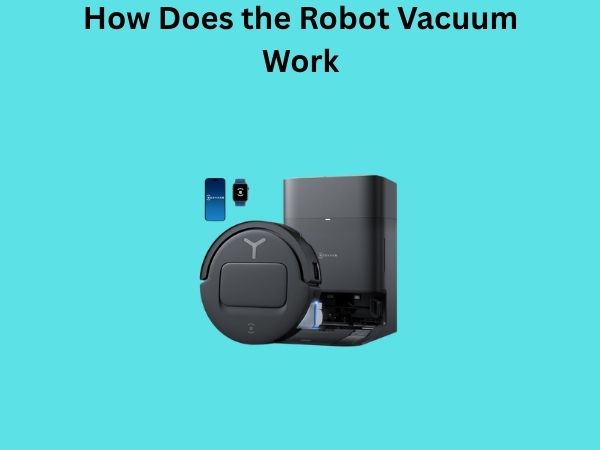
Understanding the Magic: How Does the Robot Vacuum Work?
Have you ever watched a robot vacuum glide across your living room floor and wondered what’s actually happening inside that little disc-shaped device? It’s like having a tiny cleaning assistant that never complains, never takes breaks, and somehow knows exactly where to go. The truth is, there’s quite a bit of sophisticated technology packed into these compact machines, and understanding how they work can help you appreciate just how revolutionary they are for modern home cleaning.
When you think about it, a robot vacuum is doing something that would have seemed impossible just two decades ago. It’s autonomously navigating your home, detecting obstacles, mapping out rooms, and making intelligent decisions about where to clean next. But how does it actually do all of this? Let’s dive deep into the mechanics and technology that make these devices tick.
The Basic Architecture of a Robot Vacuum
Before we get into the nitty-gritty of how everything works together, let’s talk about what we’re actually looking at when we see a robot vacuum. These machines are typically circular or D-shaped, and they’re designed to be low enough to fit under furniture. But it’s what’s inside that really matters.
The Main Components You Should Know About
A robot vacuum isn’t just one simple gadget. It’s a carefully orchestrated collection of different systems working in harmony. Think of it like a tiny orchestra where each instrument plays a crucial role in creating the perfect symphony of cleanliness.
- The motor and drive system that makes the wheels turn
- Sensors that help it understand its surroundings
- A battery that powers the entire operation
- Brushes and suction mechanisms for actual cleaning
- A dustbin to collect what it picks up
- A control board that acts like the vacuum’s brain
- Navigation systems that map your home
Each of these components is essential, and they all need to work together seamlessly for the vacuum to function properly. Without even one of them, the whole system falls apart.
How Does Navigation Actually Work?
This is probably the most fascinating aspect of robot vacuums, and it’s what separates the basic models from the premium ones. How does a machine without human intelligence know where to go and what areas it has already cleaned?
Sensor Technology: The Vacuum’s Eyes and Ears
Robot vacuums rely heavily on various sensors to understand the world around them. It’s almost like they have multiple senses, much like you do, except these senses are electronic rather than biological.
Infrared Sensors
Most robot vacuums use infrared sensors to detect obstacles. These sensors work by emitting infrared light and measuring how it bounces back. If an object is in the way, the light reflects back quickly, and the vacuum knows to avoid that area or change direction. It’s the same basic principle that your TV remote uses, just applied in a different way.
Cliff Detection Sensors
Have you ever worried about your robot vacuum tumbling down a staircase? That’s where cliff detection sensors come in. These sensors look downward and detect sudden drops in elevation. When they sense that the floor is about to disappear, they trigger the vacuum to reverse and find another route. It’s like having a tiny safety guardian making sure your vacuum doesn’t go where it shouldn’t.
Bump Sensors
When infrared sensors miss something, the bumpers act as a backup plan. These mechanical switches run along the front of the vacuum, and if the machine physically contacts an object, it triggers the vacuum to back up and change direction. It’s the electronic equivalent of feeling your way around a dark room by touching the walls.
Mapping and Localization Systems
The newer generation of robot vacuums goes beyond simple obstacle avoidance. They actually create a map of your home and plan the most efficient cleaning route. There are two main technologies responsible for this:
LIDAR Technology
LIDAR stands for Light Detection and Ranging, and it’s the same technology that self-driving cars use. The vacuum emits laser beams in all directions and measures how long it takes for them to bounce back. This allows it to create a detailed 3D map of your environment with incredible accuracy. It’s like echolocation, but with lasers instead of sound. The precision of LIDAR is remarkable – it can detect objects as small as a few millimeters and create a complete floor plan of your home in just one cleaning cycle.
Camera-Based Navigation
Some robot vacuums use cameras to navigate, particularly for visual mapping and intelligent pathfinding. These cameras take images of your home and use computer vision algorithms to understand the layout and identify specific rooms. This technology is improving rapidly, and some vacuums can now recognize specific furniture and room types.
Gyroscope and Accelerometer
Inside every robot vacuum is a gyroscope that measures rotation and an accelerometer that measures movement. These sensors work together to track the vacuum’s position and orientation as it moves through your home. It’s similar to how your smartphone knows which way it’s tilted. By combining this data with the information from LIDAR or cameras, the vacuum can always know exactly where it is and where it has already cleaned.
The Cleaning Mechanism: How It Actually Picks Up Dirt
All of the navigation technology in the world won’t help if the vacuum can’t actually clean your floors. So how does the cleaning part work?
The Brush System
Most robot vacuums have two types of brushes. The main rotating brush, usually located at the bottom of the vacuum, agitates the carpet and loosens dirt particles. This works similarly to traditional upright vacuums – the brush spins rapidly and literally beats the dirt out of your carpet fibers. Meanwhile, a side brush that extends from the edge of the vacuum sweeps debris from corners and edges toward the main suction area.
The main brush is typically made of bristles, though some models use rubber rollers instead. Rubber rollers have become increasingly popular because they work better on both carpet and hard floors, whereas bristle brushes can sometimes struggle with hard surfaces.
Suction Power: The Heart of Cleaning
Once the brushes have loosened the dirt, the suction system needs to pull it into the dustbin. Robot vacuums use electric motors to create suction, and the strength of this suction varies significantly between models. Entry-level vacuums might have suction power rated at around 1000 PA (Pascals), while premium models can exceed 4000 PA. For reference, a standard household vacuum cleaner typically has about 20 kPa of suction, which is 20,000 PA, so robot vacuums are generally less powerful but make up for it through efficiency and frequency of cleaning.
The Dustbin and Filter System
As the vacuum picks up dirt, it deposits everything into a dustbin. Most dustbins are small – typically between 300 and 600 milliliters – because robot vacuums are meant to clean frequently rather than handle large cleaning jobs at once. The air that’s drawn through needs to be filtered so it doesn’t escape back into your home as polluted air. Most robot vacuums use HEPA filters or similar filtration systems to trap fine particles.
Power and Battery Management
A robot vacuum isn’t useful if it runs out of power halfway through cleaning your home. So manufacturers have had to get creative with battery technology and power management.
Battery Technology
Most modern robot vacuums use lithium-ion batteries, the same type found in your smartphone or laptop. These batteries offer good energy density, meaning they can hold a lot of power in a relatively small space. A typical robot vacuum battery might be around 2500 to 5200 mAh, which might not sound like much compared to a phone battery, but remember that robot vacuums don’t need to power a screen, processor, and connectivity hardware like a phone does.
Runtime and Coverage
Depending on the model and the size of your home, a robot vacuum might run for anywhere from 60 to 150 minutes on a single charge. Most models are programmed to clean in a way that maximizes coverage before the battery depletes. Some advanced models will actually return to their charging dock when the battery gets low, and then resume cleaning from where they left off once they’ve recharged.
Smart Charging Systems
The charging dock isn’t just a simple plug-in station. Modern docks are quite intelligent. They use magnetic or mechanical alignment systems to perfectly position the vacuum for charging, and they communicate with the vacuum’s brain to coordinate charging schedules. Some models can be programmed to charge during off-peak electricity hours, and others can learn your cleaning patterns and prepare accordingly.
The Intelligent Brain: Processing and Decision Making
All of the sensors and components we’ve discussed so far would be useless without something to coordinate them and make decisions. That’s where the vacuum’s control board comes in.
Pathfinding Algorithms
The processor inside your robot vacuum is constantly running algorithms that determine the most efficient cleaning path. These aren’t simple back-and-forth patterns – they’re sophisticated mathematical calculations. The vacuum considers factors like room size, furniture placement, battery level, and areas that haven’t been cleaned yet. It then calculates the most efficient route, much like a GPS system would calculate the fastest route to your destination.
Different manufacturers use different algorithms. Some use a simple random bounce pattern where the vacuum cleans until it hits something, then changes direction. Others use more sophisticated grid-based patterns that systematically cover the entire floor area. The most advanced models use room mapping to create what’s called a “snake pattern,” where the vacuum methodically covers the floor like someone mowing a lawn.
Real-Time Decision Making
As the vacuum cleans, it’s constantly receiving sensor data and making real-time decisions. If it detects that an area is particularly dirty, some advanced models can slow down or spend more time there. If it encounters unexpected obstacles, it recalculates its route on the fly. If the battery reaches a critical level, it knows to head back to the charging dock.
Connectivity and Smart Home Integration
Many modern robot vacuums are connected devices that integrate with your smartphone and smart home ecosystem.
WiFi and App Control
Most contemporary robot vacuums connect to your home WiFi network, allowing you to control them remotely through a smartphone app. You can start cleaning, schedule cleaning sessions, and view the map of your home from anywhere. Some apps even let you set up no-go zones or restricted areas that the vacuum won’t enter.
Voice Assistant Integration
If you have an Alexa, Google Home, or Siri device, you can integrate your robot vacuum with it. This means you can literally just say “Alexa, start the robot vacuum” and it’ll spring to life. It’s a small convenience, but it’s the kind of thing that makes smart home living feel a bit more magical.
Different Cleaning Patterns and Strategies
Not all robot vacuums clean the same way. There are several different approaches manufacturers take to optimize cleaning performance.
Random Navigation
Entry-level robot vacuums often use random navigation patterns. They simply move forward until they hit something, then bounce off and change direction. While this seems inefficient, it actually works surprisingly well over extended periods because the randomness ensures that all areas eventually get covered.
Systematic Grid Cleaning
More advanced models use systematic patterns. They map the room and then clean in a grid pattern, ensuring every square inch is covered at least once. This is more efficient than random navigation and typically results in better cleaning with less battery consumption.
Zone Cleaning and Multi-Room Navigation
Premium models can identify different rooms and prioritize them. You might tell your vacuum to focus on the living room on Mondays and the bedroom on Tuesdays. These models can store multiple floor maps and navigate between different levels of your home if you have them connected with the same WiFi network.
Obstacle Avoidance: More Than Just Bumpers
We touched on basic obstacle detection earlier, but let’s dive deeper into how modern robot vacuums avoid getting stuck or damaged.
Predictive Obstacle Detection
Rather than waiting to bump into something, the best robot vacuums use their sensors to predict where obstacles are and plan routes around them before they get close. This is much more efficient and reduces wear on the motors and bumpers.
Carpet and Hard Floor Detection
Some advanced models can actually detect whether they’re on carpet or hard flooring and adjust their brush speed and suction accordingly. Hard floors might benefit from lower brush speeds to avoid scattering debris, while carpet needs more aggressive brush action to lift dirt from the fibers.
Pet and Cord Recognition
The latest models with camera-based vision systems can actually recognize pet waste and avoid it, preventing the horror scenario of your vacuum spreading something unpleasant all over your home. They can also identify cables and cords and plan routes around them.
Maintenance: Keeping Your Robot Vacuum Running Smoothly
While robot vacuums are quite autonomous, they still need some basic maintenance to function optimally.
Regular Cleaning and Filter Changes
The dustbin needs to be emptied regularly, and the filters need to be cleaned or replaced periodically. A clogged filter will reduce suction power significantly. Most manufacturers recommend checking and cleaning the filter once a week and replacing it every few months, depending on usage.
Brush Maintenance
Hair and debris can wrap around the main brush, reducing its effectiveness. You should manually clean the brush monthly or whenever you notice it’s wrapped up. Rubber rollers are generally easier to maintain than bristle brushes because debris doesn’t wrap around them as easily.
Sensor Cleaning
Dust can accumulate on the sensors, reducing their effectiveness. Wiping them down with a soft cloth occasionally will keep your vacuum functioning at peak performance.
Advanced Features in High-End Models
If you’re willing to spend more, there are some pretty amazing features available in premium robot vacuums.
Self-Emptying Dustbins
Some models come with a dock that can automatically empty the vacuum’s dustbin into a larger container. This means you might only need to empty the main container once every month or more, rather than after each cleaning session.
Mopping Capabilities
A growing number of robot vacuums now include mopping functions. They have a water tank and a mopping pad that can clean hard floors. Some models can even switch between vacuuming and mopping, or do both simultaneously.
Hot Water Washing
The most advanced models can heat water for the mopping function, providing more effective cleaning. Some even have the ability to wash and dry their own mopping pads automatically.
The Limitations You Should Be Aware Of
While robot vacuums are impressive, they’re not perfect. Understanding their limitations will help you decide if one is right for your home.
Robot vacuums struggle with stairs because they can’t climb them. They’re also not great at cleaning large debris or very thick carpets. They can get stuck on thick carpet fringes, under furniture with low clearance, or in cluttered rooms with lots of cables. Pet owners sometimes report that their vacuums get clogged with pet hair, particularly if they have long-haired pets.
Additionally, they’re not as powerful as traditional
![7 Best Robot Vacuum Wet And Dry [2026]](https://robotvacuumfact.com/wp-content/uploads/2026/09/7-best-robot-vacuum-wet-and-dry-2026-featured-768x432.jpg)
![7 Best Entry Level Robot Vacuum [2026]](https://robotvacuumfact.com/wp-content/uploads/2026/08/7-best-entry-level-robot-vacuum-2026-featured-768x432.jpg)