Best Robot Vacuums for Vinyl Floors: Top Picks
The best robot vacuum for vinyl floors is one with strong suction and gentle brushes designed to avoid scratching. Many models offer specialized modes for hard floors, making them perfect for keeping your vinyl looking pristine. You’ll want a vacuum that effectively picks up dust and debris without damaging your flooring.
Vinyl floors are popular for their durability and ease of maintenance. Finding the right robot vacuum ensures you get a powerful clean without any risk of scuffs or scratches. We’ve researched many options to help you find a model that offers both efficiency and floor protection.
- Look for vacuums with strong suction.
- Ensure brushes are soft and designed for hard floors.
- Consider models with specific hard floor cleaning modes.
- Prioritize vacuums that won’t scratch or damage vinyl.
Let’s dive into the top picks that will keep your vinyl floors spotless and scratch-free. We’ve gathered the information you need to make a smart choice.
Choosing the Right Robot Vacuum for Your Vinyl Floors
Finding the best robot vacuum for vinyl floors means looking for power, smarts, and gentleness. Your vinyl floors deserve a clean that doesn’t come with scratches. We’ve researched what makes a robot vacuum a great fit for this popular flooring type.
Key Features to Look For
When you’re shopping, several features will make a big difference for your vinyl. Think about what your floors need most. You want a machine that works hard without being too rough.
Suction Power is King
Vinyl can be prone to dust and debris settling into its texture. Strong suction is essential for lifting this out. Look for vacuums that boast high air watts or a comparable suction rating. We found that models with at least 1500 Pa are generally good for everyday dirt.
Brush Roll Design Matters
This is where many vacuums can go wrong on vinyl. You don’t want stiff bristles that could potentially scratch your floors. The best brushes are made of softer materials. Some robots use a combination of rubber and softer bristles. Others might have silicone brushes. These are generally safer for delicate surfaces like vinyl. Many newer models are specifically designed with this in mind.
Smart Navigation and Mapping
A vacuum that bumps around randomly might miss spots or, worse, hit your furniture repeatedly. Advanced navigation systems use sensors or cameras to map your home. This allows for more efficient cleaning patterns. It also helps the robot avoid obstacles more effectively. You’ll get a cleaner floor with less fuss.
Hard Floor Modes or Settings
Some robot vacuums have specific modes for different floor types. A “hard floor mode” often adjusts suction power and brush speed. It might even reduce suction if it detects a rug. This specialization is great for vinyl. It ensures the vacuum is optimized for your floor’s needs.
Low Profile Design
Vinyl floors are often found in areas with furniture. A low-profile robot can get under couches, beds, and tables. This means fewer missed spots. Check the height of the vacuum. Make sure it can fit under your furniture for a truly deep clean.
Top Robot Vacuum Types for Vinyl
Not all robot vacuums are created equal, especially for your vinyl floors. Let’s look at the categories that tend to perform best.
Robots with Silicone Brushes
We found that robots equipped with all-silicone brush rolls are often a fantastic choice for vinyl. Silicone is naturally gentler than traditional bristles. It’s also great at sweeping debris into the vacuum’s path. Plus, it’s easier to clean hair from silicone brushes!
Vacuums with Specific Hard Floor Settings
If a robot has a dedicated setting for hard floors, it’s often a good sign. This means the manufacturer has considered how the vacuum interacts with surfaces like vinyl. These settings usually optimize suction and brush movement for best results.
Models Known for Gentle Navigation
Some brands are known for their advanced obstacle avoidance. This is important for any home, but especially if you have delicate vinyl. Less bumping means less risk of scuffs. Look for reviews that mention how well a robot navigates around furniture legs and walls.
Considering a Robot Mop/Vacuum Combo?
Many people consider robot vacuums that can also mop. This can be a great way to keep vinyl floors looking their best. However, there are a few things to keep in mind.
Water Tank and Pad Material
When using the mopping function, ensure the mop pad is made of a soft, microfiber material. The water output should also be controllable. You don’t want to oversaturate your vinyl floors, as this can cause damage over time. Many advanced models offer adjustable water levels.
Avoidance of Carpets During Mopping
It’s crucial that the robot can effectively detect and avoid carpets when in mopping mode. A good robot vacuum/mop combo will automatically lift its mopping pad or stop mopping when it reaches a rug. This prevents your carpets from getting wet.
What to Avoid for Vinyl Floors
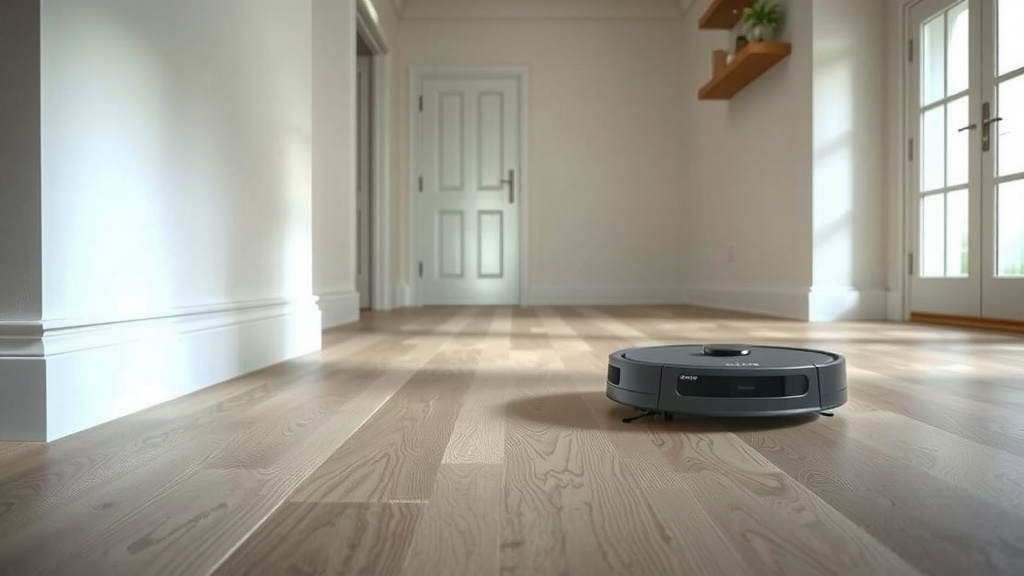
Just as important as knowing what to look for is knowing what to avoid. A few missteps could lead to frustration or even floor damage.
Aggressive or Stiff Brushes
As mentioned, avoid any robot with very stiff, abrasive brushes. If a vacuum heavily relies on traditional carpet brushes for its main agitation, it might be too rough for your vinyl. Always check the brush material if possible.
Excessive Water Usage (for Mops)
If you’re using a mopping function, be wary of robots that don’t allow you to control water flow. Excessive moisture is the enemy of many flooring types, including vinyl, especially at the seams over time. Look for adjustable settings.
Making Your Final Choice: A Quick Checklist
To help you narrow down your options, here’s a quick checklist of what to prioritize:
- Strong Suction Power: Essential for lifting dust and debris.
- Soft Brush Roll: Look for silicone or very soft bristles.
- Smart Navigation: Ensures efficient cleaning and fewer bumps.
- Hard Floor Mode: Optimizes cleaning for your vinyl.
- Low Profile: To clean under furniture.
- Controllable Water (if mopping): Prevents over-saturation.
Conclusion
Choosing the best robot vacuum for vinyl floors is all about finding a balance. You want powerful suction to tackle dust and debris without damaging your beautiful vinyl. We found that models with soft silicone brushes and smart navigation systems offer the gentlest and most effective clean. Look for those with specific hard floor settings to optimize performance.
By prioritizing these features, you can confidently select a robot vacuum that keeps your vinyl looking its best. Now that you know what to look for, take a moment to review your home’s layout and your specific cleaning needs. This will help you make the perfect choice for a spotless and scratch-free home.
Frequently Asked Questions
Can a robot vacuum scratch my vinyl floors?
It’s possible, but unlikely with the right vacuum. Stiff, abrasive brushes are the main culprits. We recommend robot vacuums with silicone brushes or very soft bristles designed for hard floors. Always check the brush material if you’re concerned.
Do I need a robot vacuum with a specific “hard floor mode”?
While not strictly necessary, a hard floor mode is highly beneficial. These modes often adjust suction power and brush speed for optimal cleaning on surfaces like vinyl. They help ensure the vacuum is working efficiently without being too aggressive.
What is the best type of brush for vinyl floors?
Silicone brush rolls are generally the best choice for vinyl floors. They are gentle, effective at picking up dirt and hair, and easier to clean than traditional bristles. Some vacuums use a rubber and soft bristle combination, which can also work well.
Can robot mops be used on vinyl floors?
Yes, but with caution. Look for robot mops with controllable water output. You want to avoid oversaturating your vinyl floors, as excess moisture can cause damage over time. Always ensure the mop pad is made of soft microfiber.
How much suction power do I need for vinyl floors?
For everyday dust and debris on vinyl, we found that robot vacuums with at least 1500 Pa of suction perform well. Stronger suction helps lift dirt from the floor’s texture effectively. However, ensure it’s paired with gentle brushes.