Top Self Emptying Robot Vacuums: Your Guide
Finding the best self-emptying robot vacuum depends on your specific needs and budget, but models like the iRobot Roomba s9+ are frequently top-rated for their powerful suction and smart features. These vacuums offer a hands-free cleaning experience by automatically emptying their dustbins into a larger base. You’ll want to consider suction power, navigation technology, and battery life for your home.
When searching for the perfect auto-empty robot, remember that not all are created equal. Some excel at picking up pet hair, while others boast advanced mapping for efficient cleaning routes. Many homeowners find that a self-emptying model significantly reduces their cleaning chores. We’ve researched many options to help you decide.
- Self-emptying robot vacuums offer convenience.
- Look for strong suction for your floor types.
- Smart mapping improves cleaning efficiency.
- Pet hair removal is a key feature for many.
- Consider your budget and desired features.
Let’s dive into the details and help you find the best self-emptying robot vacuum for your home. We’ll cover what makes them stand out and which ones our research points to as excellent choices.
Finding Your Top Self-Emptying Robot Vacuum
So, you’re curious about the best self-emptying robot vacuum? You’ve come to the right place! These clever machines are designed to take the chore out of vacuuming. They clean your floors and then, like magic, empty themselves. This means you can enjoy a cleaner home with even less effort. We’ve looked at many models to help you pick one that fits your life and home.
Why Choose a Self-Emptying Robot Vacuum?
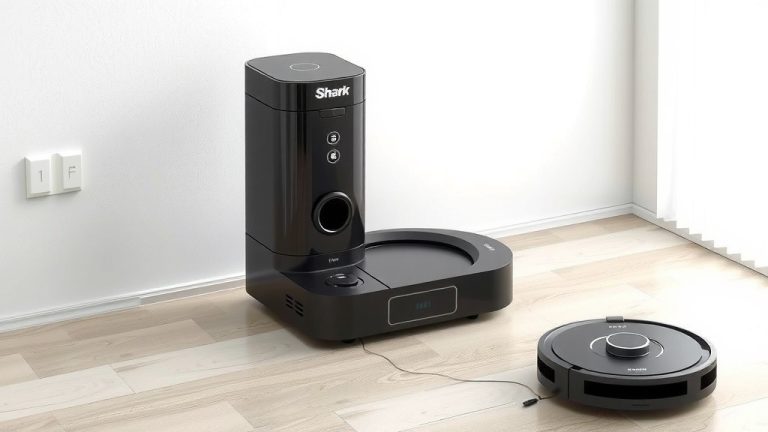
The biggest draw is the hands-free operation. Imagine your robot vacuum running while you’re out or relaxing. When it’s done, it heads back to its dock and empties its small dustbin into a larger bag or container. This base can hold weeks’ worth of debris. You won’t have to empty a tiny bin after every single cleaning session. It’s a huge time-saver, especially if you have pets or a larger home.
Less Frequent Maintenance
Think about how often you usually empty your vacuum’s bin. With a self-emptying model, that task becomes a monthly or even less frequent chore. This reduces the chances of getting dust on your hands. It’s a cleaner process overall, which is great for allergy sufferers. We found this feature alone makes the upgrade worth it for many users.
Consistent Cleaning Performance
Because the dustbin is automatically emptied, the robot vacuum can maintain its optimal suction power throughout a cleaning cycle. A standard robot vacuum might lose suction as its bin fills up. This self-emptying function ensures that your floors get a thorough clean every time. It’s like having a fresh start with each run.
Key Features to Look For
Not all self-emptying robot vacuums are created equal. You’ll want to consider a few things to ensure you get the best one for your needs. Think about what kind of mess your home typically deals with. Is it mostly dust and crumbs, or are you battling pet hair and larger debris?
Suction Power and Floor Types
Suction power is measured in Pascals (Pa). More Pa generally means better cleaning. For homes with carpets, you’ll want a higher Pa rating. We found that models with at least 2000 Pa handle most carpeted homes well. Hardwood floors are a bit more forgiving, but strong suction still helps. Some vacuums can automatically adjust their suction when they move from hard floors to carpet. This is a handy feature to look for.
Navigation and Mapping Technology
How does the robot vacuum know where to go? This is where navigation technology comes in. Some use basic gyroscopic sensors, bumping around to find their way. Others use advanced LiDAR or vSLAM (visual simultaneous localization and mapping). These systems create detailed maps of your home. This allows for more efficient, systematic cleaning patterns. You can often set no-go zones or schedule cleanings for specific rooms. We found this mapping feature made a big difference in cleaning speed and thoroughness.
Understanding LiDAR vs. vSLAM
LiDAR uses lasers to map your home. It’s very accurate, even in the dark. vSLAM uses cameras to navigate. It can be just as effective but might struggle in low light. Both are excellent upgrades from random navigation. They help the robot avoid getting stuck and ensure it covers every accessible area.
Battery Life and Auto-Recharge
A longer battery life means your robot can clean more square footage on a single charge. For most homes, 90-120 minutes of runtime is plenty. Most good self-emptying models also have an auto-recharge feature. If the battery runs low mid-clean, it will return to its dock, recharge, and then resume where it left off. This ensures your entire home gets cleaned without interruption.
Dustbin and Bag Capacity
The self-emptying base is key here. Look at the capacity of the dust bag or bin in the base station. Many hold enough debris for 30-60 days. This is a huge convenience factor. You’ll want to check how easy it is to replace the bags. Some systems use a disposable bag, while others have a washable bin. Consider which you’d prefer. We found that the bagged systems tend to be a bit cleaner when it’s time to empty the base itself.
Top Self-Emptying Robot Vacuum Considerations
When you’re comparing models, think about your home’s unique challenges. A busy household with kids and pets has different needs than a quiet apartment.
Pet Owners’ Best Friend
If you have furry friends, pet hair is likely a major concern. Look for robots with strong suction, good brush designs (often a combination of rubber and bristles), and advanced filtration. Many of these vacuums are specifically marketed for their pet hair removal capabilities. We found that models with tangle-resistant brushes really shine in homes with shedding pets.
Smart Home Integration
Do you use smart home assistants like Alexa or Google Assistant? Many self-emptying robot vacuums offer integration. You can start, stop, or pause cleaning with voice commands. This adds another layer of convenience. Check if the robot vacuum’s app also offers customizable cleaning schedules and zone cleaning. This level of control is very user-friendly.
Filtration System
For those with allergies or respiratory sensitivities, a good filtration system is vital. Look for vacuums with HEPA-type filters. These can capture small particles like dust mites and pollen. The self-emptying base also helps here, as it seals away the debris. We found that a good filter makes a noticeable difference in air quality after cleaning.
Making Your Choice: A Quick Checklist
Ready to narrow down your options? Keep these points in mind:
- Strong suction for your floor types (especially carpets).
- Effective navigation (LiDAR or vSLAM preferred).
- Adequate battery life for your home size.
- Large dustbin capacity in the auto-empty base.
- Good pet hair handling if applicable.
- Smart features and app control that suit your needs.
Conclusion
Choosing the best self-emptying robot vacuum means finding the right balance of features for your home. We’ve seen that strong suction is key, especially if you have carpets or pets. Advanced navigation like LiDAR or vSLAM ensures efficient cleaning routes and helps your robot avoid getting stuck. Remember to consider battery life and the capacity of the auto-empty base for maximum convenience. By focusing on these core elements and your specific needs, you can confidently select a robot vacuum that genuinely reduces your cleaning chores and keeps your home looking its best. Take the next step by comparing models based on these factors for your perfect clean.
Frequently Asked Questions
How often do I really need to empty the self-emptying base?
This depends on your home’s mess level and the base’s capacity. For most households, you’ll find yourself emptying the larger base bag only once every 30 to 60 days. This is a huge convenience compared to daily bin emptying.
Are self-emptying robot vacuums good for homes with pets?
Yes, many are excellent for pet owners. Look for models with strong suction, specialized tangle-resistant brush rolls, and good filtration systems. We found that these features help them effectively manage pet hair and dander.
What is the main difference between LiDAR and vSLAM navigation?
LiDAR uses lasers for precise mapping, working well even in the dark. vSLAM uses cameras to map your home, which is also very effective but may perform slightly better with good lighting. Both create detailed maps for smarter cleaning.
Do I need to prepare my home before the robot vacuum runs?
Generally, you’ll want to pick up small items, cords, and loose rugs. While advanced models can navigate around obstacles, clearing the floor makes their job much easier and more efficient. This also helps prevent the robot from getting stuck.
Can a self-emptying robot vacuum replace my main vacuum cleaner?
For daily upkeep and general floor cleaning, yes, it often can. However, for deep carpet cleaning or very specific messes, you might still need your traditional vacuum. Think of it as a powerful assistant that handles the bulk of the work.