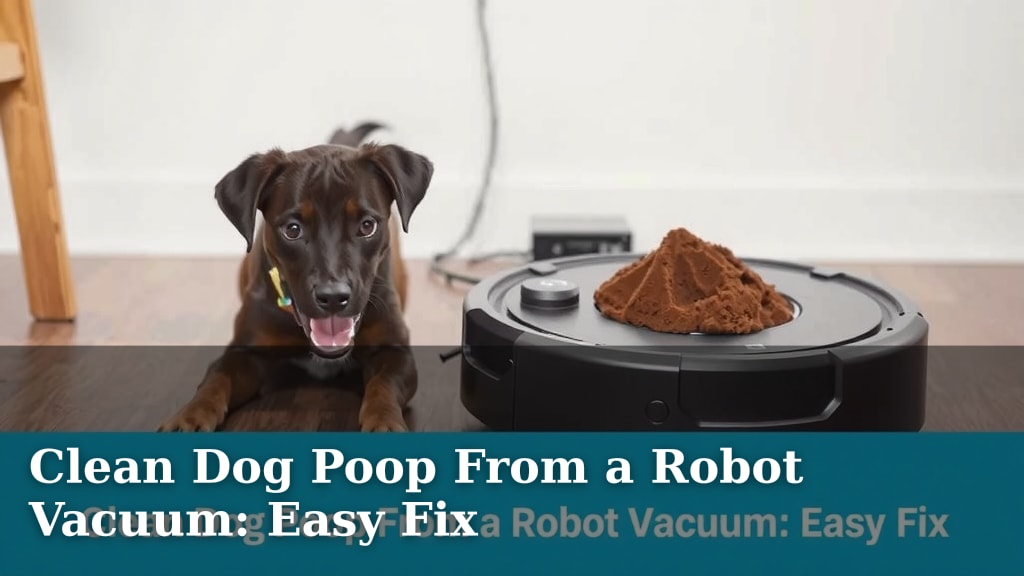
Clean Dog Poop From a Robot Vacuum: Easy Fix
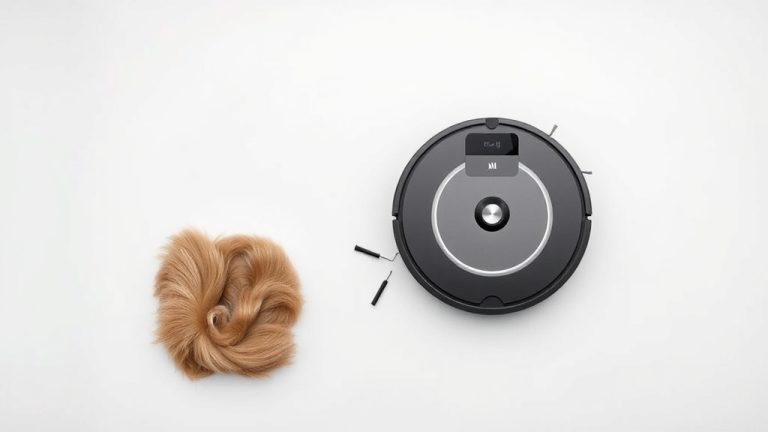
The easiest way to clean dog poop from your robot vacuum is to immediately stop it and remove the mess by hand. Don’t let it run further, as this can spread the poop and create a much bigger cleanup job. You’ll want to have some gloves and paper towels ready.
It’s a scenario no dog owner wants to face. You hear that awful sound, and then you see the mess. While it might seem like a disaster, dealing with a robot vacuum that has encountered dog poop is manageable. Many robot vacuums have sensors that can detect major obstacles, but they aren’t foolproof. Knowing the right steps can save your floors and your sanity.
- Stop your robot vacuum immediately.
- Wear gloves and use paper towels.
- Wipe down the brushes and wheels.
- Clean the vacuum’s bin and sensors.
- Check the underside for missed spots.
Let’s walk through exactly how to handle this messy situation step by step, so you can get your robot vacuum back to cleaning.
Tackling a Dog Poop Disaster on Your Robot Vacuum
Oh no, the dreaded poop incident! It’s a moment that makes every dog owner’s heart sink. You hear that strange grinding noise, and then you see it – your beloved robot vacuum has had a run-in with your dog’s less-than-ideal offering. Don’t panic! We’ll guide you through cleaning up this messy situation effectively.
Immediate Actions: Stop the Spread!
The very first thing you need to do is stop your robot vacuum immediately. Think of it like hitting the emergency brake. If it’s still moving, it’s likely smearing the mess further across your floors and all over the vacuum itself. This will turn a bad situation into a truly horrific one. We’ve all heard stories of robots turning into poop-spreading machines, and it’s not a pretty sight.
Gather Your Cleanup Crew
Before you do anything else, make sure you have your supplies ready. You’ll want a pair of disposable gloves to protect your hands. Paper towels or old rags are also essential for wiping up the bulk of the mess. Some soapy water or a pet-safe cleaning spray will be helpful for a deeper clean.
The Manual Cleanup: Getting Your Hands (Gloves!) Dirty
Now comes the less glamorous part. You need to carefully remove the solid waste from your robot vacuum. This requires a gentle but firm approach.
Removing the Initial Mess
Start by using paper towels or rags to carefully scrape off as much of the poop as possible. Take your time here. You don’t want to leave large chunks behind. If the poop has gotten into the brushes or wheels, try to get it out first. Sometimes, a gentle prying motion is needed. Remember, your goal is to get the majority of the solid waste off without pushing it further into the vacuum’s components.
Dealing with Stubborn Bits
For any remaining bits that are stuck, you might need to use a damp paper towel. Gently wipe away the residue. If the poop is really caked on, you may need to slightly dampen your paper towel with water or a mild, pet-safe cleaning solution. Be cautious not to saturate the vacuum, especially near any electronic parts.
Focus on the Brushes and Wheels
The brushes and wheels are often the biggest culprits for trapping poop. You’ll want to detach the main brush roll if your vacuum allows for it. This makes it much easier to clean. Use your gloved fingers, paper towels, or even an old toothbrush to thoroughly remove all traces of poop from the brush bristles and the wheel treads. Don’t forget the smaller side brushes, which can also catch debris.
Detaching the Brush Roll (If Possible)
Many robot vacuums have a release mechanism for their main brush. Check your vacuum’s manual if you’re unsure. Once it’s out, you can rinse it under warm water (if the material allows) or meticulously pick out any remaining waste. Ensure it’s completely dry before reinserting.
Cleaning the Vacuum’s Interior and Sensors
Once the exterior mess is handled, you need to move inside the vacuum. Poop can easily get into the dustbin and potentially affect sensors.
Emptying and Cleaning the Dustbin
Carefully remove the dustbin. Empty its contents directly into a trash bag, tying it securely. Now, wash the dustbin thoroughly with soap and water. Most dustbins are washable, but always check your manual first. Make sure it’s completely dry before putting it back into the vacuum. If the poop got into the filter, you may need to clean or replace it according to the manufacturer’s instructions. Many sources recommend rinsing filters (if washable) and letting them air dry completely.
Wiping Down Sensors and Exterior
Robot vacuums rely on sensors to navigate. If poop got on these, they won’t work correctly. Use a slightly damp cloth to gently wipe down all exterior sensors. You’ll typically find them on the front, sides, and underside of the robot. Also, give the entire exterior casing a good wipe-down to remove any smudges or residue. A mild all-purpose cleaner or a mixture of water and vinegar can work well here. Many cleaning experts suggest avoiding harsh chemicals that could damage the plastic or sensors.
Post-Cleanup Checks and Maintenance
Before you let your robot vacuum resume its duties, a few final checks are in order.
Inspect the Underside Thoroughly
Get down on your hands and knees and really inspect the underside of the robot. Did any poop sneak past the brushes? Are there any missed spots clinging to the chassis? Use a flashlight to get a good look. Pay close attention to crevices and seams where debris can hide.
Test Run and Monitoring
Once everything looks clean and dry, it’s time for a test run. Start the vacuum on a short cleaning cycle in an area that is easy to monitor. Watch and listen closely. Ensure it’s moving correctly and not making any unusual noises. This quick check can catch any remaining issues before they become bigger problems.
Preventative Measures for Future Incidents
Accidents happen, but you can reduce the chances of your robot vacuum encountering poop again. Many robot vacuums come equipped with obstacle detection technology. Ensure yours is functioning and that you’ve updated its firmware if possible. Some models even have specific “pet mess avoidance” features that research suggests are becoming more advanced.
Poop Patrol Schedule
The most effective prevention is simply being vigilant. Stick to a consistent schedule for taking your dog out. Clean up any messes promptly, especially if your robot vacuum is scheduled to run soon after. Some owners find it helpful to schedule their robot vacuums to run when they are home to supervise or when the dogs are outside.
Consider a “Smart” Robot Vacuum
If you find yourself in this situation frequently, you might consider investing in a robot vacuum with advanced AI and camera technology designed to detect and avoid pet waste. While not foolproof, these newer models offer an extra layer of protection.
Quick Checklist for Poop Incidents:
- Stop the vacuum immediately.
- Put on disposable gloves.
- Remove solid waste with paper towels.
- Clean brushes, wheels, and sensors thoroughly.
- Empty and wash the dustbin.
- Inspect the entire vacuum for missed spots.
Conclusion
Encountering dog poop on your robot vacuum is definitely a messy situation. But with the right steps, you can get your floors clean again. Remember to stop the vacuum immediately and gather your supplies. Focus on thoroughly cleaning the brushes, wheels, and sensors. Don’t forget to empty and wash the dustbin. Regular checks and preventative measures can help you avoid future poop-related chaos. If you experience this, stay calm and follow these simple steps to restore your robot’s cleaning power.
Frequently Asked Questions
What if my robot vacuum ran over the poop for a while?
If your robot vacuum has spread the mess, you’ll need to do a more thorough cleaning. Focus on removing all debris from the brushes, wheels, and any accessible internal parts. You might also need to clean the vacuum’s exterior casing and sensors multiple times.
Can I use household cleaners on my robot vacuum?
It’s best to use mild, pet-safe cleaning solutions or just soapy water. Avoid harsh chemicals or abrasive cleaners, as they can damage the plastic components and sensors on your robot vacuum. Always check your vacuum’s manual for specific cleaning recommendations.
How often should I check my robot vacuum for pet messes?
If you have pets, it’s a good idea to do a quick visual check of your robot vacuum before and after each cleaning cycle. Pay special attention to the brushes and underside. This regular inspection can catch minor issues before they become big problems.
My robot vacuum still smells like poop after cleaning. What should I do?
Ensure all components, especially the dustbin and filter, are completely dry. You can also try leaving the dustbin out to air out for a day or two. For persistent odors, some sources suggest placing baking soda inside the empty dustbin for a few hours (then discarding it).
Are there robot vacuums specifically designed to avoid pet waste?
Yes, some newer robot vacuums are equipped with advanced AI and camera technology that can detect and avoid pet waste. While these features are improving, they are not always foolproof. Regular manual checks are still recommended.