How Does a Robot Vacuum and Mop Work? The Complete Guide to Smart Floor Cleaning
Have you ever wished you could just press a button and watch your floors transform from dusty and grimy to spotless and shining? Well, that’s exactly what a robot vacuum and mop combo promises to deliver. These little mechanical helpers have revolutionized the way we think about household cleaning, turning what used to be a tedious chore into something that happens automatically while you’re working, spending time with family, or simply relaxing on the couch.
But here’s the thing—most people don’t really understand how these devices actually work. They see the results and think it’s pure magic, but there’s actually some fascinating technology happening behind the scenes. In this comprehensive guide, I’m going to walk you through exactly how a robot vacuum and mop system operates, breaking down the complex mechanics into easy-to-understand concepts.
Understanding the Basics: What Is a Robot Vacuum and Mop Combo?
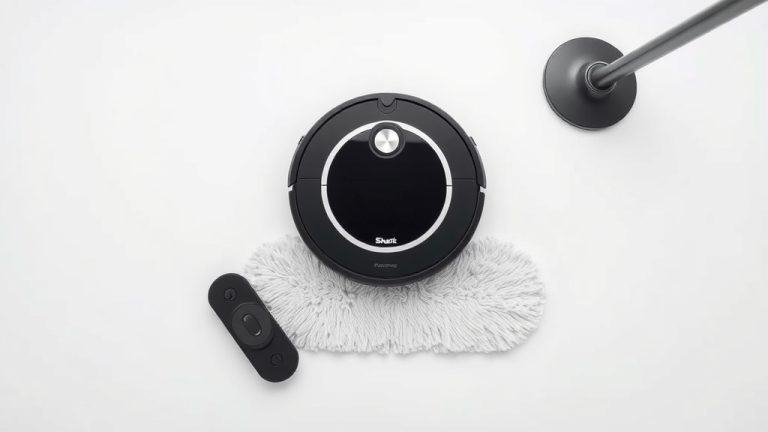
Before we dive deep into the mechanics, let’s establish what we’re actually talking about. A robot vacuum and mop combo is essentially two devices rolled into one. Think of it as a Swiss Army knife for your floors—it combines the dirt-picking power of a vacuum with the wet-cleaning abilities of a mop, all contained in a disc-shaped robot that moves around your home autonomously.
Unlike traditional cleaning methods where you manually push a vacuum or drag a mop bucket around, these smart devices operate independently. They’re equipped with sensors, motors, and software that work together to navigate your home, avoid obstacles, and clean your floors without any human intervention. Pretty impressive when you think about it, right?
The Navigation System: How Does It Know Where to Go?
The brain of any robot vacuum and mop is its navigation system. This is what separates the high-tech models from the older, bumbling robots that just bounce around randomly hoping to clean something eventually. Modern combo cleaners use several technologies working in tandem to map your home and plan efficient cleaning routes.
LiDAR Technology: The Eyes That See Everything
Most premium robot vacuums and mops use something called LiDAR, which stands for Light Detection and Ranging. Don’t let the fancy name intimidate you—it’s actually quite straightforward. The robot emits laser pulses from a rotating turret on top of its body, and these pulses bounce off walls, furniture, and other obstacles before returning to the device. By measuring the time it takes for these pulses to return, the robot calculates distances and creates a detailed map of your home.
Imagine you’re in a dark room and you clap your hands. By listening to the echo, you can figure out roughly how big the room is and where the walls might be. LiDAR does essentially the same thing, except it uses light instead of sound and does it thousands of times per second. This creates an incredibly accurate floor plan that the robot uses to navigate efficiently and avoid crashing into your furniture.
Visual Mapping and Camera Systems
Some robot vacuums and mops also use camera-based navigation systems in addition to or instead of LiDAR. These systems use artificial intelligence to recognize objects and create visual maps of your home. A camera mounted on the robot captures images and compares them to previous images to track movement and identify obstacles like stairs, pets, or toys left on the floor.
What’s clever about these camera systems is that they improve over time. The more the robot cleans your home, the better it becomes at recognizing familiar objects and predicting where obstacles are likely to be. It’s almost like the robot is learning your home’s layout.
Simultaneous Localization and Mapping (SLAM)
Here’s where things get really sophisticated. Many advanced robot vacuums use something called SLAM technology. This clever algorithm allows the device to simultaneously build a map of your home while figuring out where it is within that map. It’s a bit like how you might navigate through a new city by noting landmarks while also keeping track of your own location.
SLAM is crucial because it prevents the robot from getting lost or cleaning the same spot multiple times while missing other areas entirely. The robot essentially creates a mental picture of your entire home and then uses this map to plan the most efficient cleaning route.
The Cleaning Mechanics: How Does the Vacuum Part Work?
Now that we understand how these robots find their way around your home, let’s explore how they actually clean. The vacuum portion of a combo unit operates through several mechanical components working together in perfect harmony.
The Suction System and Motors
At the heart of the vacuuming function is a powerful motor that creates suction. This motor spins a fan inside a sealed chamber, which draws air and debris through the robot’s intake opening. The stronger the motor, the more suction power the robot generates, and the better it can pick up dirt, dust, pet hair, and other particles from your floor.
Most robot vacuums have a suction power measured in pascals (Pa). Higher numbers mean stronger suction. A quality combo unit typically has between 1500 to 4000 Pa of suction power, which is more than adequate for picking up everyday dust and debris from most floor types.
Brush Systems: The Dirt Agitators
Suction alone isn’t enough to effectively clean your floors. That’s why robot vacuums are equipped with brush systems that loosen dirt from surfaces and funnel it toward the intake opening. Most models use a combination of brushes:
- Main Roller Brush: This large cylindrical brush rotates along the bottom of the robot. As it spins, it agitates carpet fibers and loosens embedded dirt. For hardwood and tile floors, this same brush helps push dirt into the suction pathway.
- Side Brush: A smaller brush extends from the side of the robot as it moves. This brush reaches into corners and along baseboards where a circular robot couldn’t otherwise clean effectively.
Think of these brushes like tiny workers that are constantly loosening up dirt particles, making them easier for the suction system to capture. Without them, the robot would just blow air around without actually picking anything up.
Dust Collection and Filtration
Once the vacuum has sucked up dirt and debris, it needs to be stored somewhere. This is where the dustbin comes in. The robot has a relatively small internal dustbin that collects all the particles it picks up during cleaning. When this bin gets full, you’ll typically need to empty it, though some premium models offer self-emptying features that deposit the contents into a larger external bin.
But here’s something many people don’t realize—a good filtration system is just as important as suction power. Most quality robot vacuums use HEPA filters (High-Efficiency Particulate Air filters) that trap tiny particles like dust mites, pollen, and pet dander. Some models have multiple-stage filtration systems that work like an onion, with each layer catching different sized particles.
The Mopping Component: Adding Wet Cleaning Power
So far we’ve focused on the vacuum part, but what makes a combo unit special is the mopping functionality. This is where things get more interesting because combining water-based cleaning with a mobile robot presents some unique challenges.
Water Tank and Reservoir System
Combo units have a separate water tank, distinct from the dustbin, where you fill clean water mixed with your preferred cleaning solution. When you switch the robot to mopping mode, a pump system is activated. This pump gradually dispenses water onto a mopping pad as the robot moves across your floor.
The clever part here is the dosage control. The robot doesn’t just dump water everywhere. Instead, it releases precise amounts of water as it moves, ensuring that your floors get just the right amount of moisture. Release too much water and you might damage hardwood floors or leave wet puddles; too little and the mopping won’t be effective.
Microfiber Mopping Pads and Cleaning Patterns
The actual mopping happens through specialized microfiber pads attached to the bottom of the robot. Microfiber is excellent for mopping because its fine fibers are highly absorbent and can trap dirt and bacteria incredibly effectively. As the robot moves across your floor, the wet pad makes contact with the surface, dissolving stubborn stains and picking up any remaining dirt.
Many advanced combo units feature vibrating mopping pads that move back and forth at high speeds. These vibrations mimic the scrubbing action you’d perform manually, which helps lift stuck-on grime and stains that wouldn’t budge with simple pressure alone.
Smart Water Dispensing Technology
Here’s where modern robot mops really shine—they’re getting smarter about when and how much water they use. Some models detect floor type and adjust water output accordingly. Hardwood floors get minimal moisture while tile and stone can handle more water. Others can identify carpeted areas and automatically switch to vacuum-only mode, preventing water damage.
Power and Battery Management: Keeping the Bot Running
All this cleaning technology requires power, and robot vacuums and mops rely on rechargeable lithium-ion batteries to operate. These are the same types of batteries found in smartphones and electric vehicles, which makes sense because they offer excellent energy density.
Battery Capacity and Runtime
A typical robot vacuum and mop combo has a battery capacity ranging from 2000mAh to 5000mAh. But what does that actually mean for you? It translates to runtime—the amount of time the robot can clean on a single charge. Most quality models can run for 90 to 240 minutes depending on the model and the cleaning mode being used. Mopping mode typically consumes more battery than vacuuming alone because the water pump requires additional energy.
Auto-Return and Docking Station Features
Here’s a really smart feature—when the battery gets low, most robot vacuums and mops automatically return to their docking station to recharge. They use the same navigation system that helps them clean to find their way back home. The docking station not only charges the battery but also provides smart features like self-emptying dustbins and automatic mop pad cleaning in premium models.
Some advanced units even resume cleaning where they left off after charging, making sure your entire home gets cleaned without you having to do anything. It’s like having a tireless assistant that takes bathroom breaks and comes back refreshed.
Intelligent Software and App Control: The Brains Behind the Operation
None of these mechanical components would work together cohesively without sophisticated software running the show. Modern robot vacuums and mops are essentially small computers running artificial intelligence algorithms.
Machine Learning Capabilities
Premium models use machine learning to improve their cleaning over time. As the robot completes cleaning cycles, it gathers data about your home—which areas collect the most dirt, how long different rooms take to clean, where obstacles are located. This data is processed to optimize future cleaning runs, making the robot more efficient and effective with each pass.
Smartphone Integration and Remote Control
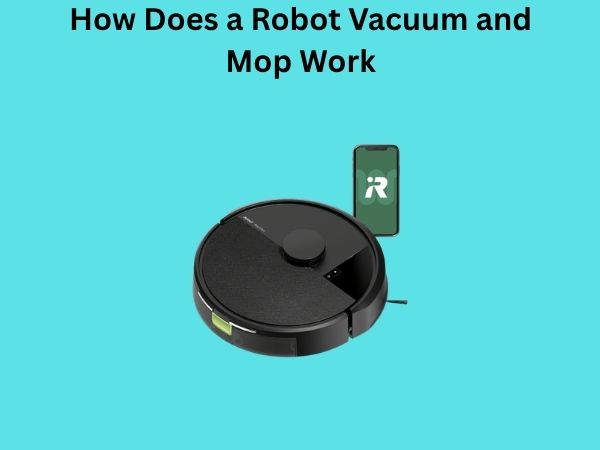
Most combo units connect to your Wi-Fi network and can be controlled through smartphone apps. From your phone, you can start or stop cleaning sessions, schedule automatic cleaning at specific times, adjust mopping intensity, set no-go zones to prevent the robot from entering certain areas, and even control water usage. This level of convenience is one of the biggest reasons people love these devices.
Voice Assistant Compatibility
Many robot vacuums now work with popular voice assistants like Amazon Alexa and Google Assistant. This means you can literally just say “Alexa, start the robot vacuum” and your floors will start getting cleaned without lifting a finger.
Obstacle Detection and Collision Avoidance: Safety First
Imagine if your robot vacuum crashed into your expensive vase collection every time you turned it on. That would be terrible, right? That’s why modern combo units are equipped with multiple sensors specifically designed to detect and avoid obstacles.
Infrared and Ultrasonic Sensors
In addition to LiDAR and cameras, robot vacuums use infrared and ultrasonic sensors to detect nearby objects. These sensors work kind of like a bat’s echolocation. Ultrasonic sensors emit sound waves that bounce off objects, allowing the robot to detect obstacles even in dark environments where cameras wouldn’t work well.
Cliff Detection Technology
One particularly important safety feature is cliff detection. The robot has sensors on its underside that detect drops or edges, preventing it from tumbling down stairs. These sensors send constant signals to the robot’s navigation system, which immediately stops the device from moving forward if a cliff is detected.
Different Cleaning Modes and Customization Options
Not every cleaning situation is the same, and good robot vacuums and mops understand this. They offer various cleaning modes to handle different scenarios:
- Spot Cleaning: Focus intensive cleaning on a specific small area
- Edge Cleaning: Move along walls and baseboards with the side brush extended
- Room-Specific Cleaning: Clean individual rooms one at a time
- Auto Mode: Let the robot intelligently decide which areas need more cleaning
- Scheduled Cleaning: Set the robot to clean automatically at specific times each day
- Quiet Mode: Reduced suction power for quieter operation during sensitive times
Maintenance Requirements: Keeping Your Robot in Top Shape
Like any piece of technology, robot vacuums and mops require regular maintenance to function optimally. The good news is that the maintenance is minimal compared to the effort saved on cleaning.
Regular Cleaning Tasks
You’ll need to empty the dustbin regularly, replace or clean filters periodically, and wash mopping pads. Some models have dirty water tanks that need to be emptied and cleaned, especially if you’re using cleaning solutions regularly. Brushes should be inspected occasionally for hair tangles that might reduce their effectiveness.
Software Updates and Calibration
Most robot vacuums receive periodic software updates through Wi-Fi that improve performance and add new features. These updates happen automatically in the background, continually enhancing your robot’s intelligence and efficiency.
Comparing Different Technologies: LiDAR vs. Camera-Based Navigation
You might be wondering which navigation technology is better—LiDAR or camera-based systems. The truth is that both have advantages and disadvantages.
LiDAR is incredibly accurate and works in complete darkness, but it adds cost to the device. Camera-based systems are cheaper and can recognize specific objects and patterns, but they struggle in low-light conditions. Many premium models use hybrid approaches, combining both technologies for maximum effectiveness.
Pet-Friendly Features and Allergen Management
If you have pets, you’ll appreciate that many modern robot vacuums and mops are designed with pet owners in mind. They have stronger suction to handle pet hair, HEPA filtration to trap allergens, and pet detection modes that reduce noise to avoid startling your furry friends. Some can even identify and navigate around pet waste to prevent accidents.
Conclusion
Robot vacuums and mops represent a fascinating convergence of multiple technologies—advanced navigation systems, mechanical engineering, fluid dynamics, artificial intelligence, and software development all work together seamlessly. From the moment a combo unit maps your home using LiDAR to the intelligent app that schedules your cleaning sessions, every component plays a vital role in delivering clean floors with minimal effort.
Understanding how these devices work gives you greater appreciation for what they’re accomplishing every time they autonomously clean your home. They’re not just moving around randomly; they’re using sophisticated algorithms to map your space, plan optimal routes, detect obstacles, and adjust their cleaning intensity based on the type of floor and amount of dirt present.
The technology continues to evolve rapidly, with manufacturers constantly adding new features and improving existing ones. Whether you’re considering investing in a robot vacuum and
![7 Best Robot Vacuum And Mop Under $300 [2026]](https://robotvacuumfact.com/wp-content/uploads/2026/08/7-best-robot-vacuum-and-mop-under-300-2026-featured-768x432.jpg)