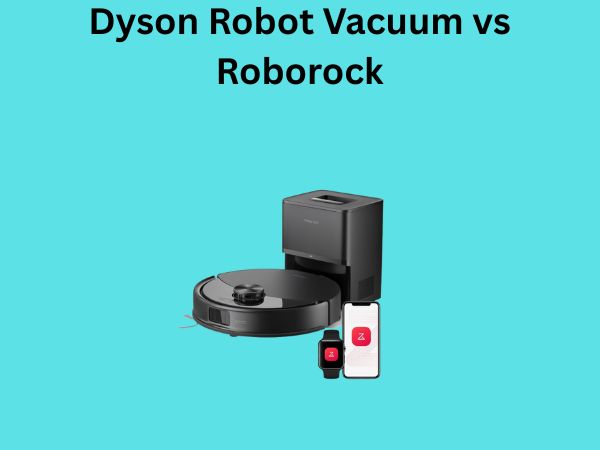
Dyson Robot Vacuum vs Roborock: Which High-End Robot Vacuum Wins in 2024?
When you’re standing in front of your messy living room and thinking about finally getting a robot vacuum that actually works, you’ve probably found yourself torn between two heavyweight champions: Dyson and Roborock. Both brands have built massive reputations in the robot vacuum world, but they approach the game differently. So which one should you actually bring home? Let me walk you through everything you need to know to make an informed decision.
Understanding the Brands: Dyson and Roborock
Let me tell you something about these two companies that really matters when you’re making a decision. Dyson comes from the world of premium cordless vacuums and air purifiers. James Dyson built his empire on cyclonic technology and innovation, and when they entered the robot vacuum market, they brought that same DNA of premium engineering with them. It’s like hiring a Formula One designer to build your family car—you get performance with a premium price tag.
Roborock, on the other hand, is a Chinese company that’s been quietly dominating the robot vacuum space for years. They focus heavily on smart technology, mapping precision, and delivering premium features at slightly more accessible price points than Dyson. They’re the company that understands what everyday people actually want from a robot vacuum.
Dyson’s Entry into Robot Vacuums
Dyson released their first robot vacuum called the Dyson 360 Eye not too long ago, and they’ve been refining the technology ever since. Their approach has always been about bringing powerful suction and innovative technology to the home cleaning space. They’re not trying to compete on price—they’re competing on performance and brand prestige.
Roborock’s Market Position
Roborock has built an incredible lineup with models like the S7, S8, and their newer releases. They’ve positioned themselves as the smart home expert, meaning their vacuums integrate seamlessly with your existing ecosystem and offer features that tech-savvy homeowners crave.
Design and Aesthetics: First Impressions Matter
When you look at these two robots side by side, you immediately notice they have different design philosophies. Dyson vacuums tend to have a more futuristic, almost sculptural look. They’re sleek, relatively compact, and designed to look premium sitting in your living room. Some people actually think they look like little robots from a sci-fi movie.
Roborock models are more traditional in appearance but with modern touches. They’re typically slightly larger but often come in minimalist colors like black, white, or gray. Both designs are attractive, but Dyson definitely wins points if you care about your vacuum looking like a conversation piece rather than an appliance.
Size and Footprint Considerations
Dyson’s robots are generally more compact, which means they can navigate tight spaces better. If you’ve got a home full of furniture with small gaps underneath, Dyson’s dimensions might serve you better. Roborock models are slightly larger but still slim enough for most modern homes. Think of it like the difference between a sports car and a luxury sedan—both fit in your garage, but one’s a bit more nimble.
Suction Power and Cleaning Performance: The Heart of the Matter
Here’s where things get really interesting because suction power is basically the soul of a robot vacuum. You want something that can actually pick up that pet hair, dust, and debris without your carpets still looking grimy after it’s done its job.
Dyson’s latest models deliver around 60 air watts of suction power, which is genuinely impressive for a robot vacuum. They use their signature cyclonic technology, which means the suction stays consistent even as the dustbin fills up. You won’t experience that frustrating drop-off in performance that some robot vacuums suffer from.
Roborock’s premium models, particularly the S8 series, deliver comparable suction power around 5100 Pa (that’s pascals, a unit of pressure). When you convert that to real-world cleaning, we’re talking about vacuums that can handle both hard floors and carpets with admirable effectiveness. The difference isn’t night and day, but it’s noticeable if you have high-pile carpets or loads of pet hair.
Testing on Different Floor Types
In real-world testing scenarios, Dyson excels on hard floors and low-pile carpets. The suction doesn’t get bogged down, and the cleaning is thorough. Roborock performs exceptionally well on both hard floors and medium to high-pile carpets because they’ve engineered their brush systems to adapt better to different surfaces.
If you’ve got a mixed flooring situation—which most of us do—Roborock might edge out ahead slightly. But if you’re primarily concerned with pristine hard floors and low carpet, Dyson’s focused engineering really shines.
Pet Hair Handling Capabilities
Dog owners and cat owners, listen up. Roborock’s rubber brush technology is specifically designed to handle pet hair without tangling as much as traditional bristle brushes. Dyson’s cyclonic technology excels at capturing fine particles, but their brush design might require more frequent cleaning if you’ve got shedding pets. This isn’t a dealbreaker either way, but it’s worth considering if Fido is constantly redecorating your floors with his fur.
Smart Features and App Integration: Living in the Future
This is where Roborock absolutely dominates. Their app ecosystem is incredibly intuitive and packed with features that make you wonder how you ever lived without them. You can schedule cleaning sessions, draw virtual boundaries, customize cleaning patterns, and even watch a live video feed from the robot’s camera on most models.
Dyson’s app is decent but feels more basic in comparison. You can schedule cleanings and monitor status, but it lacks the granular control that Roborock offers. If you’re someone who likes tweaking settings and having complete control over your robot’s behavior, Roborock is the clear winner here.
Voice Assistant Compatibility
Both brands support major voice assistants like Alexa and Google Home. You can tell your vacuum to start cleaning while you’re on your way home from work, which is genuinely convenient. However, Roborock’s integrations feel more seamless and offer more advanced voice commands. You’re not just starting and stopping—you’re customizing rooms and scheduling specific cleaning modes through voice.
Integration with Smart Home Ecosystems
If you’re building out a comprehensive smart home setup, Roborock plays nicer with most platforms. They’ve invested heavily in ensuring compatibility with various ecosystems, while Dyson’s approach is more limited. Think of it as the difference between a device that fits into your smart home versus one that requires your smart home to adapt to it.
Navigation and Mapping Technology: Finding Its Way
The best robot vacuum in the world doesn’t mean much if it can’t figure out where it’s going and keeps bumping into your coffee table like a drunk college student.
Roborock uses LiDAR (Light Detection and Ranging) technology to create precise maps of your home. This means the vacuum understands the layout, knows where it’s been, and can navigate efficiently without wasting battery bouncing around aimlessly. The mapping is incredibly accurate, often to the centimeter.
Dyson also uses intelligent navigation, but their approach is slightly different. They use a combination of sensors and cameras to understand their environment. It’s effective, but some users report that Dyson vacuums can be a bit less efficient in their navigation patterns compared to Roborock’s laser-guided approach.
No-Go Zone Creation and Virtual Boundaries
Both vacuums allow you to create no-go zones through their apps, but Roborock’s implementation is far more intuitive. You can literally draw boundaries on the map in your app with precision, and the vacuum respects them religiously. Dyson offers this feature, but it feels less refined and less responsive to actual barriers in your home.
Room-Specific Cleaning
Here’s a scenario: you spilled something in the kitchen and don’t want the vacuum cleaning your bedroom. Roborock lets you select specific rooms to clean from the app, and you can assign different cleaning intensities to different areas. Dyson can do basic room selection, but not with the same level of sophistication. If room-specific cleaning matters to you, Roborock is the obvious choice.
Battery Life and Runtime: How Long Can They Go?
A robot vacuum that runs out of juice halfway through your house is about as useful as a chocolate teapot. So battery life matters enormously.
Dyson’s latest models offer around 120 minutes of runtime on a single charge, which is genuinely excellent. That’s enough to clean most homes without needing to return to the dock. The battery charges relatively quickly too.
Roborock’s premium models offer similar runtime, typically between 120 to 150 minutes depending on the specific model and cleaning intensity. On lower suction settings, some Roborock models can stretch their battery even further, which is a nice option for overnight cleaning or quick refresh sessions.
Real-World Battery Performance
Here’s something important: the battery life figures manufacturers give you are typically under optimal conditions. In real-world scenarios with carpets, obstacles, and variable floor types, you’ll see less runtime. Both brands deliver respectable real-world performance, but Roborock’s ability to adjust suction power means you can extend battery life intentionally when you need to cover a larger area.
Recharging Efficiency
Both vacuums automatically return to their docks when the battery gets low, and both dock systems are reliable. Dyson’s dock is more compact and minimalist in design. Roborock’s dock is functional but takes up a bit more space. Neither is significantly better than the other in practical terms.
Noise Levels: Can Your Family Actually Hear the TV?
Let’s be honest—a loud robot vacuum is like having a tiny angry bee living in your home. It’s annoying, especially if you work from home or have sleeping children.
Dyson models operate at around 80 to 82 decibels, which is roughly as loud as a garbage disposal or a busy traffic intersection. It’s noticeable, definitely, but not ear-splittingly loud.
Roborock’s newer models are remarkably quiet, with some operating at 65 to 70 decibels depending on the specific model and suction setting. That’s closer to normal conversation volume. If you’re sensitive to noise or have a spouse who works night shifts, Roborock’s quieter operation might be a genuine advantage.
Quiet Mode vs Standard Mode
Roborock excels here because their quiet mode genuinely works. You can schedule cleaning during your work hours without it being disruptive. Dyson’s vacuum in standard mode is louder across the board, and while they have quieter settings, they’re not as dramatically quieter as Roborock’s options.
Maintenance and Filter Costs: The Hidden Expenses
People often forget about maintenance costs when they’re excited about purchasing a new appliance. Let me tell you, those forgotten costs add up.
Both vacuums require regular filter cleaning and eventual filter replacement. Dyson’s filters are pricey—you’re looking at $50 to $70 for a replacement. Roborock’s filters are more affordable, typically $20 to $40. Over the course of three to five years, that difference compounds.
The brush systems also require maintenance. Dyson’s brush needs regular cleaning, especially if you have pets. Roborock’s rubber brush system tangles less frequently, which means less maintenance headaches. Both require emptying the dustbin regularly, but Dyson’s smaller dustbin means more frequent emptying.
Warranty and Support Coverage
Dyson offers a two-year warranty on most models, which is solid. Their customer service is responsive and helpful. Roborock typically offers a two-year warranty as well, with increasingly competitive customer support. Neither brand will leave you hanging if something goes wrong.
Price Points and Value for Money: The Investment Question
Dyson robot vacuums range from about $750 to $1,100 depending on the model. You’re paying a premium for the brand name, the design aesthetic, and the engineering heritage.
Roborock models typically range from $500 to $900, offering more features at a lower price point. You get LiDAR mapping, app sophistication, and comparable cleaning power for less money upfront. Over the lifetime of ownership, factoring in filter costs and maintenance, Roborock offers better value.
Cost Per Feature Analysis
When you break down what you’re getting per dollar spent, Roborock wins decisively. You’re getting more smart features, better mapping, quieter operation, and cheaper maintenance costs for less initial investment. Dyson’s value proposition relies more on brand prestige and design than raw feature count.
Should You Wait for Sales?
Both brands frequently discount their products during holiday sales. If budget is a concern, waiting for Black Friday or similar sales events can save you $100 to $200. This is especially worth doing with Dyson, where the premium pricing makes discounts more impactful.
Real-World Performance Scenarios: Where the Rubber Meets the Road
The Pet Owner Scenario
You’ve got two dogs that shed like it’s their job. Roborock’s rubber brush and more frequent maintenance reminder system makes it the better choice. You’ll spend less time unclogging brushes and more time enjoying a clean house.
The Apartment Dweller
You’re in a one-bedroom apartment with mostly hardwood floors. Both perform admirably, but Dyson’s compact size is an actual advantage here. You can fit it in tight storage spaces, and its smaller dustbin isn’t a dealbreaker in a smaller living space.
The Tech Enthusiast
You’ve got your home automated to the nth degree with voice assistants and smart devices everywhere. Roborock is your person. The app sophistication, voice integration, and ecosystem compatibility align perfectly with how you like to live.
The Minimalist Aesthetic Lover
You care about how things look in your home and consider design important. Dyson’s premium look and compact footprint appeal to you. You’re willing to pay more because you want your vacuum to be an object you’re proud to display.
Detailed Pros and Cons: The Comprehensive Breakdown
Dyson Pros
- Exceptional suction power and cleaning performance on hard floors
- Compact, stylish design that looks premium
- Strong brand reputation and excellent build quality
- Powerful cyclonic technology maintains suction throughout the cycle
- Responsive customer service and warranty support