Pool Robot Vacuum Lifespan: How Long Do They Last
Wondering how long your pool robot vacuum will keep your pool sparkling? Most pool robot vacuums last between 3 to 6 years with proper care. This lifespan can be longer if you treat your robot well. You can expect a great return on your investment.
The longevity of your pool cleaner depends on several factors. These include the brand, the model, and how you maintain it. Higher-end models might offer a longer service life. Regular cleaning and checks can help avoid costly repairs down the line.
- Pool robot vacuums typically last 3-6 years.
- Lifespan varies by brand, model, and maintenance.
- Proper care can extend the robot’s life.
- Battery life is a key factor in longevity.
Let’s dive into what affects your robot’s lifespan and how you can help it last as long as possible.
Understanding Your Pool Robot’s Lifespan
So, you’re wondering how long your trusty pool robot vacuum will keep your water crystal clear. It’s a great question for anyone investing in keeping their pool pristine. We found that most pool robots can give you a solid 3 to 6 years of service. Think of it like a good appliance; with care, it can last a long time.
This lifespan isn’t set in stone, though. It’s more of a guideline. Several things can tick this number up or down. Your robot’s brand and model play a part. So does how you treat it day-to-day. Higher-end models often use more durable components. This can naturally lead to them outlasting simpler designs.
Factors Influencing Robot Longevity
Brand and Model: A Foundation for Durability
When you’re looking at pool robots, you’ll notice a wide range of prices. This often reflects the quality of materials and engineering. We found that brands known for building robust equipment tend to produce robots that last longer. Think of it like buying a car; a luxury brand might use better steel and have more advanced engineering, leading to a longer lifespan than a budget model.
Some manufacturers use hardier plastics and corrosion-resistant metals in their components. This makes a big difference, especially since your robot lives in a wet, chemically treated environment. We’ve also seen that models with simpler designs, fewer moving parts, or less sophisticated electronics can sometimes be more reliable over time. Less can be more, in this case.
Usage Patterns: How Often and How Hard
How often do you send your little cleaner on its missions? If your pool is large and you run the robot daily, it will naturally experience more wear and tear than one used only once a week. We found that frequent use means more hours logged, more cycles completed, and more strain on its motor and brushes.
Consider the type of debris your robot usually tackles. Is it mostly fine dust and leaves, or does it frequently battle larger debris like twigs, acorns, or even small toys? Fighting tougher debris requires more effort from the robot’s motor and intake system. This can lead to quicker wear on internal parts. So, if you have a lot of oak trees, your robot might work harder.
Environmental Conditions: More Than Just Water
Your pool robot spends its life in a unique environment. It’s not just water; it’s chemically treated water. We found that the concentration of chlorine and other pool chemicals can affect the seals, plastics, and metal components over time. High chemical levels can sometimes degrade materials faster.
The temperature of the water also matters. Running a robot in extremely hot water for extended periods might put extra stress on its motor and electronics. Think of it like leaving your phone out in the sun; heat isn’t its friend. Similarly, very cold water, especially if it freezes, can cause significant damage to internal components. We often see damage reports after a robot is left in a pool that froze over.
The Vital Role of Maintenance and Care
Regular Cleaning: Your Robot’s Best Friend
This is perhaps the single most important factor you can control. Keeping your robot clean is like giving it a good shower. After each use, you should rinse it thoroughly with fresh water. This removes any pool chemicals and debris that could cause corrosion or clog its filters.
Pay special attention to cleaning the filter baskets or cartridges. If these get clogged, the robot’s suction power will decrease. This means it won’t clean as effectively, and its motor will have to work harder. We found that a clean filter means a happier, more efficient robot. Some models have a simple lift-out basket, while others have cartridges that might need more thorough cleaning.
Proper Storage: Giving It a Break
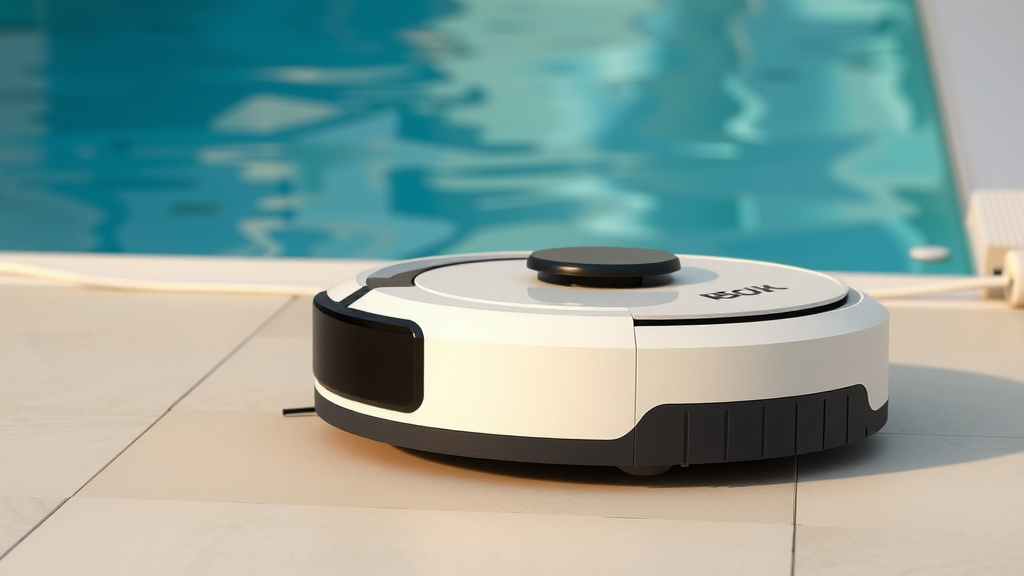
Where you store your robot when it’s not in use can significantly impact its lifespan. We recommend storing it in a cool, dry place, away from direct sunlight. Leaving it on the pool deck where it bakes in the sun all day can degrade the plastic and internal components. Direct UV rays are harsh.
Avoid storing it in extreme temperatures, either hot or cold. If you live in a region with freezing winters, make sure the robot is completely dry before storing it to prevent internal damage. Some manufacturers offer a caddy or a storage stand, which is a great way to keep the robot off the ground and allow for better air circulation.
Checking for Wear and Tear: Early Detection
Just like you’d check your car’s tires, it’s wise to periodically inspect your robot. Look for any visible signs of damage, like cracks in the casing, worn-out brushes, or frayed power cords (if it’s a corded model). Addressing small issues early can prevent them from becoming big, expensive problems.
We found that brushes are often one of the first parts to show wear. They spin and scrub, after all! If they look significantly worn down, replacing them can restore cleaning efficiency. For robots with tracks or wheels, check if they are still gripping well and not slipping. A quick inspection every month or so can go a long way.
Battery Health: A Key Component for Cordless Models
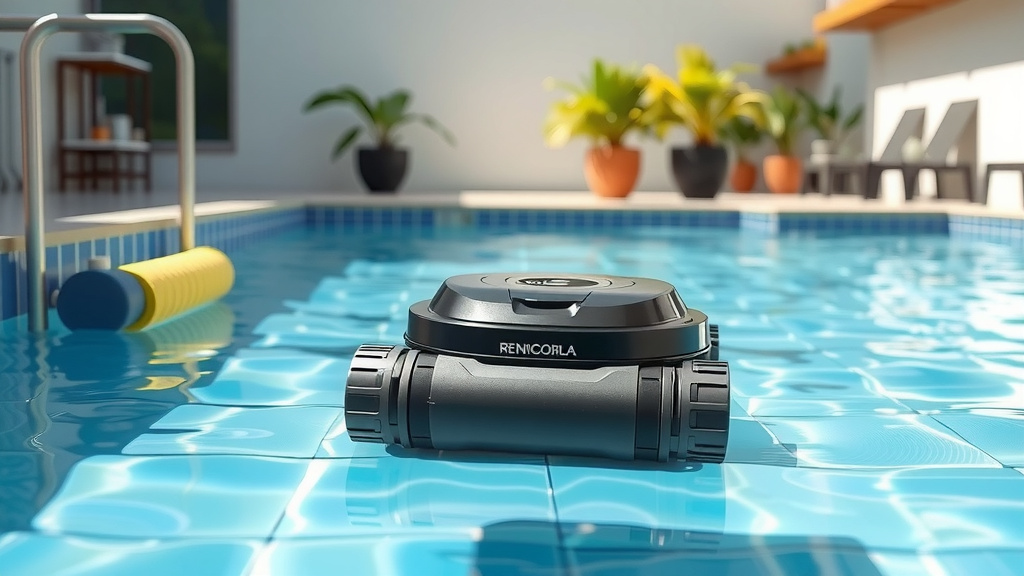
For cordless pool robots, the battery is a major factor in its overall lifespan and performance. Batteries, by their nature, have a limited number of charge cycles. We found that a typical lithium-ion battery in a pool robot might last for 2 to 4 years before its capacity noticeably decreases.
How you charge and maintain the battery is critical. Always follow the manufacturer’s charging instructions. Avoid overcharging or letting the battery sit fully discharged for long periods. Some experts suggest storing the battery at around 50% charge if the robot will be unused for an extended time. We found that maintaining optimal battery health ensures consistent cleaning power and extends the battery’s usable life, which in turn can contribute to the robot’s overall longevity.
Ultimately, while 3-6 years is a good general range, your dedication to caring for your pool robot can nudge it towards the higher end of that spectrum. Think of it as a partnership: you provide the clean water and proper storage, and it provides a sparkling clean pool.
Conclusion
You’ve learned that your pool robot vacuum can be a dependable partner for many years. We found that the typical lifespan rests between 3 to 6 years. This range isn’t fixed; your actions play a huge role. Consistent cleaning and proper storage are your robot’s best allies. By taking these simple steps, you can help your cleaner reach the higher end of its potential lifespan. Your investment deserves this care. Make maintenance a regular part of your pool routine, and enjoy a cleaner pool for longer.
Frequently Asked Questions
Can a pool robot vacuum last longer than 6 years?
While 3 to 6 years is the common range, some robots can last longer with exceptional care. Brands known for robust construction and consistent, gentle use can push longevity past the average. You might extend its life by always rinsing it thoroughly and storing it correctly.
What is the most common reason a pool robot breaks?
We found that a common failure point is related to the battery in cordless models or damage from improper storage. Batteries have a limited number of charge cycles. Also, leaving a robot exposed to extreme temperatures or freezing water can cause internal component damage.
Should I worry about the chemicals in my pool affecting my robot?
Yes, you should be mindful of pool chemicals. We found that high concentrations of chlorine and other treatments can degrade seals and plastic parts over time. Rinsing your robot with fresh water after each use helps remove these chemicals and protect its components.
How often should I clean my pool robot’s filter?
You should clean your pool robot’s filter baskets or cartridges after every single use. Clogged filters reduce suction power, making the robot work harder and less effectively. This also puts unnecessary strain on the motor, potentially shortening its lifespan.
Is it worth repairing an old pool robot?
It depends on the repair cost versus the robot’s age and original price. If it’s a minor fix, like replacing brushes, it’s often cost-effective. However, major repairs, especially on an older unit approaching the 6-year mark, might be better invested in a new, more efficient model.