How to Choose a Robot Vacuum and Mop: Full Guide
Choosing the right robot vacuum and mop combo means finding a device that truly cleans your floors with minimal fuss. Look for models with strong suction power for debris and effective mopping pads for stuck-on grime. Consider features like smart navigation and self-emptying bins for ultimate convenience.
A great robot vacuum and mop can drastically cut down your cleaning chores. We’ve found that the best units combine powerful vacuuming capabilities with efficient mopping systems. Think about your home’s floor types and how much automation you want. This guide will help you pick a model that fits your life and your budget, giving you more free time.
- Look for strong suction and good mopping action.
- Smart navigation helps the robot clean efficiently.
- Consider self-emptying or self-cleaning features.
- Match the robot’s abilities to your home’s needs.
- Read reviews to find reliable brands.
Ready to find the perfect robotic helper for your home? Let’s dive into what makes a robot vacuum and mop the right choice for you.
You’re ready to make your cleaning life easier. A robot vacuum and mop can be a game-changer. But with so many options, how do you pick the right one for your home? Let’s walk through the key things to consider.
Selecting the Best Robot Vacuum Mop for Your Home
Choosing the right robot vacuum mop involves understanding your home’s unique cleaning needs and the robot’s capabilities. Think about what frustrates you most about current cleaning routines. Is it pet hair? Sticky messes? Or just the sheer time it takes?
Understand Your Flooring Needs
Different floors require different cleaning approaches. Most robot vacuums are designed to handle a mix of surfaces. However, some excel more than others.
Carpet vs. Hardwood
If you have a lot of carpet, you’ll want strong suction power. This ensures debris is pulled from the fibers. For hardwood or tile floors, the mopping function becomes more important. Look for robots with adjustable water flow. This prevents over-wetting delicate floors.
High-Pile Carpet Considerations
Some robots struggle with very thick carpets. They might get stuck or not clean effectively. Research models known for handling different carpet heights. You can often find this information in product reviews.
Navigation Technology: The Robot’s Brain
How a robot maps and navigates your home directly impacts its cleaning efficiency. Smarter navigation means less missed spots and fewer bumps into furniture.
Random Bounce vs. Smart Mapping
Older or cheaper models often use a random bounce system. They move somewhat haphazardly. More advanced robots use sensors and cameras for smart mapping. They create a plan of your home. This allows for systematic cleaning. Some even let you set no-go zones via an app.
Obstacle Avoidance
Look for robots with good obstacle avoidance. This is especially important if you have pets or kids who leave toys around. Advanced sensors can detect cables, pet waste, and other common household hazards.
Vacuuming Power: Suction Matters
For a robot vacuum, suction power is king. This is usually measured in Pascals (Pa). Higher Pa means stronger suction. You want a robot that can pick up everything from fine dust to larger crumbs.
What Level of Suction Do You Need?
For everyday dirt and pet hair on hard floors, around 1500-2000 Pa might be sufficient. If you have carpets, especially thicker ones, aim for 2500 Pa or higher. Some top-tier models even boast 4000 Pa or more.
Mopping Capabilities: Beyond Just Wiping
Mopping is where robot vacuums truly become a mop. Don’t expect miracles on heavily dried-on stains. But for daily maintenance, they work wonders.
Water Tank and Pad Types
Consider the size of the water tank. A larger tank means longer mopping sessions. Some robots have vibrating or spinning mop pads for a deeper clean. Others simply drag a wet cloth. For stubborn grime, a scrubbing action is often best.
Adjustable Water Flow and Suction Control
It’s helpful to control how much water the robot dispenses. You don’t want to leave puddles on your hardwood. Similarly, some robots can adjust suction power based on floor type. They ramp up suction on carpets and reduce it on hard floors.
Convenience Features: Making Your Life Easier
Beyond core cleaning, smart features can dramatically reduce your interaction with the robot.
Self-Emptying Bins
This is a popular feature for a reason. The robot docks at its base, and the base sucks the dirt from the robot’s small bin into a larger bag or container. You only have to empty the base every few weeks or months. This is fantastic for busy households or allergy sufferers.
Self-Cleaning Docks
Even more advanced are docks that clean the mop pads. They might wash and dry the pads. This keeps them fresh for the next mopping cycle. It’s the closest you’ll get to hands-off cleaning.
App Control and Smart Home Integration
Most modern robots connect to Wi-Fi and have smartphone apps. You can schedule cleanings, view maps, and control settings remotely. Many also work with voice assistants like Alexa or Google Assistant.
Battery Life and Run Time
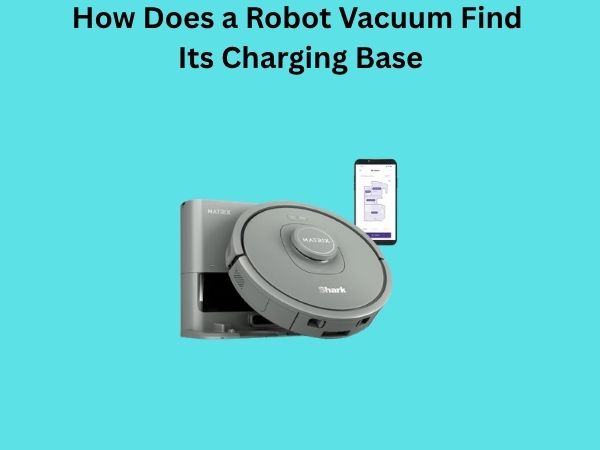
The battery life determines how much area the robot can clean on a single charge. Most robots will return to their base to recharge if they run out of power mid-clean. They then resume where they left off. For average-sized homes, 60-90 minutes of run time is usually plenty.
Maintenance: What to Expect
All robot vacuums require some maintenance. You’ll need to empty the dustbin regularly (unless you have a self-emptying model). You’ll also need to clean the brushes and filters. Mopping pads will need washing or replacing.
Filter Cleaning and Replacement
HEPA filters capture fine dust and allergens. They usually need to be cleaned monthly and replaced every 6-12 months. This is essential for maintaining good air quality. Many guidelines suggest this routine (EPA).
Brush Roll Care
Hair can get tangled around the main brush roll. You’ll need to cut it free periodically. Some robots have tangle-resistant brushes, which can help.
Your Robot Vacuum Mop Checklist
Here’s a quick rundown to help you decide:
- Flooring: Does it handle your carpet and hard floor mix?
- Navigation: Does it have smart mapping for efficient cleaning?
- Suction Power: Is it strong enough for your dirt and debris?
- Mopping: Does it offer adjustable water flow and effective pads?
- Convenience: Do you want self-emptying or self-cleaning features?
- Budget: Does the price fit comfortably within your spending plan?
Conclusion
You’ve learned how to pick the perfect robot vacuum and mop. Focus on your home’s flooring needs first. Then, look for smart navigation to ensure efficient cleaning. Don’t forget to check suction power and mopping effectiveness for your specific messes. Considering convenience features like self-emptying docks can also make a big difference. Use your new knowledge to make an informed choice. Your cleaner home awaits!
Frequently Asked Questions
How often should I empty the robot vacuum’s dustbin?
If your robot doesn’t have a self-emptying base, you’ll need to empty the onboard dustbin after each cleaning cycle. This ensures the robot has capacity for the next run. For households with pets or heavy debris, more frequent emptying might be necessary.
Can a robot mop clean up pet accidents?
Most robot vacuums with mopping capabilities can handle fresh liquid spills. However, heavily dried-on pet accidents or large messes might require manual cleanup first. Some advanced models have better stain-fighting features, but always check product specifications.
What’s the difference between random bounce and smart mapping navigation?
Random bounce navigation is less efficient, with robots moving in unpredictable patterns. Smart mapping uses sensors and cameras to create a detailed map of your home. This allows for systematic cleaning paths, ensuring better coverage and fewer missed spots.
Do I need to robot-proof my home before using a robot vacuum?
While some robots have advanced obstacle avoidance, it’s wise to do some preparation. Secure loose cords and remove small items like toys or socks from the floor. This prevents the robot from getting stuck or damaging your belongings.
How do I maintain the mopping pads?
For best results, clean the mopping pads after each use. Many models have washable pads that can be tossed in the washing machine. If your robot has a self-cleaning dock, it will handle this for you, often washing and drying the pads.