Stop Robot Vacuum Getting Stuck: Easy Fixes
You can keep your robot vacuum from getting stuck by making a few simple adjustments to your home. Most robot vacuums get stuck on cords, rugs with tassels, or tight spaces. Taking preventative steps helps your bot clean effectively without interruption. It’s all about setting up your space for success.
We know it’s frustrating when your little cleaning buddy gets trapped. Recurring snags mean your vacuum can’t finish its job. Our research shows that many common household items can become robot vacuum magnets. Addressing these potential hazards is key to a smooth cleaning experience.
- Clear cords and cables.
- Secure loose rug edges.
- Block off tight furniture gaps.
- Ensure good lighting.
- Check for small objects.
Let’s walk through the best ways to help your robot vacuum navigate your home freely and finish its cleaning cycles.
Here is the main body content for your blog post:Preventing Your Robot Vacuum from Getting Stuck
Your robot vacuum is a fantastic tool for keeping floors clean. But what happens when it gets caught on a stray cord or wedged under furniture? It stops cleaning and needs your rescue. We’ve found that simple home adjustments can prevent most common snags. This guide will walk you through how to set up your home for successful, uninterrupted cleaning.
Tackling Common Obstacles: Cords and Cables
Loose cords are a robot vacuum’s worst enemy. They can tangle around brushes and wheels, bringing your bot to a halt. Many experts say this is the most frequent cause of robot vacuum entrapment. It’s like a mini-Viking ship getting caught in a whirlpool of wires!
Securing Loose Wires
The easiest solution is to keep cords tidy. You can use cable ties or velcro straps. These are inexpensive and easy to find. They bundle cords together, making them less tempting for your vacuum to grab.
Another option is using cord covers or raceways. These stick to walls or floors. They hide cords completely. Your robot vacuum won’t even see them. This protects both your vacuum and your home from tripping hazards.
Raising or Rerouting Wires
Sometimes, you might need to lift cords off the floor. Think about power strips. Can you mount them higher? Perhaps on a wall or behind a cabinet? This gets them out of the vacuum’s path entirely. For less frequently used cables, simply unplugging them can help.
Rug Roulette: Preventing Tassel and Fringe Traps
Does your favorite rug have long tassels or fringes? These can easily get wrapped around your robot vacuum’s brushes. We’ve found this is a common headache for many robot vacuum owners. It’s like giving your vacuum a very unwanted, stylish scarf.
Tucking Away Rug Edges
The simplest fix is to tuck or secure loose rug edges. For smaller rugs, double-sided carpet tape can hold them down. This keeps the edges from flipping up or catching the vacuum.
Dealing with Fringes and Tassels
For rugs with fringes, you have a few choices. You can try tucking the fringes underneath the rug. This works best if the fringes are short. If they are long, they may still snag. Some people opt to remove fringes entirely. Others choose to use rugs without fringes for rooms where the robot vacuum operates.
Consider using a vacuum with a specific anti-tangle brush roll. Some newer models are designed to handle fringes better. Research shows these brushes have a different design to prevent fibers from wrapping.
Navigating Tight Spots and Furniture Gaps
Robot vacuums are designed to be low profile, but they can still get stuck under furniture. Low-slung couches or cabinets can become traps. Your bot might go under, try to clean, and then find it can’t get back out. It’s a classic “if you go in, you might not come out” scenario.
Blocking Off Problematic Areas
The easiest way to prevent this is to block access to these tight spots. You can use furniture risers to lift furniture slightly higher. This gives your vacuum enough clearance to get under and, importantly, get back out. We found that even an inch can make a difference.
Alternatively, you can create physical barriers. Small decorative blocks or even pieces of wood can be placed strategically. They stop the vacuum from entering these areas. Many robot vacuums also have companion apps. These apps let you set up virtual no-go zones. This is a super effective way to tell your bot to steer clear of specific areas.
Examining Furniture Clearance
Before you let your vacuum run, do a quick scan. Look under chairs and sofas. Can your hand fit comfortably underneath? If not, your vacuum likely can’t either. Measure the height of your vacuum. Then measure the clearance under your furniture. Ensure there’s a clear difference.
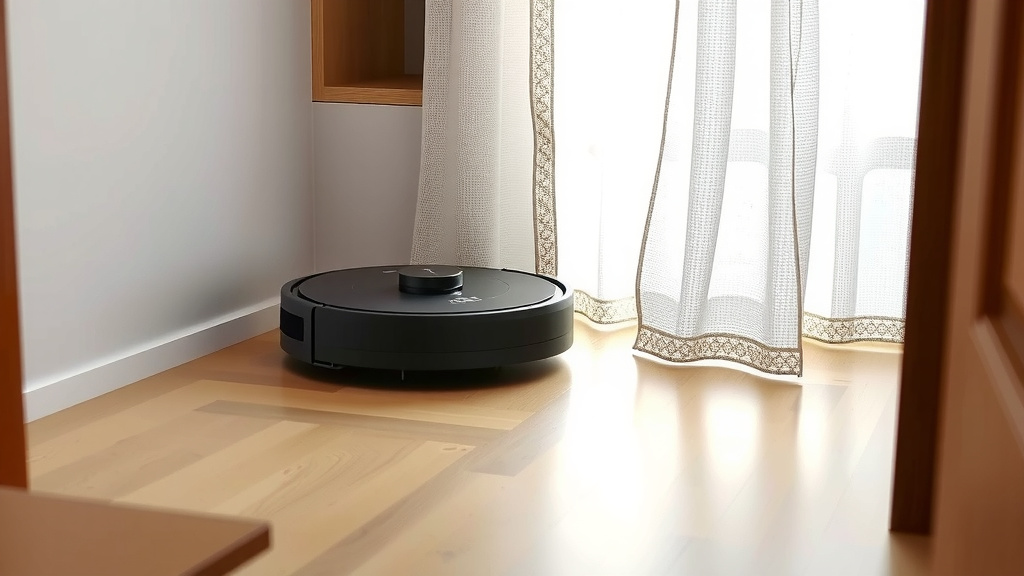
Lighting and Small Object Awareness
Believe it or not, light can affect how well your robot vacuum navigates. Many models use sensors to map their surroundings. If an area is too dark, sensors might struggle. This can lead to your vacuum getting confused and stuck.
Ensuring Adequate Lighting
Make sure the rooms your vacuum cleans have decent lighting. While they don’t need bright sunlight, a dimly lit room might pose a challenge. If you often run your vacuum at night, consider leaving a light on in the main areas.
Clearing Small Debris and Objects
Tiny items on the floor can also cause issues. Things like small toys, coins, or even errant socks can be ingested or jam the vacuum. We found that doing a quick sweep of the floor before starting the vacuum is helpful. It ensures there are no small items to cause trouble.
Think of it as a quick pre-flight check. You wouldn’t send a plane into the air without checking for debris. The same logic applies here. A few seconds of tidying can save you minutes of rescuing your robot.
Maintaining Your Robot Vacuum for Smooth Operation
Sometimes, the issue isn’t the home but the vacuum itself. A well-maintained robot vacuum performs better. This includes keeping its sensors clean and its brushes free of debris.
Cleaning Sensors Regularly
Your vacuum’s sensors help it detect edges and avoid obstacles. Dust and grime can accumulate on these sensors. This can make them less effective. We recommend wiping down the sensors with a soft, dry cloth regularly. Check your vacuum’s manual for specific instructions.
Checking and Cleaning Brush Rolls
Hair, string, and other debris can get wound around the brush rolls. This can reduce cleaning performance and even cause the vacuum to get stuck. Most robot vacuums come with a small tool for cutting away tangled debris. Make this part of your regular maintenance routine.
Ensuring a Clear Docking Station Area
Your robot vacuum needs a clear path to its charging dock. Obstacles around the dock can prevent it from returning home. Ensure the area is free of clutter. This allows your vacuum to reliably recharge and be ready for its next cleaning cycle.
Checklist for a Stuck-Free Robot Vacuum Experience
Here’s a quick checklist to help you set up your home for success:
- Cord Control: Bundle or hide all loose cables and cords.
- Rug Readiness: Secure rug edges and tuck away fringes.
- Space Check: Block access to tight furniture gaps or add risers.
- Object Patrol: Clear small items like toys and coins from the floor.
- Sensor Sweep: Wipe down your vacuum’s sensors for optimal navigation.
- Docking Duty: Keep the area around the charging station clear.
Conclusion
Keeping your robot vacuum from getting stuck is all about a little bit of home prep. You’ve learned how easily stray cords, rug fringes, and tight furniture spots can halt your cleaning. By securing wires, managing your rugs, and blocking off tricky areas, you create a clear path for your bot. Remember to also check for small objects and ensure good lighting. A few simple adjustments mean your vacuum can do its job efficiently. Take these steps today to enjoy a cleaner home with less interruption!
Frequently Asked Questions
What if my robot vacuum keeps getting stuck on the same rug?
If a particular rug is a recurring problem, first try tucking its edges underneath. For rugs with fringes, consider securing them with double-sided tape or even tucking them all the way under. If these methods don’t work, you might need to consider a rug without fringes for that area.
Can I teach my robot vacuum to avoid certain areas?
Yes, many robot vacuums come with companion apps that allow you to set up virtual no-go zones. This is a highly effective way to tell your vacuum to steer clear of specific furniture, pet bowls, or high-traffic areas where it frequently gets stuck.
How often should I check for cords and small objects?
It’s a good practice to do a quick scan for cords and small objects before each cleaning cycle, especially if you have children or pets. This quick check takes only a minute but can prevent your vacuum from getting tangled or jammed.
My robot vacuum gets stuck under my couch. What can I do?
If your vacuum frequently gets stuck under furniture like a couch, you have a few options. You can use furniture risers to slightly elevate the couch, giving your vacuum enough clearance to get under and back out. Alternatively, you can place physical barriers to prevent it from entering that space.
What if my robot vacuum gets stuck even after I’ve tidied up?
If your vacuum continues to get stuck despite your best efforts, check its sensors and brush rolls. Dust buildup on sensors can impair navigation, and tangled debris on brush rolls can hinder movement. Regular maintenance is key to smooth operation.