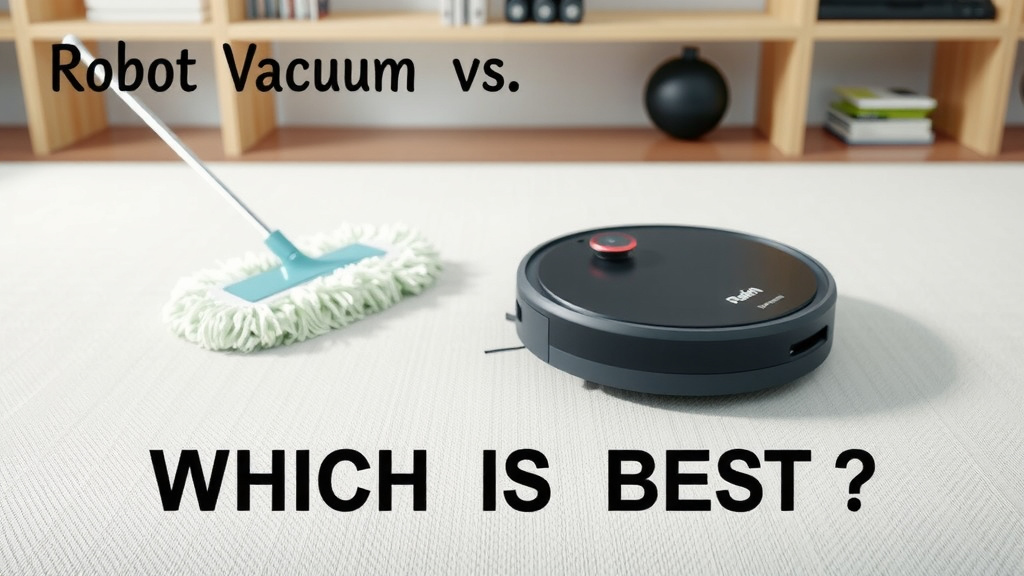
Robot Vacuum vs. Robot Vacuum Mop: Which is Best
Choosing between a robot vacuum and a robot vacuum and mop depends on your specific cleaning needs. A robot vacuum alone is great for daily debris pickup, while a vacuum and mop combo tackles both dry messes and wet spills for a deeper clean.
Many modern homes benefit from the convenience of automated cleaning. If your floors see a lot of traffic or you want that extra sparkle, a combo unit offers more comprehensive floor care. We found that the choice often comes down to the type of flooring you have and the level of cleanliness you desire.
- Robot vacuums handle dust, crumbs, and pet hair.
- Robot vacuum and mops add a wet cleaning function.
- Consider your flooring type for the best results.
- Combo units offer a deeper, more thorough clean.
- Daily tidying is best for standard vacuums.
Let’s break down what each type of robot cleaner can do for your home, and help you decide which one is the perfect fit for your busy life. Explore the best robot vacuum and mop combos for a versatile cleaning solution.
Robot Vacuums: Just for Dust or Something More?
When you’re looking at robotic cleaners, you might wonder if a standard robot vacuum is enough for your home. These machines are fantastic at **picking up everyday dust**, crumbs, and pet hair. Think of them as your tireless floor tidy-upper.
They work by using sensors to navigate your rooms. They map out the space and methodically clean. You can schedule them to run automatically. This means you wake up or come home to cleaner floors without lifting a finger.
The Basic Robot Vacuum: Your Daily Dirt Buster
A basic robot vacuum focuses solely on dry debris. It uses brushes to sweep dirt into its dustbin. The suction power pulls the debris up. This is perfect for households that need daily upkeep.
If you have hardwood floors or low-pile carpets, a standard robot vacuum does an excellent job. It keeps the floors looking neat between deeper cleans. Many people find that this level of cleaning is sufficient for their needs. It’s about maintaining a **consistent level of cleanliness**.
What a Standard Robot Vacuum Handles Best
- Daily dust bunnies
- Crumbs from snacks
- Pet hair on floors
- Light surface dirt
Robot Vacuum and Mop Combos: The Two-in-One Marvel
Now, what if your floors need more than just a sweep? This is where the robot vacuum and mop combo shines. It offers the convenience of vacuuming plus the power of mopping. It’s like having two cleaning robots in one.
These units can tackle both dry debris and wet messes. They are designed to handle spills and sticky spots. This makes them ideal for kitchens and dining areas. You get a **deeper, more thorough clean** with a combo unit.
How the Mopping Function Works
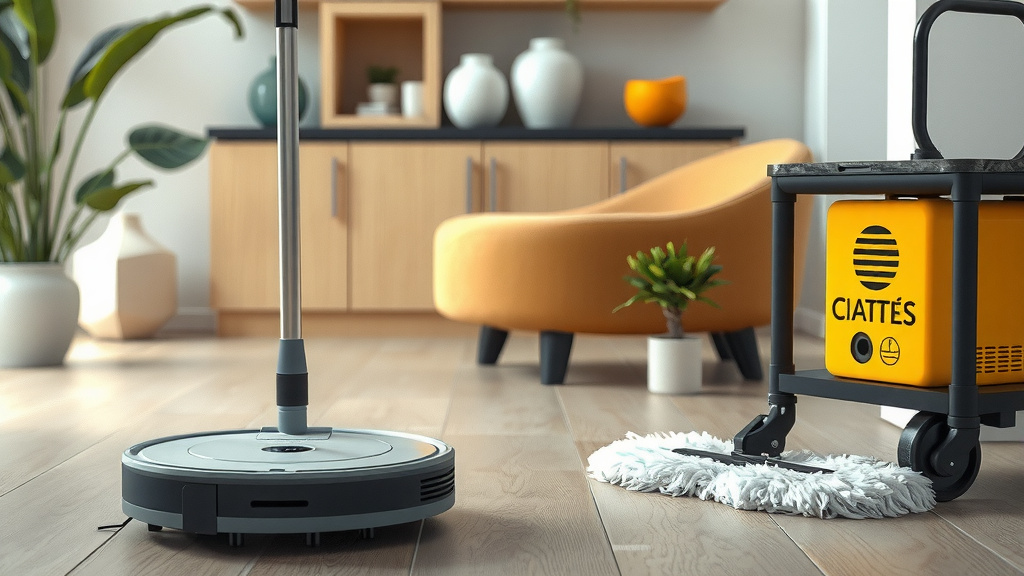
Robot vacuum and mop units typically have a water tank. They use this tank to dispense water or cleaning solution onto the floor. A mop pad or roller then scrubs the floor. Some advanced models can even lift their mop pads on carpets.
The effectiveness of the mopping can vary. Some models offer more pressure for tougher grime. Others provide a light surface wipe. It’s important to understand what level of mopping you need. A light mop might not handle dried-on mud.
When a Combo Unit is Your Best Friend
If you have hard floors like tile, laminate, or sealed wood, a combo unit is a game-changer. It can handle everyday dust and then follow up with a mopping pass. This means you can get your floors **sparkling clean** with minimal effort.
Families with young children or pets often benefit the most. Spills happen, and having a robot that can clean them up automatically is a huge relief. It’s a step beyond just vacuuming. It provides a truly refreshed floor surface.
Comparing the Cleaning Capabilities
| Feature | Robot Vacuum | Robot Vacuum and Mop |
|---|---|---|
| Dry Debris Pickup | Excellent | Excellent |
| Wet Spill Cleaning | No | Yes (varying effectiveness) |
| Stain Removal | No | Limited to moderate |
| Suitable Flooring | All types (hardwood, carpet) | Primarily hard floors; check carpet compatibility |
| Depth of Clean | Surface level | Deeper, multi-surface |
Choosing the Right Robot for Your Home
The biggest factor in your decision is your flooring. Do you have mostly carpets or mostly hard floors? Your answer will guide you. Consider the **level of cleanliness** you aim for.
Flooring Matters: Carpet vs. Hardwood vs. Tile
For homes with a lot of carpet, a standard robot vacuum is often sufficient. It will keep the carpets free of hair and dust. A combo unit might get its mop pad dirty on carpet if not designed to avoid it.
If your home is mostly hard floors, a vacuum and mop combo offers more. It can vacuum up debris and then mop away sticky spots. This is where you get that **extra shine and hygiene**.
What About Stubborn Stains?
It’s important to be realistic about mopping capabilities. These robots are not meant to replace deep scrubbing. They excel at maintaining cleanliness and handling light spills. For dried-on mud or very old stains, you might still need manual intervention.
Many experts suggest that combo units are best for **daily maintenance mopping**. They prevent dirt from building up. They keep your hard floors looking their best. Think of it as a smart way to stay ahead of chores.
Your Personal Cleaning Needs Checklist
Let’s see which robot might fit your life best. Ask yourself these questions:
- Do you have mostly carpets or hard floors?
- Do you often deal with wet spills or sticky messes?
- How important is daily floor cleaning to you?
- Are you looking for basic tidiness or a deeper clean?
- Do you want a two-in-one solution to save space and time?
- What is your budget for a robotic cleaner?
Conclusion
You’ve learned that the choice between a robot vacuum and a robot vacuum and mop comes down to your home’s specific needs. A standard robot vacuum is your go-to for keeping carpets and hard floors free of daily dust and pet hair. If you have mostly hard floors and crave an extra level of clean, the vacuum and mop combo offers that dual functionality. We found that both types provide incredible convenience. Think about your flooring and your desired cleanliness level. Then, you can confidently pick the robotic cleaner that will best serve your household.
Frequently Asked Questions
Can a robot vacuum and mop actually clean spills?
Yes, robot vacuum and mop combos can handle light spills and everyday messes. They use a water tank and a mop pad to scrub floors. However, they are not designed to tackle heavily soiled areas or dried-on mud. For tougher messes, you might still need to do some manual cleaning.
Will a robot vacuum and mop damage my carpets?
Most modern robot vacuum and mop units are designed to avoid carpets when mopping. Some can even lift their mop pads automatically. It’s important to check the product specifications for your chosen model. This ensures it has carpet detection or avoidance features.
How often should I run my robot vacuum or vacuum and mop?
For daily maintenance, running your robot daily or every other day is ideal. This prevents dirt and dust from building up. If you have pets or high-traffic areas, more frequent runs can be beneficial. Adjust the schedule based on how clean you want your floors to be.
Do I still need to mop manually if I have a robot vacuum and mop?
For most homes, a robot vacuum and mop provides excellent daily maintenance mopping. This helps keep hard floors looking their best and prevents dirt accumulation. However, for deep cleaning, scrubbing stubborn stains, or sanitizing, occasional manual mopping might still be necessary.
Are robot vacuums with mopping function more expensive?
Generally, robot vacuum and mop combo units are more expensive than basic robot vacuums. This is because they offer dual functionality. The added features, like water tanks and mopping mechanisms, contribute to a higher price point.