Robot Vacuum vs Stick Vacuum: Which Is Best
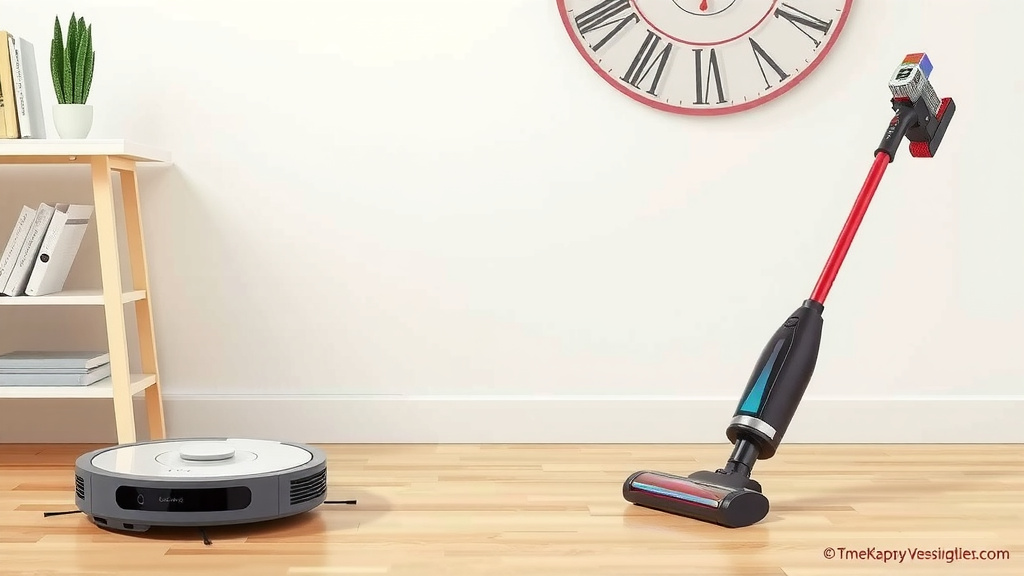
Deciding between a robot vacuum and a stick vacuum often comes down to your cleaning needs and lifestyle. If you prioritize convenience and automation for daily maintenance, a robot vacuum is likely your best bet. For quick cleanups and deeper cleaning of specific messes, a stick vacuum offers more direct control.
Both vacuum types aim to make keeping your floors tidy easier. Robot vacuums are fantastic for hands-off maintenance, tackling dust and debris while you’re busy. Stick vacuums provide powerful suction and portability for tackling those unexpected spills or larger cleaning tasks whenever you need them.
- Robot vacuums offer automation for daily floor cleaning.
- Stick vacuums excel at quick spot cleaning and powerful suction.
- Consider your cleaning frequency and need for manual control.
- Robot vacuums are great for busy schedules.
- Stick vacuums are good for targeted messes and versatility.
Let’s break down the differences and help you figure out which cleaning companion is the perfect fit for your home.
“`htmlRobot Vacuums vs. Stick Vacuums: Which is Right for Your Home?
Choosing between a robot vacuum and a stick vacuum really boils down to what you want in a cleaning tool. Do you dream of floors that clean themselves? Or do you prefer to be in charge, ready to tackle messes the moment they happen? We found that both have their strengths, and understanding these can make your decision much easier.
Think of it like this: a robot vacuum is like having a tiny, diligent helper who patrols your floors regularly. A stick vacuum is more like your trusty sidekick, always ready for action when you need it most. Let’s dive into what makes each one tick and how they might fit into your life.
Understanding the Core Differences
At their heart, robot vacuums and stick vacuums serve the same basic purpose: cleaning your floors. But they go about it in very different ways. This difference in approach is what makes one potentially better for your needs than the other.
Robot Vacuums: The Set-It-and-Forget-It Solution
Robot vacuums are designed for automation. You charge them up, set a schedule, and they go to work on their own. They navigate your home, using sensors to avoid obstacles and map out rooms. Many models can even return to their charging dock automatically when their battery runs low.
They excel at maintaining a baseline level of cleanliness. This means they are great for picking up daily dust, pet hair, and crumbs. If you have busy days or just dislike spending time vacuuming, a robot vacuum can be a lifesaver. We found that many users appreciate the hands-off convenience they offer.
How They Work
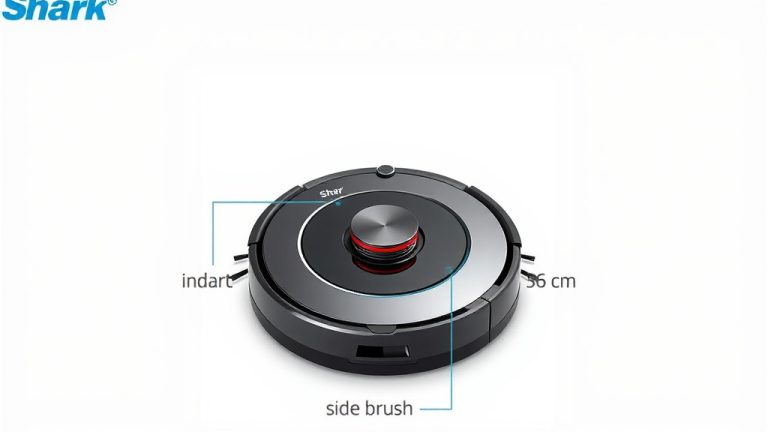
Most robot vacuums use spinning brushes to sweep debris into their path. Then, a suction motor pulls the dirt into a small dustbin. Advanced models use AI and cameras for smarter navigation, allowing them to avoid specific objects or clean certain areas more thoroughly. Some even come with mopping capabilities.
Best For…
Robot vacuums are ideal for homes with mostly hard floors or low-pile carpets. They’re perfect for busy individuals or families who want to keep floors tidy between deeper cleanings. If you have pets that shed frequently, a robot vacuum can make a big difference in managing that fur.
Stick Vacuums: Power and Portability in Your Hand
Stick vacuums are all about direct control and powerful suction. They are lightweight, cordless, and easy to maneuver. You hold them and guide them exactly where you want them to go. This makes them fantastic for quick cleanups and tackling specific messes.
Got a spill in the kitchen? Kids tracking dirt in from outside? A stick vacuum can be grabbed from its charging station in seconds and put to work. We found that their versatility is a major selling point for many homeowners. They can easily transition from floors to furniture or even car interiors.
How They Work
Stick vacuums typically use a strong motor to create powerful suction. Many are designed as ‘bagless’ vacuums, meaning dirt collects in a removable canister that you empty. Their slim design makes them easy to store, often hanging on a wall mount. Some can convert into handheld vacuums for even more flexibility.
Best For…
Stick vacuums shine when you need a quick, targeted clean. They are excellent for medium to high-pile carpets, where their strong suction can really dig in. If you have a lot of stairs or don’t want to rely on pre-programmed cleaning paths, a stick vacuum offers the immediate power you need.
Key Features to Consider
When you’re comparing these two types of vacuums, several features stand out. Thinking about these will help you match a vacuum to your specific cleaning habits and home environment.
Cleaning Performance
Robot vacuums are great for consistent maintenance. They can run daily, keeping dust and debris levels low. However, they may struggle with heavily soiled areas or deep-pile carpets. Stick vacuums, on the other hand, often provide more powerful suction for a more thorough clean in a single pass. Many experts suggest a stick vacuum for tasks requiring deep cleaning (Cleveland Clinic).
Convenience and Ease of Use
This is where robot vacuums truly shine. You can schedule them to clean while you’re out or asleep. Their automation means minimal effort from you. Stick vacuums are incredibly convenient for quick grabs and spot cleaning. They require your active participation but are often much faster to deploy for immediate needs.
Navigation and Smart Features
Robot vacuums are becoming increasingly sophisticated. Smart navigation systems help them cover more area efficiently and avoid getting stuck. They can often be controlled via a smartphone app, allowing you to set cleaning zones or no-go areas. Stick vacuums are simpler in this regard; their “smart” feature is that you’re in control of where they go.
Battery Life and Charging
Robot vacuums need enough battery to clean a good portion of your home on a single charge. Many will automatically return to their dock to recharge and then resume cleaning. Stick vacuums typically have shorter run times, often ranging from 20 to 60 minutes. You’ll need to ensure they are fully charged before tackling larger areas.
Maintenance and Capacity
Robot vacuums have small dustbins that need frequent emptying. Some advanced models have self-emptying bases, which greatly reduces maintenance. Stick vacuums usually have larger dustbins, but you’ll still need to empty them regularly. Brush rolls on both types can accumulate hair and debris, requiring occasional cleaning.
Making Your Final Choice: A Quick Checklist
To help you decide, consider these points. Ask yourself which scenario best describes your cleaning style and needs:
- Do you want a vacuum that cleans with minimal supervision?
- Is quick, targeted cleaning your top priority?
- How much time can you realistically dedicate to vacuuming each week?
- Do you have mostly hard floors or carpets, and what pile height?
- Are pet hairs a constant battle in your home?
- Do you prefer a hands-on approach or a set-it-and-forget-it system?
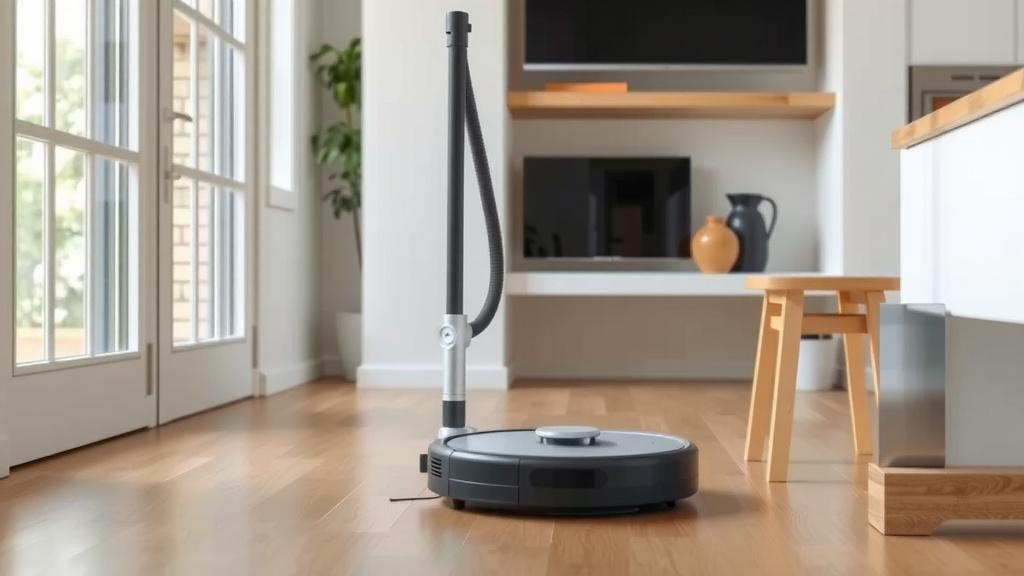
We found that for many people, the ideal solution might even be having both! A robot vacuum for daily upkeep and a stick vacuum for those deeper cleans or unexpected messes can provide the best of both worlds.
“`Conclusion
You’ve seen how robot vacuums offer hands-off daily maintenance, while stick vacuums provide powerful, immediate cleaning. Your choice depends on your priorities. If you value convenience and automation, a robot vacuum is your ally. For quick cleanups and deep dirt removal, a stick vacuum puts control in your hands. Many households find the best solution is actually using both, creating a balanced cleaning routine. Consider your lifestyle and floor types to make the right pick for a cleaner home.
Frequently Asked Questions
Can a robot vacuum really replace my regular vacuum?
A robot vacuum is excellent for daily upkeep, keeping dust and debris at bay. However, for deep cleaning carpets or tackling stubborn messes, it may not fully replace a more powerful stick or upright vacuum. Many users find they work best as a complementary tool.
Are robot vacuums smart enough to avoid stairs and obstacles?
Yes, most modern robot vacuums are equipped with sensors that help them detect ledges like stairs and avoid obstacles. They also use navigation technology to map your rooms and clean efficiently without getting stuck.
How long does a stick vacuum battery typically last?
Battery life for stick vacuums can vary, but you can generally expect between 20 to 60 minutes of cleaning time on a single charge. This is usually enough for quick cleanups or cleaning smaller homes, but larger areas might require recharging.
Which type is better for pet hair?
Both can be effective for pet hair. Robot vacuums can handle daily shedding, preventing buildup. Stick vacuums often have stronger suction that can pull embedded pet hair from carpets more effectively during a deeper clean. Consider models with specialized brush rolls designed for pet hair.
Do I need to do a lot of maintenance on these vacuums?
Both require some regular maintenance. You’ll need to empty their dustbins, and clean the brush rolls to remove tangled hair and debris. Robot vacuums with self-emptying bases reduce dustbin emptying frequency significantly.