Most Expensive Robot Vacuum: Top 2026 Models
When you’re wondering what the most expensive robot vacuum is, the answer often points to models packed with advanced features. While prices can fluctuate, high-end robot vacuums can easily cost over $1,500. These models usually boast superior navigation, powerful suction, and smart home integration.
You might be surprised by the price tags! These premium vacuums are designed for a hands-off cleaning experience. They offer solutions for busy households or those who simply want the best in home automation. We found that brands like Roborock and iRobot frequently top the list with their flagship products.
- The priciest robot vacuums can exceed $1,500.
- They offer cutting-edge navigation and suction power.
- Smart features like app control and self-emptying are common.
- Brands like Roborock and iRobot often have top-tier models.
- Your investment buys convenience and a deeper clean.
Let’s take a closer look at what makes these robot vacuums so costly and whether they might be the right fit for your home. Our guide to the best high-end robot vacuums and mops can help you find a top-tier model.
What Sets the Most Expensive Robot Vacuums Apart?
You might be curious about what makes certain robot vacuums cost a pretty penny. It’s not just about the brand name. The most expensive robot vacuums often come loaded with technology that aims to make cleaning your home almost entirely hands-off. We found that these premium models invest heavily in research and development. This means they pack more advanced features and deliver a more sophisticated cleaning experience.
Think of it like buying a luxury car. You’re paying for superior engineering, enhanced performance, and a whole lot of convenience. These high-end vacuums often use AI and advanced sensors. They navigate your home more intelligently. They also have stronger suction power. This helps them tackle tougher messes. It’s all about getting a deeper clean with less effort from you.
The Anatomy of a Premium Robot Vacuum
When you look at the priciest models, you’ll notice a common thread: advanced navigation systems. These are the brains behind how the robot vacuum maps your home and plans its cleaning path. Cheaper models might just bump around randomly. Premium ones, however, use sophisticated technology.
Advanced Navigation and Mapping
You’ll often find LiDAR (Light Detection and Ranging) or vSLAM (Visual Simultaneous Localization and Mapping) in these top-tier vacuums. LiDAR uses lasers to create a precise map of your home. vSLAM uses cameras. Both are remarkably accurate. We found that these systems allow the vacuum to learn your home’s layout. It can then clean more efficiently. It avoids getting stuck as often. It can even clean specific rooms.
LiDAR vs. vSLAM
LiDAR is known for its accuracy, especially in low light conditions. It spins around, sending out laser beams. The time it takes for them to bounce back tells the vacuum about the surroundings. We found that it creates very detailed floor plans. vSLAM uses a camera to “see” its environment. It identifies landmarks to build a map. Many experts say both are excellent. The choice often depends on the manufacturer’s tuning (IEEE Spectrum).
Superior Suction Power
Another key differentiator is suction strength. This is typically measured in Pascals (Pa). The higher the Pa number, the stronger the suction. While many vacuums offer decent suction, the most expensive ones often boast extremely high Pa ratings. We found that this makes a noticeable difference on carpets and for picking up fine dust. It can even lift pet hair embedded in the fibers.
Why High Suction Matters
More powerful suction means the vacuum can pull dirt and debris from deeper within your carpets. It’s also better at collecting smaller particles. This can be especially important for allergy sufferers. We found that a strong motor is a significant factor in achieving a truly deep clean. It’s not just about surface dirt anymore.
Smart Features and App Control
These high-end robot vacuums are packed with smart features. You’ll typically get robust mobile apps. These apps allow you to control almost every aspect of the vacuum’s operation. You can schedule cleanings. You can select specific rooms or zones to clean. You can even set up virtual no-go zones. This is super handy if you have certain areas you don’t want the robot to enter.
Integration and Automation
Many of these premium vacuums also integrate with smart home assistants like Alexa or Google Assistant. You can start, stop, or pause cleaning with just your voice. We found that this level of integration really enhances the “set it and forget it” appeal. Your home cleaning becomes part of your smart home ecosystem.
Self-Emptying and Self-Washing Stations
Perhaps one of the most significant drivers of price in the robot vacuum market is the addition of advanced docking stations. These aren’t just for charging anymore. They perform multiple tasks to extend the vacuum’s autonomy. Our guide to robot vacuums with advanced docking stations explains their benefits.
The Convenience of Self-Emptying
A self-emptying station is a game-changer. When the robot’s dustbin is full, it returns to its dock. The dock then sucks the debris out of the robot’s bin into a larger bag or container. This means you might only have to empty the dock’s bin every 30, 60, or even 90 days. We found that this is a huge time-saver. It also keeps your hands cleaner.
Self-Washing and Drying for Mop Combos
For robot vacuums that also mop, the most expensive models often come with stations that can wash and dry the mop pads. After mopping, the robot returns to the dock. The station washes the dirty mop pads. It then dries them to prevent mildew and odors. Some even refill the water tank for the next mopping session. We found that this feature significantly increases the price but also the convenience for those who want a truly automated mopping solution (CNET).
What About the Top Contenders?
When we research the highest-priced robot vacuums, a few brands consistently appear at the top. These brands are known for pushing the boundaries of what robot vacuums can do.
Roborock’s Flagship Models
Roborock frequently offers some of the most feature-rich and, consequently, expensive models. Their top-tier vacuums often include all the bells and whistles: advanced LiDAR navigation, incredibly strong suction, sophisticated app controls, and impressive self-emptying and self-washing docks. We found that their “Ultra” or “Pro” versions typically represent their highest price points.
iRobot’s Roomba High-End Series
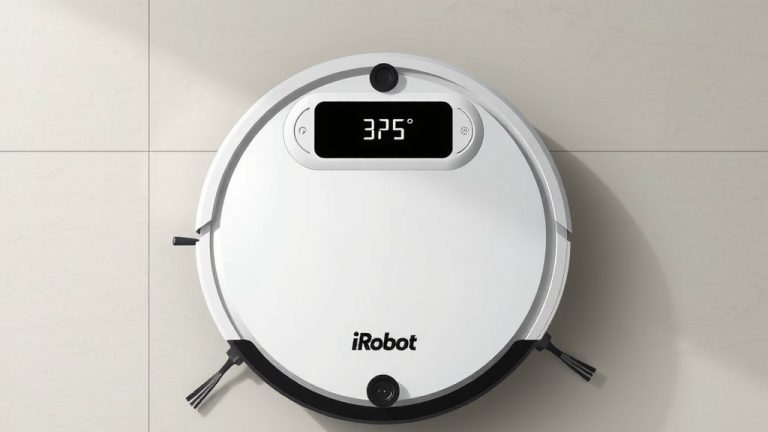
iRobot, a pioneer in the robot vacuum space, also has its premium offerings. Their Roomba s9+ or j7+ models, especially when paired with advanced Clean Base stations, can command a high price. They focus on intelligent navigation, powerful cleaning, and features like obstacle avoidance. We found that iRobot’s patented Dirt Detect technology is also a hallmark of their higher-end devices.
Other Premium Brands
While Roborock and iRobot are major players, other brands like Ecovacs and Dreametech also offer very high-end models that compete in the same price bracket. These often come with unique features or specialized technologies.
Is the Most Expensive Robot Vacuum Right for You?
So, when you see a robot vacuum costing over $1,000 or even $1,500, what are you really getting? You’re investing in the pinnacle of automated home cleaning technology. You get superior navigation, powerful cleaning, extensive customization through apps, and, often, very low-maintenance docking stations that handle emptying and even mop washing.
These vacuums are designed for people who want the absolute best in convenience and performance. They’re for busy households, pet owners dealing with significant shedding, or tech enthusiasts who love having the latest home automation. If you’re looking for a robot vacuum that truly minimizes your effort and maximizes cleaning power, the most expensive models deliver.
Here’s a quick checklist to see if a premium robot vacuum aligns with your needs:
- You want a cleaning solution that requires minimal intervention from you.
- You have pets with heavy shedding or want to tackle deep-down dirt and allergens.
- You appreciate advanced technology and smart home integration.
- You’re willing to invest more for ultimate convenience and cleaning performance.
- You have complex floor plans or multiple levels that benefit from precise mapping.
- You desire a vacuum that can also mop with self-cleaning capabilities.
Conclusion
You’ve seen that the most expensive robot vacuums represent the pinnacle of home cleaning technology. These premium devices offer unparalleled convenience and performance. They utilize advanced navigation, powerful suction, and smart features. Docking stations that self-empty and even wash mop pads further reduce your workload. If you seek a truly hands-off cleaning experience and have the budget, investing in a top-tier model can transform your home maintenance. Consider your specific cleaning needs and floor plan to decide if a premium robot vacuum is the right upgrade for you.
Frequently Asked Questions
Are the most expensive robot vacuums worth the high price tag?
For many, the convenience and advanced features justify the cost. You get superior navigation, stronger suction, and often self-emptying capabilities. This means less manual intervention for you. If you value your time and want the deepest clean with minimal effort, a premium model might be a worthwhile investment.
Do expensive robot vacuums really clean better than cheaper ones?
Yes, they generally do. Higher prices often correlate with better navigation systems like LiDAR, which map your home more precisely. They also tend to have stronger suction motors for tougher dirt and debris. Smart features and better build quality contribute to a more effective and efficient clean.
What specific features can I expect from a robot vacuum that costs over $1,500?
You can expect advanced LiDAR or vSLAM navigation, extremely high suction power (e.g., 5000 Pa or more), and robust app controls for custom cleaning zones. Many will include a self-emptying dock, and some high-end models also feature self-washing and drying mop stations for hybrid units.
How often do I need to empty the dustbin on a high-end robot vacuum with a self-emptying base?
With a self-emptying base, you typically only need to empty the larger dustbin in the dock every 30 to 90 days, depending on your home’s size and pet situation. The robot automatically transfers debris from its small internal bin to the dock’s larger container after each cleaning cycle.
Can the most expensive robot vacuums handle pet hair effectively?
Absolutely. Expensive robot vacuums are designed with powerful suction motors and advanced brush systems specifically to tackle pet hair. Their superior navigation also ensures they cover all areas thoroughly. Many come with specialized tools and settings for pet owners dealing with heavy shedding.