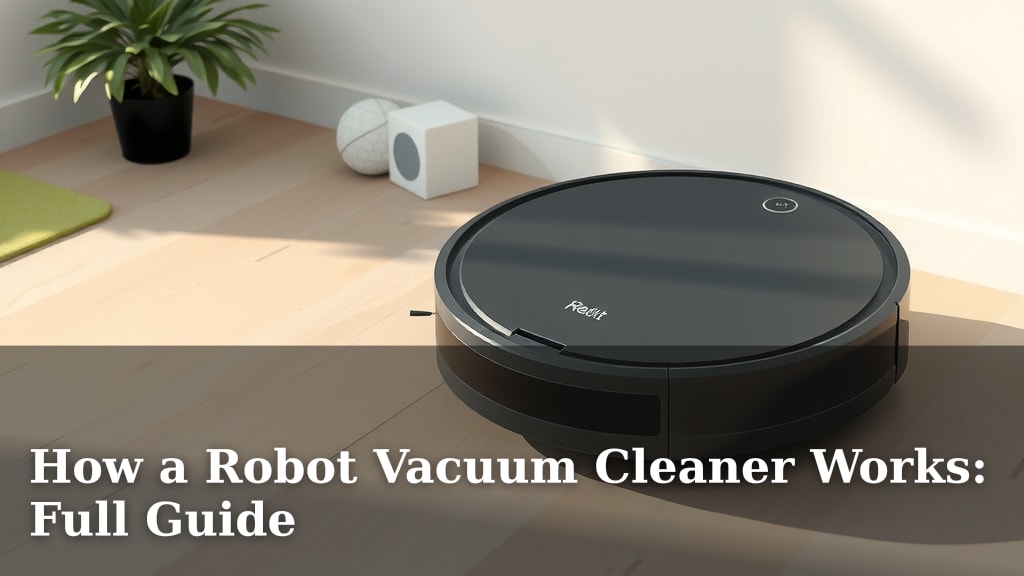
How a Robot Vacuum Cleaner Works: Full Guide
A robot vacuum cleaner works by using a combination of sensors, navigation systems, and intelligent cleaning paths to autonomously clean your floors. These smart devices map your home and avoid obstacles, making them a convenient way to maintain cleanliness without constant supervision.
We found that robot vacuums have become increasingly sophisticated. They can tackle various floor types, from hardwood to carpet, and many models offer scheduling and remote control via smartphone apps. This technology helps you save time and effort on daily chores.
- Robot vacuums clean floors automatically.
- They use sensors and smart navigation.
- Obstacles are avoided with intelligent mapping.
- Many can be controlled with your phone.
Let’s walk through exactly how these amazing machines operate, step by step.
Understanding Your Robot Vacuum’s Inner Workings
You’ve probably wondered how these little robots manage to zip around your house. They seem to have a mind of their own, don’t they? We found that understanding their technology makes them even more fascinating. It’s a clever mix of sensors, smart mapping, and efficient cleaning strategies. These machines are designed to take the chore out of vacuuming.
The Senses: How Your Robot Vacuum “Sees”
Robot vacuums rely heavily on sensors to navigate. Think of them as the robot’s eyes and ears. These sensors help it understand its surroundings. This is key to avoiding bumps and tumbles down stairs.
Obstacle Detection: Avoiding the Unexpected
Most robot vacuums have infrared or optical sensors. These are usually located on the front and sides. They detect walls, furniture, and other objects in their path. When a sensor detects an obstacle, it sends a signal to the robot’s brain. This tells it to change direction. We found that this prevents them from getting stuck. It also protects your furniture from dings.
Cliff Sensors: Staying Safely on the Ground
These are a lifesaver, literally! Cliff sensors are positioned on the underside of the robot. They detect drops, like stairs or ledges. If a sensor “sees” a drop, the robot immediately stops and backs away. This research is vital for safe operation. You can relax knowing your robot won’t take an unplanned dive. Many guidelines point to their importance for safety (Consumer Product Safety Commission).
Wall and Bumper Sensors: Gentle Encounters
Your robot might gently bump into walls or furniture legs. This isn’t a sign of poor navigation. It’s often a deliberate action by the bumper or specific sensors. These systems help the robot precisely determine the edge of an object. It allows for a more thorough clean along baseboards and around furniture legs.
Navigation and Mapping: The Brains of the Operation
Sensors gather information, but the navigation system puts it to use. This is how your robot learns your home’s layout. It plans the most efficient cleaning path. Different models use different methods.
Random Navigation: The “Bump and Turn” Method
Older or more basic models might use a random navigation pattern. They essentially bounce off walls and objects. They change direction when they hit something. While it gets the job done, it might miss spots. It can also take longer to clean an area. We found this method is less efficient for larger or complex rooms.
Systematic Navigation: Smart Mapping in Action
More advanced robots use sophisticated mapping technologies. This is where they really shine. They build a virtual map of your home as they clean.
Gyroscope and Accelerometer: Tracking Movement
These internal sensors help the robot understand its orientation and movement. They help it maintain a relatively straight line. This is like how your phone knows which way is up. It contributes to more orderly cleaning patterns. We found this improves coverage significantly.
Cameras and LiDAR: Creating the Map
Some robots use cameras to visually map your home. Others use LiDAR (Light Detection and Ranging). LiDAR uses lasers to measure distances and create a precise 3D map. This allows the robot to navigate more intelligently. It can create virtual “no-go zones” through an app. Many experts say LiDAR offers the most accurate mapping (IEEE Spectrum).
Once a map is created, the robot can clean your home much more efficiently. It knows where it has been and where it needs to go. This systematic approach ensures better coverage. It also reduces cleaning time.
The Cleaning Mechanism: How it Picks Up Dirt
Sensors and navigation get the robot where it needs to go. But how does it actually clean? It’s a combination of brushes and suction.
Main Brushes: Loosening Debris
Most robot vacuums have one or two main brushes underneath. These typically spin to agitate carpets and sweep debris from hard floors. Some brushes are a combination of bristles and rubber fins. This helps them handle different floor types effectively. We found that brush design greatly impacts cleaning performance.
Side Brushes: Reaching the Edges
You’ll usually see one or two small spinning brushes on the sides. These are crucial. They sweep dirt and debris from corners and along walls. They pull this debris towards the main brush and suction intake. This ensures that edges and corners get cleaned too. Without them, dirt would just accumulate there.
Suction Power: The Vacuum’s Draw
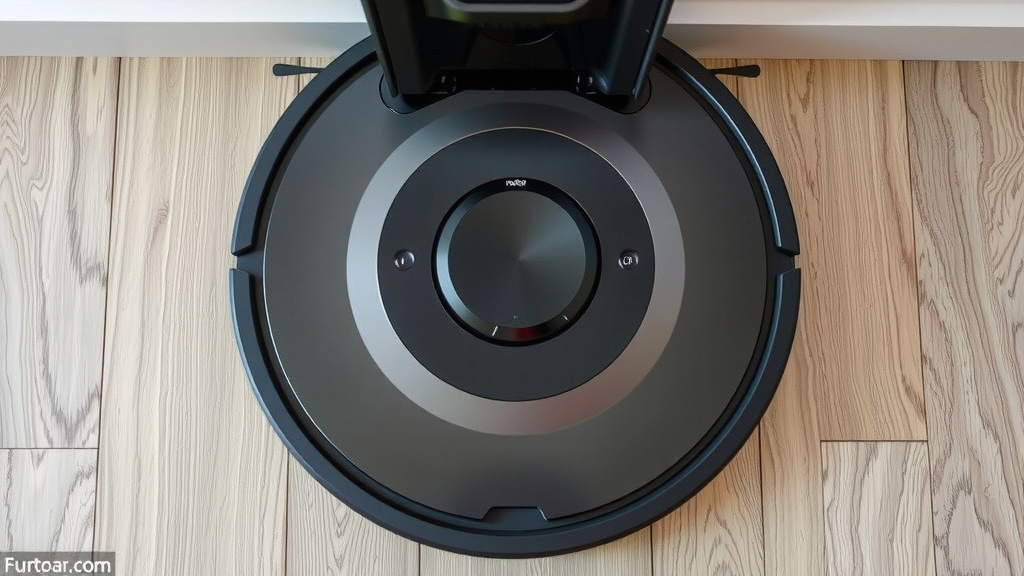
The spinning brushes push dirt towards the vacuum’s suction port. The motor creates suction to pull the dirt and debris into the dustbin. The strength of the suction motor is measured in Pascals (Pa). Higher Pa ratings generally mean stronger suction. This is important for picking up everything from dust bunnies to larger crumbs.
Dustbins and Filtration: Keeping the Air Clean
As the robot vacuums, it collects dirt in an onboard dustbin. These bins vary in size. Some models have self-emptying bases, which is a huge convenience. The air that passes through the robot is also filtered. Many use HEPA-style filters. These capture fine dust particles and allergens. This can be a big help for people with allergies. We found that regular filter cleaning and replacement is essential for optimal performance (Environmental Protection Agency).
The Smart Features: Beyond Basic Cleaning
Modern robot vacuums offer a lot more than just automated cleaning. They connect to your home Wi-Fi.
App Control and Scheduling
You can usually control your robot vacuum through a smartphone app. This lets you start, stop, or pause cleaning remotely. You can also set cleaning schedules. This means your robot can clean while you’re at work or asleep. Many apps show the cleaning map. You can even set virtual boundaries.
Voice Assistant Integration
Many robots work with voice assistants like Amazon Alexa or Google Assistant. You can simply tell your robot to start cleaning. “Hey Google, tell the robot to clean the living room.” It feels futuristic, doesn’t it?
A Quick Checklist for Your Robot’s Health
- Empty the dustbin regularly.
- Clean or replace the filters.
- Wipe down sensors with a dry cloth.
- Check brushes for tangled hair or debris.
- Ensure the charging dock is clear.
- Update the robot’s software when prompted.
So, there you have it! Your robot vacuum is a small marvel of engineering. It uses a sophisticated system of sensors, intelligent mapping, and effective cleaning tools. It’s all designed to keep your floors looking their best with minimal effort from you.
Conclusion
You’ve now seen the clever engineering behind your robot vacuum. From its array of sensors that help it perceive its surroundings to its smart navigation systems that map your home, these devices are truly automated cleaners. They combine effective brushes, powerful suction, and convenient smart features to keep your floors tidy. Understanding how they work means you can better maintain them and appreciate the technology that saves you time. For your robot to keep performing its best, remember to regularly clean its brushes and filters.
Frequently Asked Questions
Do robot vacuums actually clean well on carpet?
Yes, most robot vacuums are designed to clean carpet effectively. They use spinning brushes to agitate carpet fibers and lift dirt. Some models have specific settings for different carpet heights. Research and found that models with stronger suction power tend to perform better on thicker carpets.
How do robot vacuums avoid getting stuck on cords or small objects?
Many robot vacuums use a combination of sensors to avoid obstacles. Their bumper sensors and sometimes cameras help them detect and navigate around items. However, it’s still a good idea to tidy up cords and small toys before running your robot. This ensures a smoother cleaning experience.
Can robot vacuums climb over thresholds or door mats?
Most robot vacuums can handle small transitions, like the edge of a rug or a low threshold. Their wheels are designed to climb over minor obstacles. For higher thresholds or thick door mats, they might struggle. We found that checking the robot’s specifications for climbing height is helpful.
Why does my robot vacuum sometimes clean the same spot multiple times?
Some robot vacuums, especially those with random navigation, may revisit areas to ensure thorough cleaning. More advanced models with systematic mapping are less likely to repeat areas. If you notice excessive repetition, you might check if your robot’s sensors are clean or if its mapping software needs an update.
What’s the difference between a robot vacuum with a camera and one with LiDAR?
A robot vacuum with a camera uses visual information to navigate and map your home. LiDAR (Light Detection and Ranging) uses lasers to create a highly precise 3D map of your environment. Research suggests LiDAR generally offers more accurate mapping and navigation, especially in low light. Both help the robot clean more efficiently.