
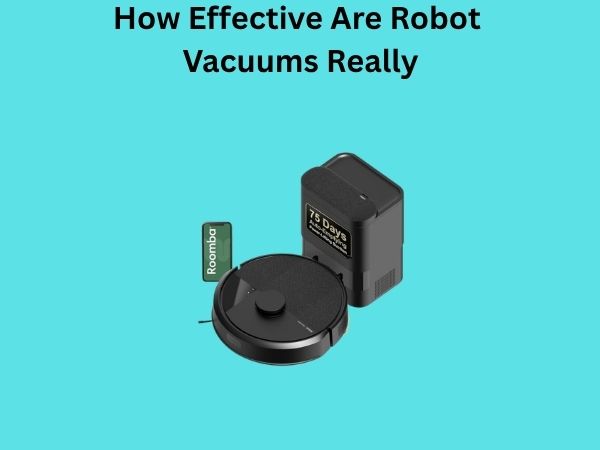
How Effective Are Robot Vacuums Really? A Comprehensive Guide to Modern Cleaning Technology
Have you ever stood in your living room and wondered if those sleek, disc-shaped devices zooming across your floor are actually worth the investment? I’ve asked myself the same question countless times. Robot vacuums have become increasingly popular over the past decade, but there’s a lot of hype surrounding them. Let me break down what these machines can and cannot do, so you can make an informed decision about whether one belongs in your home.
Understanding the Robot Vacuum Revolution
The concept of a self-cleaning floor might sound like something from a science fiction movie, but robot vacuums are very much a reality in today’s world. These autonomous devices have transformed the way many households approach cleaning. But here’s the thing—they’re not a magical solution that replaces traditional vacuuming entirely. Instead, they’re more like having a helpful assistant who works around the clock, handling the basic maintenance while you focus on other things.
Think of it this way: if a regular vacuum is your main meal, a robot vacuum is like the appetizer that keeps your appetite at bay between major feasts. They work best when they’re supplementing your cleaning routine, not replacing it entirely.
The Evolution of Cleaning Technology
Robot vacuums have come a long way since their introduction in the early 2000s. The first generation was clunky, inefficient, and often got stuck under furniture. Today’s models use advanced sensors, artificial intelligence, and sophisticated mapping technology to navigate your home with impressive precision. Some can even mop your floors, identify different room types, and create customized cleaning schedules.
How Do Robot Vacuums Actually Work?
To understand whether they’re effective, you need to know how they operate. Robot vacuums use a combination of sensors, brushes, and suction power to clean your floors. Most modern models feature LIDAR sensors or camera-based navigation systems that help them map out your living space and avoid obstacles.
The Cleaning Mechanism Explained
Inside a robot vacuum, you’ll typically find one or two rotating side brushes that sweep debris toward the center of the unit. A main brush then agitates the dirt and dust, loosening it from carpet fibers or hard floors. Finally, a suction system pulls everything into a dust container. It’s a straightforward process, but the effectiveness depends heavily on the quality of these components.
Navigation and Intelligence Systems
Premium robot vacuums use LIDAR technology—think of it as the robot’s eyes. This laser-based system creates a precise map of your home, allowing the vacuum to navigate efficiently without bumping into furniture. Budget-friendly models might rely on simple bump sensors instead, which means they clean in a more random pattern and take longer to cover the same area.
The Real-World Effectiveness of Robot Vacuums
Now let’s get to the heart of the matter: do they actually clean well? The answer is nuanced. Robot vacuums are effective for certain tasks and in certain environments, but they have definite limitations.
What Robot Vacuums Do Well
Here’s what you can genuinely expect from a quality robot vacuum:
- Regular maintenance cleaning of hard floors and low-pile carpets
- Picking up light dust, pet hair, and small debris on a daily basis
- Keeping your floors consistently cleaner between major cleaning sessions
- Operating quietly while you work, sleep, or relax
- Covering a large area efficiently when your home layout is open and uncluttered
- Reducing allergens in your home through consistent dust removal
If you have a relatively clean home with a simple layout, a robot vacuum can be surprisingly effective at maintaining that cleanliness level. Many users report that their homes stay noticeably cleaner with a robot vacuum running three to five times per week.
Where Robot Vacuums Fall Short
On the flip side, there are several situations where robot vacuums struggle:
- Thick, high-pile carpets often defeat their suction power
- Stairs are completely off-limits—they can’t climb up or down
- Cluttered rooms with many obstacles slow them down dramatically
- Pet hair tangling around brushes requires frequent maintenance
- Narrow spaces, corners, and edges often miss debris
- Wet spills and sticky messes can damage the unit
- Fine dust particles sometimes escape back into the air
If your home has multiple levels, thick carpeting, or a lot of floor clutter, a robot vacuum will be less effective for you than someone with a minimalist, single-level home.
Comparing Robot Vacuums to Traditional Vacuums
Let’s be honest: a robot vacuum isn’t going to match the deep-cleaning power of a quality upright or canister vacuum. Traditional vacuums generate significantly more suction power, and you can use them on stairs, furniture, and under beds with ease. However, robot vacuums excel at something traditional vacuums can’t do—they work automatically without any effort from you.
Suction Power and Cleaning Depth
Most traditional vacuums operate at 150 to 250 air watts of suction power. Quality robot vacuums typically range from 1000 to 4000 Pa (Pascal units, a measurement of pressure). While these numbers sound impressive, they don’t directly translate to the same cleaning capability as a traditional vacuum. The smaller brush head and lower overall airflow mean robot vacuums clean the surface effectively but don’t penetrate carpet fibers as deeply.
Coverage and Consistency
Here’s where robot vacuums shine. A traditional vacuum requires you to push it around your entire home, which most of us do on a weekly basis. A robot vacuum can run several times per week automatically, maintaining consistent cleanliness throughout the month. This constant, gentle maintenance often results in a cleaner home overall, even if each individual pass isn’t as thorough.
Factors That Determine Robot Vacuum Effectiveness
Not all robot vacuums are created equal. Several factors dramatically impact how well a specific model will work in your home.
Floor Type and Layout
Your home’s layout is perhaps the single most important factor. Open-concept homes with minimal obstacles allow robot vacuums to work efficiently. If your space is compartmentalized with numerous doorways and different room types, the robot will need to identify these transitions and clean each area appropriately. Homes with multiple levels are automatically less suited to robot vacuums since they can’t navigate stairs.
Debris Type and Pet Hair
Robot vacuums handle light dust and small debris remarkably well. However, if you have pets that shed heavily or kids who create significant messes, you’ll find yourself clearing tangled hair from the brush roll frequently—sometimes weekly. Large chunks of debris, crumbs, and other substantial waste can occasionally jam the system.
Carpet Thickness and Material
Low-pile carpets and hard floors are ideal for robot vacuums. Plush carpeting, shag rugs, and thick area rugs significantly reduce their effectiveness. The motor has to work much harder, batteries drain faster, and the cleaning depth suffers. If your home is predominantly hard flooring with some low-pile carpet, a robot vacuum will work well. If you have extensive thick carpeting, you’ll be disappointed.
Room Clutter and Furniture Density
Minimalist interiors are a robot vacuum’s dream. Homes stuffed with furniture, scattered toys, and cluttered floors present constant challenges. The robot will waste time navigating around obstacles and might even get stuck. To maximize effectiveness, you’ll need to declutter your floors regularly, which somewhat defeats the purpose of having an automated cleaning solution.
Battery Life and Run Time Considerations
Most robot vacuums operate on rechargeable lithium-ion batteries that last between 90 minutes and two hours per charge. For a typical 2000-square-foot home, this usually provides sufficient runtime to complete a full cleaning cycle. However, if your home is larger or your layout is inefficient, the vacuum might dock itself before finishing, requiring multiple cleaning sessions.
Smart Docking and Auto-Return Features
Quality robot vacuums automatically return to their charging dock when the battery runs low. Some advanced models can resume cleaning exactly where they left off after recharging. This feature is incredibly convenient and allows the vacuum to handle larger homes through multiple partial cleaning sessions.
Smart Features and App Control
Modern robot vacuums have evolved beyond simple automatic cleaners. Many now include smartphone app control, voice assistant integration, and sophisticated scheduling capabilities. You can start a cleaning session from anywhere, set no-go zones to keep the vacuum out of certain areas, and create detailed cleaning maps of your home.
Mapping and Room Recognition
Premium models use advanced mapping to recognize individual rooms and create cleaning schedules specific to each space. You might set the living room to clean daily but the bedroom only twice weekly. Some vacuums can even identify when certain areas need more frequent attention. This intelligent approach to cleaning adds genuine value and improves overall effectiveness.
Noise Levels and Scheduling
Robot vacuums are significantly quieter than traditional vacuums—typically operating between 60 and 80 decibels. This allows you to run them while working, sleeping, or spending time with family. You can schedule cleaning sessions for early morning, afternoon, or late evening, fitting your preferences and lifestyle.
Maintenance Requirements for Optimal Performance
Here’s something people often overlook: robot vacuums require regular maintenance to stay effective. They’re not truly “set and forget” devices. You’ll need to:
- Empty the dust container after each cleaning session
- Clean the main brush at least weekly to prevent hair tangles
- Wipe sensors periodically to ensure accurate navigation
- Check for stuck debris or malfunctioning parts monthly
- Clear your floors of small obstacles that might trap the unit
- Replace filters and brushes according to manufacturer recommendations
The maintenance burden varies by model and household conditions. Pet owners might spend 10 to 15 minutes per week on upkeep, while others might only need 5 minutes monthly. This is still significantly less time than traditional vacuuming, but it’s important to factor into your expectations.
Cost Analysis: Are Robot Vacuums Worth the Investment?
Robot vacuum prices range from $200 for basic models to over $1000 for premium units with advanced features. When deciding if one is worth buying, consider your household situation.
Budget-Friendly Options
Entry-level robot vacuums under $300 can be effective for small apartments and homes with simple layouts. They lack advanced navigation, have shorter battery life, and often require more manual intervention. However, they still provide value by handling basic daily cleaning and reducing dust accumulation.
Mid-Range Models
Vacuums in the $400 to $700 range offer the sweet spot for most households. They feature decent suction power, LIDAR navigation, and smartphone connectivity. These models handle medium-sized homes effectively and provide good reliability without excessive features you’ll never use.
Premium Units
High-end robot vacuums priced above $800 include advanced mapping, mopping capabilities, superior suction, and extensive customization options. They’re ideal for larger homes, multiple-pet households, and people who want the absolute best in convenience and cleaning performance.
Real-Life Scenarios: When Robot Vacuums Truly Excel
To help you envision whether a robot vacuum would actually improve your life, let me walk through some realistic scenarios.
The Busy Professional Scenario
Meet Sarah, a marketing manager with a small one-bedroom apartment, hardwood floors, and minimal furniture. She works long hours and hates vacuuming. A robot vacuum running three times weekly keeps her apartment consistently clean without requiring any effort from her. She loves coming home to fresh floors and considers her $300 investment completely worthwhile.
The Pet Owner Challenge
Now consider Michael, who has two dogs and a 2000-square-foot home with mixed flooring. His shedding issues mean the robot vacuum’s brush gets tangled frequently, requiring weekly maintenance. While the vacuum helps reduce pet hair accumulation, he still needs to use his traditional vacuum monthly for deep cleaning. Michael finds it helpful but not transformative because the maintenance overhead offsets some convenience benefits.
The Multi-Level Home Obstacle
Jennifer lives in a three-story townhouse with stairs and thick carpet throughout. A robot vacuum simply can’t serve her needs effectively. She can only use it on her main floor, and even there, the thick carpet reduces its effectiveness. For her situation, a robot vacuum isn’t worth the investment since it addresses only a small portion of her cleaning needs.
Tips to Maximize Robot Vacuum Effectiveness
If you decide to get a robot vacuum, here are practical strategies to get the most from your investment:
- Keep floors clear of clutter and small objects that could jam the unit
- Maintain a consistent cleaning schedule to prevent excessive dirt accumulation
- Create virtual boundaries using the app’s no-go zone features for problem areas
- Clean the brush roll weekly, or more frequently if you have pets
- Empty the dust container after every cleaning session to maintain suction power
- Ensure the robot can access its charging dock without obstacles
- Use supplementary vacuuming for stairs, thick carpets, and periodic deep cleaning
- Position the dock in a central, easily accessible location
- Keep the robot’s sensors clean for optimal navigation accuracy
The Future of Robot Vacuum Technology
The robot vacuum industry continues evolving rapidly. Upcoming innovations include improved obstacle detection, better handling of stairs through special ramps, enhanced mopping capabilities, and even more sophisticated artificial intelligence. As technology advances, these devices will likely become more effective and capable of handling increasingly complex home environments.
Conclusion
So, are robot vacuums effective? The honest answer is: it depends on your specific situation. For people living in single-level homes with open layouts, hard floors or low-pile carpet, minimal clutter, and a desire for convenient daily cleaning maintenance, robot vacuums can be genuinely effective and worthwhile. They excel at consistent, hands-free surface cleaning and can significantly reduce dust and allergens in your home.
However, if you live in a multi-level home, have extensive thick carpeting, maintain a cluttered living space, own shedding pets, or expect deep cleaning power equivalent to traditional vacuums, a robot vacuum will prove disappointing. These devices work best as a supplement to traditional vacuuming, not a replacement.
The key to satisfaction is matching your expectations to reality. Robot vacuums are wonderful tools that can save you time and effort—but only if your home environment and lifestyle align with their strengths. Take an honest look at your situation, consider your priorities, and decide whether the convenience factor justifies the investment for your household. For many people, it absolutely does; for others, it’s better to stick with traditional cleaning methods. The answer isn’t universal—it’s personal.
Frequently Asked Questions
Can robot vacuums handle pet hair effectively?
Robot vacuums can pick up pet hair from floors reasonably well, but they require regular maintenance. Pet hair tends to wrap around the main brush, so you’ll need to clean it weekly or more frequently if you
![7 Best Bare Floor Robot Vacuum [2026]](https://robotvacuumfact.com/wp-content/uploads/2026/07/7-best-bare-floor-robot-vacuum-2026-featured-768x432.jpg)
![7 Best Ai Robot Vacuum And Mop [2026]](https://robotvacuumfact.com/wp-content/uploads/2026/06/7-best-ai-robot-vacuum-and-mop-2026-featured-768x432.jpg)