Cordless Vacuum vs Robot Vacuum: Pros, Cons & Real-Life Comparison
When it comes to keeping your home clean without the hassle of traditional corded vacuums, you’ve got two major players in the game: cordless vacuums and robot vacuums. But here’s the thing—they’re not interchangeable. One might be perfect for your lifestyle, while the other could turn out to be a waste of money. So how do you choose between them?
I’m going to walk you through everything you need to know about both options, breaking down the real-world advantages and disadvantages so you can make an informed decision that actually fits your home and your needs.
Understanding the Difference Between Cordless and Robot Vacuums
Before we dive into the nitty-gritty comparisons, let’s clarify what we’re actually talking about. A cordless vacuum is a handheld or upright cleaning device powered by rechargeable batteries that gives you complete control. You grab it, you use it, you put it away. It’s basically a traditional vacuum without the cord tethering you to an outlet.
A robot vacuum, on the other hand, is an autonomous machine that navigates your floors on its own. You set it loose, and it bumps around (sometimes intelligently, sometimes not so much) picking up dirt and dust. Think of it as hiring a tiny cleaning robot that works independently while you do literally anything else.
Cordless Vacuums Explained
What Makes Cordless Vacuums Stand Out
Cordless vacuums have become incredibly popular in recent years, and for good reason. They’ve evolved from being weak alternatives to full-powered machines that can rival traditional corded models. Modern cordless vacuums use advanced lithium-ion batteries that deliver impressive suction power while staying lightweight.
The beauty of a cordless vacuum is the freedom it gives you. You’re not limited by a cord’s length, and you don’t have the annoying ritual of plugging and unplugging as you move from room to room. You can quickly clean up messes, reach high places like ceiling corners and ceiling fans, and even clean your car interior without any hassle.
Key Advantages of Cordless Vacuums
- Complete Control: You decide when to vacuum, where to vacuum, and how long to vacuum. No automation means no surprises.
- Powerful Suction: Premium cordless models deliver suction comparable to full-sized corded vacuums, giving you real cleaning power.
- Portability: They’re genuinely lightweight and easy to carry up stairs, into cars, or to clean furniture.
- Versatility: Most cordless vacuums come with attachments for stairs, upholstery, and tight spaces.
- Instant Results: You see immediate cleaning results because you’re actively engaged in the process.
- No Setup Required: Unbox it, charge it, and start cleaning. There’s no complicated mapping or installation.
- Works on All Surfaces: From hardwood to carpet to tile, cordless vacuums handle everything.
The Downsides of Cordless Vacuums
- Battery Life Limitations: Even premium models typically run for 20-60 minutes before needing a recharge.
- Requires Physical Effort: You’re doing the work. If you have mobility issues or just hate vacuuming, this is a drawback.
- Arm Fatigue: Holding a heavy cordless vacuum overhead for extended periods can tire you out.
- Time Investment: You have to actively spend time cleaning, which might not work with a busy schedule.
- Battery Degradation: Over time, batteries lose capacity and may need replacement (which isn’t cheap).
- Higher Upfront Cost: Quality cordless models are expensive, ranging from several hundred to over a thousand dollars.
Robot Vacuums Explained
How Robot Vacuums Actually Work
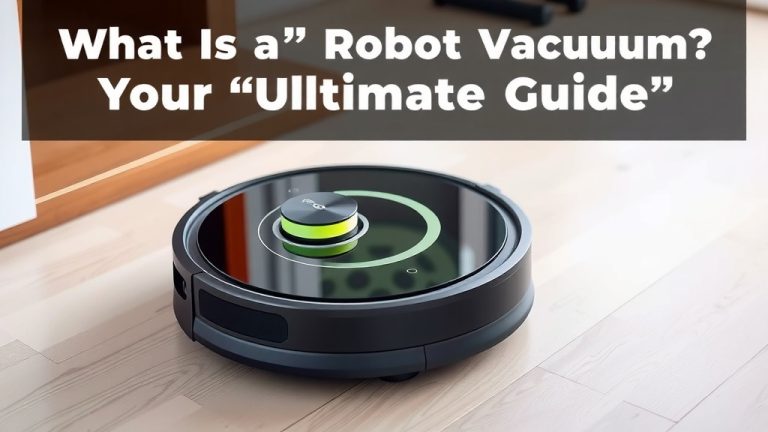
Robot vacuums are essentially small, disc-shaped machines that automatically navigate your floors while you’re doing something else. They use sensors, cameras, or LIDAR technology to map your home and avoid obstacles. You set them loose, and they run on a schedule or whenever you command them to start.
Modern robot vacuums have become remarkably intelligent. High-end models can create detailed maps of your home, avoid stairs automatically, and return to their charging dock when the battery runs low. It’s like having a tiny maid that works 24/7 if you want it to.
Key Advantages of Robot Vacuums
- Hands-Off Cleaning: Set it and forget it. You don’t have to do anything except let it run.
- Scheduled Cleaning: Program it to clean while you’re at work, asleep, or out running errands.
- Continuous Maintenance: With regular schedules, you maintain a cleaner home throughout the week without effort.
- Smart Home Integration: Connect to your smartphone or smart speakers for remote control and scheduling.
- Pet-Friendly Option: Some models are excellent for managing pet hair throughout the day.
- Space Saving: They’re small and dock in a compact charging station, not taking up much space.
- Great for Busy People: Perfect for those with demanding schedules who can’t find time to clean.
- Perfect for Hard Floors: Exceptional at keeping hard floors consistently clean with minimal effort.
The Real Drawbacks of Robot Vacuums
- Limited Suction Power: Even premium robot vacuums can’t match the raw power of a good cordless model.
- Poor Carpet Performance: They struggle with thick carpets and often can’t pick up larger debris.
- Can’t Reach Everywhere: They can’t clean stairs, under furniture (unless it’s high enough), or tight spaces.
- Unpredictable Paths: Even smart models sometimes miss spots or take inefficient routes.
- Requires Clear Floors: You need to remove toys, cables, and items from the floor, or the robot gets stuck.
- Stairs Are Impossible: If your home has multiple levels, you’ll need multiple robots or still clean stairs manually.
- High Initial Investment: Quality robot vacuums are expensive, and good ones often cost more than premium cordless models.
- Maintenance Issues: You still need to empty the dustbin frequently and clear tangled hair from the brush regularly.
- Limited Battery Life per Charge: Most clean for 60-120 minutes, which might not be enough for large homes.
Direct Comparison: Which Is Better for Different Situations?
For Households with Stairs
Here’s where cordless vacuums absolutely dominate. If your home has stairs, a robot vacuum simply won’t cut it. Robot vacuums can’t climb stairs (at least not yet), so you’d need to carry the robot up manually and run it on each level separately. A cordless vacuum, meanwhile, handles stairs beautifully and quickly. You just carry it up, vacuum, and move on. Easy.
For Pet Owners
This one depends on your situation. If you have just a dog or two that shed moderately, a robot vacuum on a regular schedule is excellent for maintaining cleanliness throughout the week. However, if you have heavy shedding or multiple pets, you might find a robot vacuum gets clogged constantly. A cordless vacuum gives you more immediate control and power for tackling pet hair in problematic areas.
For Large Homes
Large homes present a challenge for both. A cordless vacuum’s battery might run out before you’re done (unless you’ve got a premium model with extended runtime). A robot vacuum will need much longer to cover everything and might require multiple cleaning sessions. The advantage goes slightly to robot vacuums if you schedule them daily, as they’ll maintain cleanliness even if they can’t do the entire home in one run.
For Apartments and Small Spaces
Small living spaces actually favor robot vacuums. They work efficiently in smaller areas and the “set and forget” aspect is perfect for apartment dwellers who don’t want to spend time cleaning. A cordless vacuum is also fine but feels slightly like overkill for the space.
For Hardwood and Tile Floors
If your home is primarily hardwood and tile, a robot vacuum is arguably the better choice. These surfaces show dirt immediately, and a robot vacuum can run daily to keep them pristine. Cordless vacuums work fine too, but they feel more suited to people who want to clean when they see a mess rather than maintain constant cleanliness.
For Thick Carpets
Cordless vacuums win decisively here. Robot vacuums really struggle with plush carpeting, especially when debris is embedded deep. A cordless vacuum’s stronger suction and ability to adjust height settings make it far superior for deep carpet cleaning.
Cost Comparison and Value for Money
Let’s talk about what you’ll actually spend. A quality cordless vacuum typically ranges from $300 to $750, with premium models reaching $1,000. A decent robot vacuum starts around $200 but good ones are usually $500 to $1,000 or more.
Here’s the financial reality: both are significant investments. However, the cordless vacuum offers more flexibility and power, while the robot vacuum offers convenience and hands-off operation. Your budget and lifestyle determine which offers better value for your specific situation.
Don’t forget to factor in battery replacement costs. Cordless vacuums typically need new batteries after 3-5 years, which can cost $100-$300. Robot vacuums have similar battery costs and might need brush replacements and other maintenance.
Maintenance and Longevity
Cordless Vacuum Maintenance
Maintaining a cordless vacuum is straightforward. Empty the dustbin regularly, wash or replace filters monthly, and occasionally clean the brush roll to remove tangled hair. The main wear item is the battery, which will eventually lose capacity and require replacement. Quality cordless vacuums last 5-10 years with proper care.
Robot Vacuum Maintenance
Robot vacuums require a bit more attention. You need to empty the dustbin every few days (they’re smaller than cordless models), clean the brush roll frequently to prevent hair tangles, and occasionally clean sensors. You’ll also need to keep your floors clear of obstacles to prevent the robot from getting stuck. With good maintenance, robot vacuums last 5-7 years.
Noise Levels and Disturbance
Cordless vacuums are typically louder, ranging from 75-85 decibels. They’re comparable to traditional vacuums, so if you’re sensitive to noise, you’ll notice it.
Robot vacuums are generally quieter, operating around 60-75 decibels. Many people find the sound less intrusive, which is one reason they work well for daytime cleaning schedules.
Environmental Impact
Both options have environmental considerations. Cordless vacuums consume energy when charging but have a smaller physical footprint. Robot vacuums run frequently and consume more total energy, especially if you run them daily. Neither is particularly eco-friendly when you factor in battery production, but both are better than constantly replacing disposable vacuum bags.
The Hybrid Approach: Why Many People Choose Both
Here’s something that might surprise you: many households actually benefit from owning both a cordless and robot vacuum. The robot vacuum handles daily maintenance on hard floors and low-pile carpets, keeping your home consistently clean. The cordless vacuum handles deep cleaning, stairs, upholstery, and when you need powerful, focused cleaning power.
Think of it this way: the robot vacuum is your cleanliness maintenance crew, and the cordless vacuum is your deep-cleaning specialist. Together, they cover each other’s weaknesses.
Making Your Final Decision
Choose a Cordless Vacuum If:
- Your home has multiple levels with stairs
- You have thick carpeting throughout
- You prefer active, immediate control over your cleaning
- You want maximum suction power and versatility
- You don’t mind spending 20-30 minutes vacuuming weekly
- You have furniture that needs regular upholstery cleaning
- You want the flexibility to clean whenever you notice a mess
Choose a Robot Vacuum If:
- Your home is mostly one level with hard floors or low-pile carpet
- You’re extremely busy and can’t find time for regular vacuuming
- You want a hands-off solution for daily maintenance cleaning
- You have a smaller home or apartment
- You prefer to schedule cleaning during specific times (like when you’re at work)
- You want the novelty and convenience of autonomous cleaning
- You have mostly hard surfaces to clean
Conclusion
Here’s the honest truth: there is no universally better option between cordless and robot vacuums. The “winner” entirely depends on your home’s layout, your cleaning habits, your schedule, and your priorities.
Cordless vacuums offer superior cleaning power, versatility, and control. They’re perfect for anyone with stairs, thick carpets, or who simply enjoys having full command over their cleaning process. If you value immediate results and don’t mind spending some active time on household maintenance, a cordless vacuum is an excellent investment.
Robot vacuums offer unmatched convenience and the satisfaction of coming home to a freshly cleaned floor that you didn’t have to touch. They’re ideal for busy professionals, people with mobility limitations, and anyone with primarily hard flooring who wants consistent, hands-off cleaning.
The real secret? Many households find that having both options available actually provides the best of both worlds. The robot handles routine maintenance, and the cordless tackles the deep work. But if you must choose just one, consider your home’s layout and your lifestyle first, and the choice will become clear.
Frequently Asked Questions
Can a robot vacuum work on stairs?
No, robot vacuums cannot climb stairs independently. They have sensors that detect stairs and will stop before the edge to avoid falling. If your home has multiple levels, you would need to manually carry the robot vacuum upstairs and run it separately on each level, which defeats the purpose of owning a hands-off cleaning device. Cordless vacuums handle stairs easily and quickly.
How long does a cordless vacuum battery last before it needs replacement?
Most cordless vacuum batteries are designed to maintain at least 80% of their capacity for about 3-5 years with regular use. After this period, you’ll notice decreased runtime, and the battery will eventually need replacement. A replacement battery typically costs between $100 to $300, depending on the brand and model. This is an important maintenance cost to factor into your long-term budget.