Lefant Robot Vacuum vs Roomba: Which is Better?
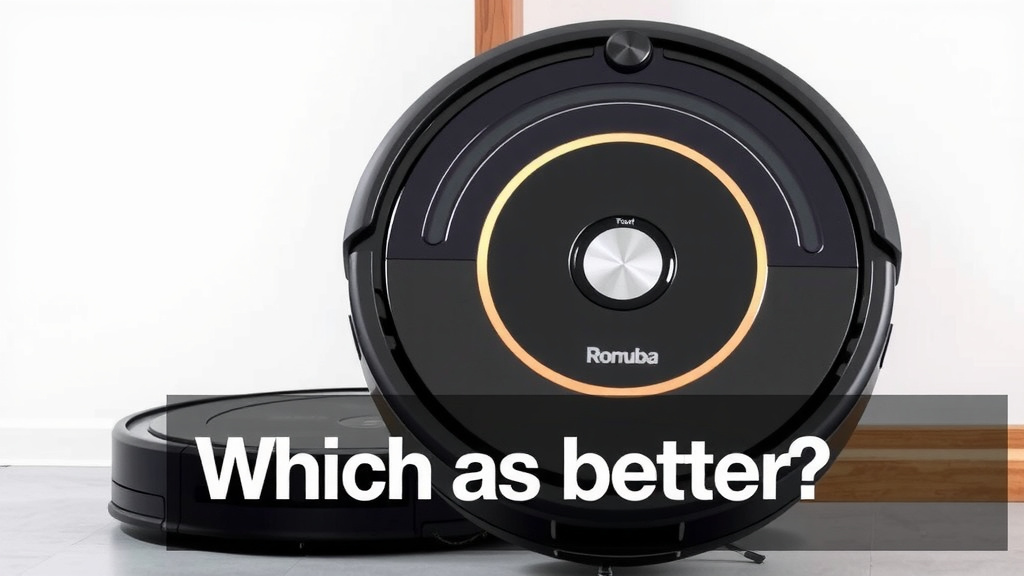
When comparing the Lefant robot vacuum vs. Roomba, **Lefant often wins on price and portability**, while **Roomba generally leads in advanced navigation and smart features**. Lefant vacuums are typically much more affordable and lighter, making them a great choice for smaller homes or specific cleaning tasks. Roomba, on the other hand, often comes with a higher price tag but offers **superior mapping technology and obstacle avoidance**.
Choosing between them depends heavily on your budget and cleaning needs. Many users find Lefant vacuums offer impressive cleaning power for their cost. Roomba vacuums are known for their robust build quality and intelligent cleaning patterns that cover your home efficiently. We’ve researched both to help you decide which is the better fit for your household.
- Lefant is usually more budget-friendly.
- Roomba often has smarter navigation systems.
- Consider your home size and cleaning needs.
- Both offer effective floor cleaning solutions.
- Price and advanced features are key differences.
Let’s break down the specifics of the Lefant robot vacuum versus the Roomba to help you make the smartest choice for your home.
Comparing Robot Vacuums: Lefant vs. Roomba
When you’re ready to let a robot vacuum handle the dirty work, you’ve probably come across two big names: Lefant and Roomba. They both aim to clean your floors, but they go about it in pretty different ways. We’ve looked at what makes each one tick to help you decide which fits your life best. Think of it like picking a trusty sidekick for your home cleaning adventures. Do you need a nimble, budget-friendly buddy, or a more sophisticated, feature-packed cleaner?
Understanding the Core Differences
Price Point: What’s Your Budget?
Let’s talk money first, because that’s often a big deciding factor. Lefant vacuums are generally much easier on your wallet. You can often find a Lefant model for a fraction of the cost of a comparable Roomba. This makes them a fantastic entry point if you’re new to robot vacuums or on a tighter budget. We found that for many people, the lower price makes trying out robot cleaning very appealing.
Roomba vacuums, on the other hand, tend to be pricier. This higher cost usually reflects their advanced technology and brand reputation. If you’re looking for the absolute latest features and don’t mind paying a premium, Roomba might be your path. We’ve seen that some users save up specifically for a Roomba because they want its advanced capabilities.
Cleaning Performance: Suction and Smarts
Both brands want to get your floors clean. Lefant vacuums often surprise people with their suction power, especially for their price. They can handle everyday dust and debris effectively. We found that many smaller, lighter models are great for quick cleanups and keeping things tidy between deeper cleans.
Roomba vacuums are known for their strong, consistent suction. They often have multiple cleaning stages, including brushes that work together to lift dirt from carpets and hard floors. Many models also feature smart debris detection, meaning they’ll spend more time in dirtier areas. This intelligent approach ensures a thorough clean, even if it takes a bit longer.
Navigation and Mapping: Getting Around Your Home
This is where you’ll see some of the biggest differences. Lefant vacuums typically use simpler navigation methods. Many rely on sensors and a random bump-and-go pattern. This means they cover your floor space but might not be the most efficient or systematic. Think of it like a curious pet exploring a room – it gets everywhere, but not always in a straight line.
Roomba, especially its higher-end models, excels in navigation. They often use advanced cameras, gyroscopes, and VSLAM (Visual Simultaneous Localization and Mapping) technology. This allows them to create detailed maps of your home. With these maps, Roombas can clean in straight lines, avoid obstacles more effectively, and even clean specific rooms on demand. We found that this advanced mapping is a major draw for tech-savvy users.
Obstacle Avoidance
When it comes to not bumping into furniture legs or tripping over charging cords, Roomba often has the edge. Its smarter navigation systems are better at identifying and avoiding potential hazards. This means fewer “robot trapped” alerts for you. We’ve heard from users that Roombas are generally better at navigating cluttered environments without getting stuck.
Lefant models can sometimes struggle more with complex obstacles. Their simpler navigation might lead to more bumps and potentially getting stuck. If your home has a lot of furniture or tight spaces, this is something to consider. However, some of their smaller, more agile models can actually navigate tight spots quite well.
Smart Features and App Control
If you love controlling things from your smartphone, Roomba usually offers a richer experience. Many Roomba models come with robust apps that let you schedule cleanings, view maps, set no-go zones, and even direct the robot to clean specific areas. The level of customization can be quite impressive. Many experts point to this app integration as a key convenience factor.
Lefant also offers app control on many of its models, but the features can be more basic. You can typically set schedules and start/stop cleanings. However, you might not find the same level of detailed mapping or zone control as you would with Roomba. For users who just want a simple way to start their robot, Lefant’s app is perfectly adequate.
Design and Portability
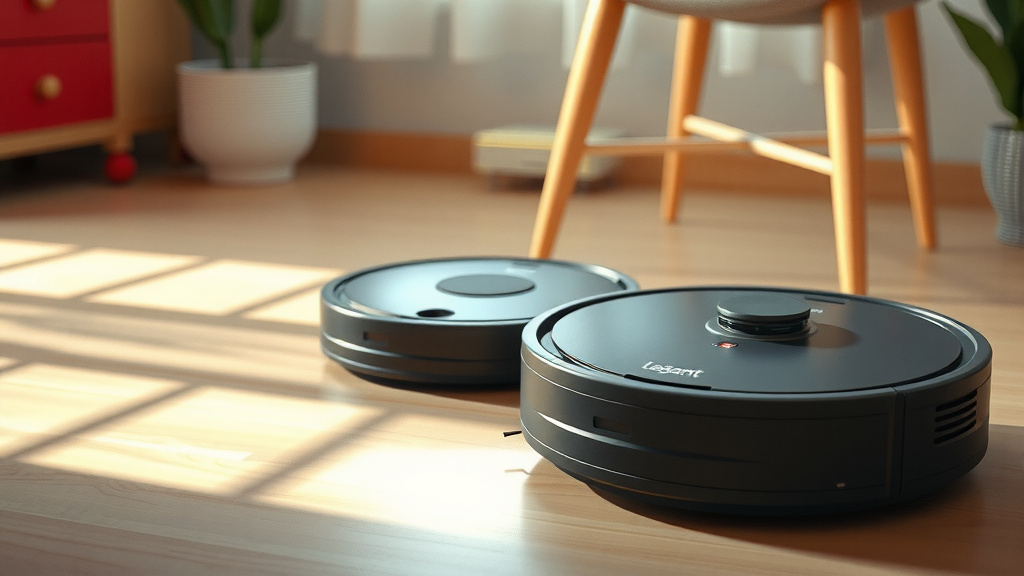
Lefant vacuums are often designed to be compact and lightweight. This makes them easy to pick up and move around, which is handy if you want to use it for spot cleaning or carry it to a different floor. Their smaller size can also be an advantage in navigating under furniture. We found that their lightweight design is a plus for many households.
Roomba vacuums can vary in size and weight. Some are quite substantial, reflecting their powerful motors and larger dustbins. While they are designed for autonomous cleaning, they might be less convenient to manually transport compared to some Lefant models.
Battery Life and Charging
When it comes to how long they clean on a single charge, both brands offer a range of options. Generally, you’ll find that models with more advanced navigation and stronger suction tend to use more battery. Some of the smarter Roombas can even recharge and then resume cleaning where they left off, which is a handy feature for larger homes. We found that this auto-resume function is a real time-saver for bigger jobs.
Lefant vacuums often provide decent battery life for their size and price. For smaller spaces, a single charge is usually more than enough to get the job done. If you have a very large home, you might need to consider if a single charge will cover your entire space or if a model with a longer run time is necessary.
Key Considerations for Your Choice
Choosing between a Lefant and a Roomba really comes down to prioritizing what matters most to you. Here’s a quick checklist to help you sort it out:
- Your Budget: Are you looking for the most affordable option, or can you invest more?
- Home Size: Do you have a small apartment or a large multi-story house?
- Floor Types: Are you mostly cleaning hard floors, or do you have a lot of carpet?
- Smart Home Integration: Do you want advanced app features and mapping, or is basic scheduling enough?
- Obstacle-Rich Environment: Does your home have a lot of furniture, rugs, or cords?
- Maintenance: How often do you want to empty the dustbin and clean the brushes? (Both require regular attention, but bin size and ease of cleaning can vary.)
For instance, if your primary goal is to get a robot vacuum into your home without breaking the bank, and you have mostly hard floors in a medium-sized space, a Lefant might be a perfect fit. You’ll get decent cleaning power and convenience at a great price. Think of it as getting a solid, reliable helper for everyday messes.
If you’re a tech enthusiast who wants the smartest, most efficient cleaning possible, and you’re willing to pay for it, a Roomba could be the better investment. Its advanced navigation, mapping, and app control offer a premium experience. This is for those who want their robot vacuum to be a true, intelligent member of the cleaning crew, capable of handling complex environments and tasks with minimal intervention. Many people find that the ability to customize cleaning zones is a lifesaver for keeping certain areas clear.
Conclusion
You’ve now seen how the Lefant robot vacuum and Roomba stack up. If budget is your top concern and you need a straightforward cleaner for everyday tasks, Lefant often hits the sweet spot. For those prioritizing advanced tech, smart mapping, and superior obstacle handling, Roomba generally provides that premium experience.
Your ideal choice boils down to your specific home needs and how much you want to invest. Think about your budget, home size, and desired smart features. Now, take this information and decide which robotic helper will best fit into your daily routine!
Frequently Asked Questions
Are Lefant robot vacuums good for pet hair?
Many Lefant models can handle everyday pet hair on hard floors and low-pile carpets. However, if you have a home with heavy shedding or thick carpets, you might find Roomba’s stronger suction and more robust brush systems to be more effective. We’ve found that for tough pet hair jobs, a Roomba often has an edge.
Can I control my Lefant or Roomba with my voice?
Yes, many newer models from both Lefant and Roomba offer voice control compatibility. You can typically link them to smart assistants like Amazon Alexa or Google Assistant. This allows you to start, stop, or pause cleaning using simple voice commands. We found this integration adds a great layer of convenience.
Which brand is better for homes with multiple floors?
For homes with multiple floors, Roomba’s advanced mapping technology can be a significant advantage. You can create different maps for each floor and tell the robot exactly where to clean. While some Lefant models can be easily carried between floors, they typically lack the sophisticated mapping to manage different levels autonomously.
How often do I need to empty the dustbin on these vacuums?
The frequency depends on your home’s dirt level and the vacuum’s dustbin size. For daily cleanings in a typical home, you might need to empty smaller bins every day or two. Larger bins on some Roomba models might last several days. Both brands require regular emptying for optimal performance.
Which robot vacuum is easier to set up and use daily?
Generally, Lefant vacuums are often praised for their simplicity and straightforward setup. You can typically get them running with minimal fuss. Roombas, especially those with advanced mapping, may have a slightly steeper learning curve due to their many app features and customization options. We found that for pure ease of use right out of the box, Lefant often wins.