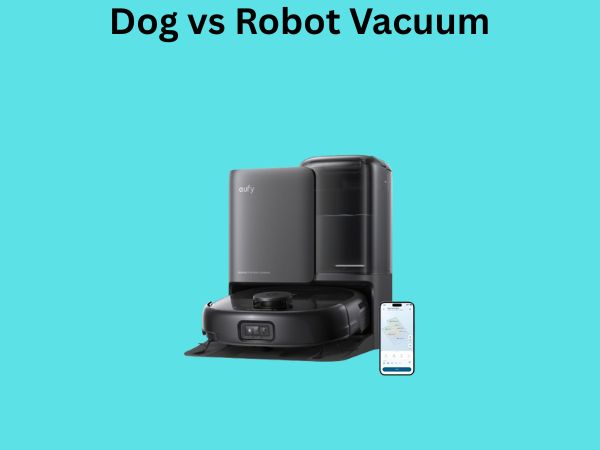
Dog vs Robot Vacuum: Is a Robot Vacuum Good for Dog Hair?
If you’re a dog owner, you know that struggle all too well. Your furry friend sheds like it’s their job, and suddenly your floors look like they’ve been carpeted with fur. You’re standing there with a regular vacuum in hand, wondering if there’s a better way. Enter the robot vacuum—the futuristic cleaning gadget that promises to keep your floors spotless while you relax on the couch. But here’s the real question: can these little robotic cleaners actually handle the unique challenge of dog hair? Let’s dive deep into this battle and find out whether a robot vacuum is truly your salvation or just another disappointing purchase gathering dust in your closet.
Understanding Robot Vacuums and How They Work
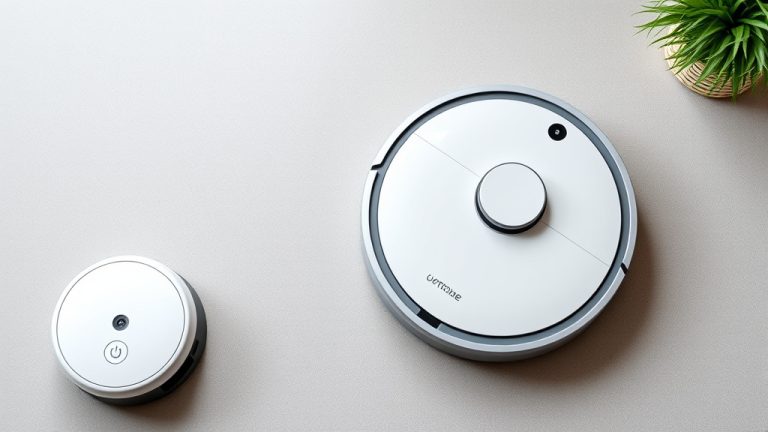
Let me start by breaking down what a robot vacuum actually is and how it operates. Think of it as a small, disc-shaped helper that zooms around your floors independently, picking up dirt and debris. It’s powered by a rechargeable battery and equipped with sensors that help it navigate your home without crashing into walls or tumbling down the stairs.
Most robot vacuums use a combination of brushes and suction to clean your floors. They typically have a main rotating brush in the center, sometimes called a roller brush, and side brushes that help sweep debris toward the center. The suction motor then pulls that debris into a dustbin. Pretty straightforward, right?
The Basic Components You Should Know About
Robot vacuums have several key components that directly affect their ability to handle pet hair:
- Brush Design: The type and design of brushes determine how effectively they grab and pull hair off your floors
- Suction Power: Measured in pascals (Pa), higher suction means better dirt pickup
- Filter Quality: Premium filters trap fine pet hair and dander more effectively
- Dustbin Capacity: Larger bins mean fewer emptying trips, crucial for heavy shedders
- Navigation System: Smart mapping helps the vacuum clean thoroughly and avoid obstacles
The Challenge of Dog Hair: What Makes It Different?
Here’s where things get interesting. Dog hair isn’t just regular dust and debris—it’s a particular nemesis for cleaning equipment. Why? Because dog hair has some unique characteristics that make it stubborn and annoying.
First, dog hair wraps around brush bristles with surprising persistence. You’ve probably experienced this with your regular vacuum—you clean out the brush and find it still tangled with fur even after you’ve supposedly removed everything. This wrapping action creates friction and can slow down or jam the brushes in a robot vacuum.
Second, dog hair varies greatly depending on your breed. A Golden Retriever sheds double-coated fur that’s thick and fluffy. A Poodle’s hair is curlier and can mat more easily. A short-haired dog like a Boxer sheds finer, shorter strands that scatter across floors. Each type presents different challenges.
Third, dog hair tends to spread across your entire floor space. Unlike other debris that might pile up in certain areas, pet hair seems to have a magical ability to distribute itself evenly, which means the robot vacuum needs to cover your whole home consistently to make a real difference.
Understanding Pet Dander and Allergens
It’s not just the visible hair you’re dealing with. Dogs shed dander—microscopic skin flakes that can trigger allergies in sensitive people. These particles are so small that they can float through the air and settle on surfaces. A robot vacuum’s filter quality becomes crucial here, as it needs to capture these tiny particles and prevent them from being released back into your home.
Robot Vacuum Performance on Dog Hair: The Reality Check
So, can robot vacuums handle dog hair? The honest answer is: yes, but with caveats.
Modern robot vacuums have improved dramatically over the years. Many models specifically designed for pet owners can actually do a respectable job of managing dog hair. However, they won’t perform identically to a traditional upright or canister vacuum. Think of it like this: a robot vacuum is like having a helpful roommate who’s always tidying up, but not like hiring a professional deep cleaner.
What Robot Vacuums Do Well With Dog Hair
- Daily Maintenance Cleaning: They excel at daily pickups, keeping your floors from becoming overwhelmed with fur
- Consistent Coverage: They work on a schedule, so your floors stay cleaner overall
- Hard Floors: They perform exceptionally well on tile, laminate, and hardwood
- Light Shedding: For dogs that shed moderately, robot vacuums can keep up effectively
- Preventing Matting: Regular cleaning prevents hair from matting into carpets
Where Robot Vacuums Struggle
- Heavy Shedding Seasons: During spring and fall when dogs shed intensely, robot vacuums might not keep up
- Deep Carpet Cleaning: They don’t have the power to deeply clean thick carpets like traditional vacuums
- Thick Accumulation: Large piles of hair can jam their brushes
- Stairs: Most robot vacuums can’t navigate stairs at all
- Edges and Corners: They may miss areas where walls meet floors due to their disc shape
Key Features to Look For in Dog-Hair-Friendly Robot Vacuums
Not all robot vacuums are created equal when it comes to pet hair. If you’re considering one for your dog-filled home, here’s what you should prioritize.
High Suction Power
Look for models with suction power of at least 2000 Pa. The higher the number, the better it can lift dog hair from your floors. Some premium models reach 4000 Pa or higher, which makes a noticeable difference.
Anti-Tangle Brush Technology
Many newer models feature specially designed brushes that resist hair tangling. Some use rubber rollers instead of bristles, which don’t grab hair as easily. Others have removable brushes that you can quickly clean without tools.
Large Dustbin Capacity
This might seem obvious, but it’s crucial. A 0.5-liter dustbin will fill up quickly in a pet home. Look for models with at least 0.7 liters, preferably closer to 1 liter. Some premium models even offer self-emptying capabilities, where the robot vacuum automatically empties itself into a larger bin.
HEPA Filtration
HEPA (High-Efficiency Particulate Air) filters capture fine particles, including pet dander. This is especially important if anyone in your home has pet allergies. Make sure the filter is washable or that replacement filters are affordable.
Smart Mapping and Navigation
Advanced navigation systems ensure the robot vacuum covers your entire floor systematically rather than randomly bouncing around. This thoroughness becomes more important when dealing with distributed pet hair.
Top Robot Vacuum Models for Pet Owners
Several models on the market have earned solid reputations for handling pet hair. While I won’t recommend specific brands (as preferences vary based on home layout and dog shedding levels), look for models that consistently score high in independent reviews specifically for pet hair performance.
Focus on models that mention pet-specific features in their marketing, have high suction power ratings, and include excellent customer reviews from actual pet owners. Read reviews from people with large, heavy-shedding dogs like German Shepherds or Huskies—if it works for them, it’ll likely work for your situation too.
Comparing Traditional Vacuums vs Robot Vacuums for Dog Hair
Here’s the showdown you’ve been waiting for. Let’s compare these two cleaning methods head-to-head across several dimensions.
Cleaning Power
Traditional vacuums win this round decisively. An upright or canister vacuum with strong suction will always outperform a robot vacuum. You’re dealing with the laws of physics—larger machines can generate more powerful suction and work with heavier-duty brushes.
Convenience and Automation
Robot vacuums take this category easily. You schedule them and forget about it. No dragging out equipment or putting in physical effort. For busy people, this convenience is genuinely valuable.
Coverage Area
If your home has multiple levels or lots of stairs, a traditional vacuum is your only option. Robot vacuums handle single-floor living spaces best.
Carpet Handling
Traditional vacuums excel on carpet, especially thick pile carpet where dog hair loves to hide. Robot vacuums can handle low-to-medium pile carpet reasonably well but struggle with anything deeper.
Cost Over Time
Initial robot vacuum costs are higher than many traditional vacuums, but they require no manual effort. Traditional vacuums are often cheaper upfront but demand your time and energy regularly.
Maintenance Requirements
Robot vacuums need regular maintenance—dustbin emptying, brush cleaning, filter maintenance. Traditional vacuums also need these things, but perhaps less frequently due to larger capacity.
Maintenance Tips for Robot Vacuums in Pet Homes
If you decide to go with a robot vacuum, you’ll need to commit to proper maintenance. The dog hair environment demands more attention than typical robot vacuum ownership.
Brush Cleaning Schedule
Clean your robot vacuum’s brushes at least twice a week in a pet home. This means removing the brushes and manually pulling out wrapped hair. It’s tedious but necessary. Some newer models make this easier with pull-tabs or twist-release mechanisms.
Dustbin Management
Empty the dustbin every time it reaches three-quarters full, not just when it’s completely full. In homes with heavy shedders, this might be daily or every other day. A full dustbin reduces suction power significantly.
Filter Care
Check and rinse the filter weekly. If it’s a washable filter, let it dry completely before reinserting. Replace filters according to manufacturer recommendations—this is typically more frequent in pet homes, perhaps every 2-3 months rather than every 6 months.
Floor Preparation
Before running your robot vacuum, do a quick pickup of large debris. Large clumps of hair can jam the brushes, so if you notice a particularly hairy spot, pick it up manually first.
Sensor Maintenance
Robot vacuums use sensors to navigate. Pet hair and dust can accumulate on these sensors, reducing navigation efficiency. Wipe sensors monthly with a soft, dry cloth.
Real-World Scenarios: When Robot Vacuums Shine
Let me paint some realistic scenarios where a robot vacuum absolutely makes sense for dog owners.
The Busy Professional with a Medium-Shedding Dog
Sarah works long hours and has a Cocker Spaniel that sheds moderately. She couldn’t find time to vacuum regularly. A robot vacuum transformed her situation. It runs daily while she’s at work, keeping her floors acceptably clean. She still uses a traditional vacuum once a week for deeper cleaning, but the daily robot vacuum maintenance dramatically reduced the overall hair buildup.
Multiple Hard-Floored Rooms
If your home is primarily tile, hardwood, or laminate, robot vacuums perform exceptionally well. These hard floors don’t present the carpet-tangling issues, and robot vacuums pick up hair effectively from smooth surfaces.
A Single-Story Apartment with Reasonable Space
Robot vacuums work best in single-story living situations with defined boundaries. Apartments and condos are ideal for robot vacuum ownership, especially if you have a dog.
When Robot Vacuums Fall Short
There are definitely situations where a robot vacuum won’t cut it for dog owners.
Multiple Levels and Stairs
If your dog lives in a two-story house, a robot vacuum only solves half your problem. You’d need separate units for each level, which becomes expensive.
Heavy-Shedding Double-Coated Breeds During Peak Season
If you own a Husky, Malamute, German Shepherd, or similar heavy-shedding breed, and you’re dealing with peak shedding season, a robot vacuum alone is insufficient. The volume of hair simply exceeds what these machines can manage daily.
Thick Carpeted Homes
If your entire home is covered in deep pile carpet, a robot vacuum struggles. The hair becomes embedded in the carpet, and robot vacuums lack the suction power to extract it effectively.
Homes with Lots of Obstacles and Tight Spaces
If your floors are cluttered with furniture, toys, or tight spaces between items, robot vacuums waste time navigating around obstacles rather than cleaning.
Cost Considerations and Long-Term Value
Let’s talk money, because cost is often the deciding factor for many households.
Initial Investment
A decent robot vacuum for pet owners costs between $400 and $1000. Premium models with self-emptying features and advanced pet-hair technology can exceed $1500. Compare this to a high-quality traditional vacuum at $300-600.
Maintenance Costs
You’ll spend on replacement brushes ($30-60), filters ($20-40), and potentially other parts. In a heavy pet-shedding home, expect to replace filters more frequently, adding $100-200 yearly in maintenance costs.
Long-Term Perspective
A robot vacuum that lasts 5-7 years might cost $100-200 per month for the machine itself, plus maintenance. Is that worth the convenience of not manually vacuuming? For many dog owners, absolutely yes. For others operating on a tight budget, it might be difficult to justify.
![7 Best Non Chinese Robot Vacuum [2026]](https://robotvacuumfact.com/wp-content/uploads/2026/08/7-best-non-chinese-robot-vacuum-2026-featured-768x432.jpg)