Hide Your Robot Vacuum Dock: Easy Solutions
You can absolutely hide your robot vacuum dock! The easiest way is to choose a discreet location that’s out of sight but still accessible for your robot. This keeps your living space looking tidy and prevents the dock from being an eyesore. We’ve found that a little planning goes a long way.
There are several smart strategies for hiding your robot vacuum dock, whether you have a small apartment or a large home. Many people worry about the dock disrupting their decor. You can find ways to make it blend in, use furniture to conceal it, or even build custom solutions. It’s all about making your home look its best while still letting your trusty cleaning assistant do its job.
- Choose a hidden spot near an outlet.
- Use furniture to block the view.
- Consider custom enclosures for a built-in look.
- Ensure your robot can still easily access its charging station.
Let’s walk through some clever ways to tuck away that robot vacuum dock so it practically disappears.
Clever Ways to Conceal Your Robot Vacuum Dock
No one wants a stray piece of technology disrupting their carefully curated living space. Your robot vacuum dock, while incredibly useful, can sometimes feel like an unwelcome guest. You’re not alone if you’re looking for ways to make it disappear. We’ve researched several smart solutions to help you achieve a cleaner look without sacrificing your robot’s charging convenience.
Strategic Placement: The First Line of Defense
Before you start thinking about furniture or custom builds, consider where you’re placing the dock. The easiest win is often finding a spot that’s naturally out of sight. This requires minimal effort but can yield excellent results for tidying up your home.
Underneath Furniture: A Hidden Haven
Think of your existing furniture as your allies in this mission. Many pieces offer just enough space to tuck away that charging station. It’s a fantastic way to blend the dock into your existing decor. You just need to be mindful of a few things.
Coffee Table Advantage
A coffee table with a lower shelf is a prime candidate. Ensure there’s enough clearance for your robot to move in and out. You want it to be accessible but not visible from the main seating area. This is a simple yet effective method that many people find works wonders.
Console Table Concealment
A console table, especially one placed against a wall, can also be a great spot. If it has drawers or a lower shelf, you can position the dock behind it. Just make sure the robot has a clear path to navigate. It’s like a secret hideaway just for your little helper!
Sideboard or Cabinet Corners
Consider the less-used corners of sideboards or entertainment centers. Sometimes, a sliver of space is all you need. This keeps the dock completely hidden from general view. It protects your aesthetic without requiring any major home modifications.
Utilizing Nooks and Crannies
Sometimes, your home already has perfect little spots waiting to be discovered. Look for those often-overlooked areas where the dock can live undisturbed. This method taps into your home’s existing architecture.
Closet Corners
A walk-in closet or even a standard linen closet can be a great place. If there’s an outlet nearby, you can place the dock in a corner. Just leave the door slightly ajar or ensure your robot can trigger the opening mechanism if it’s smart enough. It’s a fully hidden solution, out of sight and out of mind.
Behind Doors or Curtains
In less trafficked areas, you might be able to place the dock behind a door when it’s not in use, or even behind a decorative curtain. This requires careful measurement to ensure the robot can still dock and undock easily. It’s a clever trick for areas where aesthetics are key.
Furniture Modifications and DIY Solutions
If you’re a bit more hands-on, you can modify existing furniture or create something entirely new. This allows for a truly customized look that fits your space perfectly. These solutions often require a bit more effort but offer the most integrated appearance.
Custom Enclosures and Cabinets
This is where you can get really creative. Think about building or buying a small cabinet or enclosure specifically for your robot vacuum dock. Many people have found success using pre-made pet furniture or modifying existing shelving units. You can even add ventilation if the dock tends to get warm. This makes the dock look like a deliberate design feature, not an afterthought.
The “Pet House” Hack
You might have seen cute little “pet houses” designed for cats or small dogs. These can be repurposed brilliantly. Place the dock inside, cut a charging cable hole in the back, and voilà! It looks like a decorative piece of furniture. It’s a charming and functional idea that keeps the dock out of sight.
Floating Shelves with a Twist
Consider installing a shallow floating shelf, but position it lower to the ground. Then, place your dock behind it. You could even add a small decorative panel or skirting to the front of the shelf to completely hide the dock. This offers a sleek, modern look.
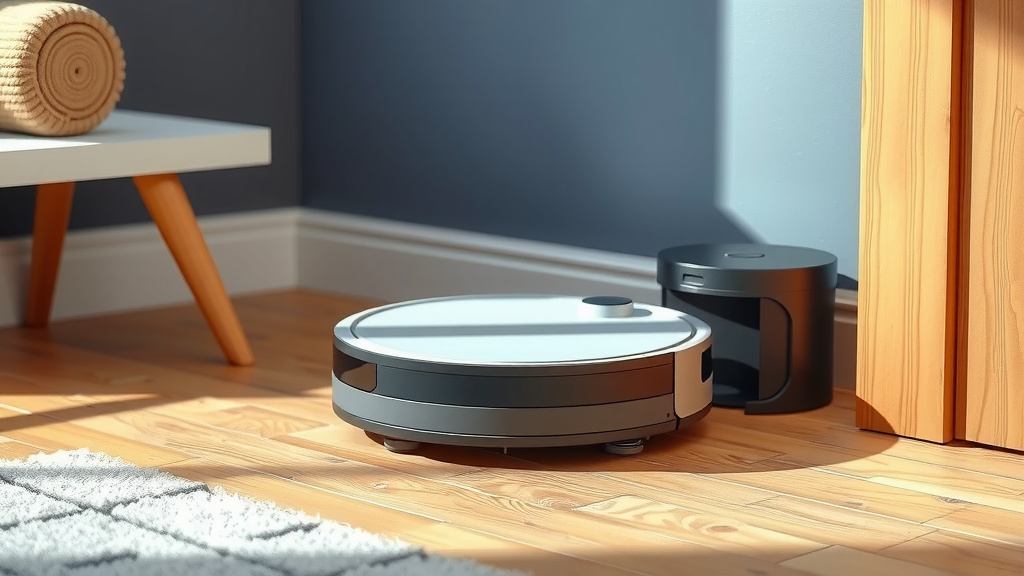
Ensuring Robot Accessibility: The Critical Factor
No matter how well you hide your dock, your robot needs to be able to find and use it. This is non-negotiable for your vacuum’s functionality. We’ve found that a clear path is essential.
Clearance is Key
Most robot vacuums have specific requirements for the space around their dock. This typically includes a certain amount of clear space to the front and sides. Always consult your robot vacuum’s manual for these dimensions. Research indicates that inadequate clearance can prevent the robot from docking properly (iRobot Support).
No Obstructions
Ensure there are no permanent obstacles directly in the robot’s path to the dock. Things like floor lamps, baskets, or even pet bowls can be a nuisance. Your robot needs a straight shot to its charging station.
Infrared Signal Integrity
Many docks emit an infrared (IR) signal to help the robot navigate back. Avoid placing the dock where this signal might be blocked. Thick furniture or walls can interfere with it. If the robot can’t “see” the dock’s signal, it won’t be able to return for a charge.
Checklist for a Discreet Dock Location
Ready to find the perfect hiding spot? Use this quick checklist:
- Is there a nearby power outlet?
- Is the location out of direct sightlines?
- Is there enough clearance for the robot to dock (check your manual!)?
- Is the path to the dock free of permanent obstructions?
- Will the dock’s IR signal reach the robot?
- Does the chosen spot fit your home’s overall aesthetic?
Conclusion
You’ve learned that hiding your robot vacuum dock is totally achievable! We’ve seen how strategic placement under furniture or in hidden nooks can work wonders. For a more polished look, DIY solutions like custom enclosures or pet house hacks offer fantastic results. Remember, the key is balancing concealment with your robot’s ability to access its home base. Take that checklist we shared and find the perfect spot. Your living space will thank you for it!
Frequently Asked Questions
Can I put my robot vacuum dock in a closet?
Yes, you can! A closet is an excellent place to hide your robot vacuum dock, especially if it has an outlet. Just ensure the door doesn’t completely block the robot’s access or the infrared signal it needs to find its way back.
Will hiding the dock prevent my robot from charging?
It could, if not done carefully. Your robot needs a clear path and adequate clearance around the dock to charge successfully. Always check your robot’s manual for specific spacing requirements.
How do I make sure the robot can still find its dock?
Ensure the dock’s infrared signal isn’t blocked by solid objects and that there are no permanent obstructions directly in the robot’s path. A clean, unobstructed approach is best for reliable docking.
What if I don’t have much furniture to hide it under?
If furniture isn’t an option, consider using a decorative screen, a tall plant, or even a DIY enclosure that blends with your decor. You can also look for unused corners or wall niches.
Do I need to worry about ventilation for the dock?
Generally, most docks don’t require special ventilation. However, if you build a custom enclosure, leaving small gaps or ensuring it’s not completely airtight can provide some air circulation. This is more about preventing heat buildup in enclosed spaces.