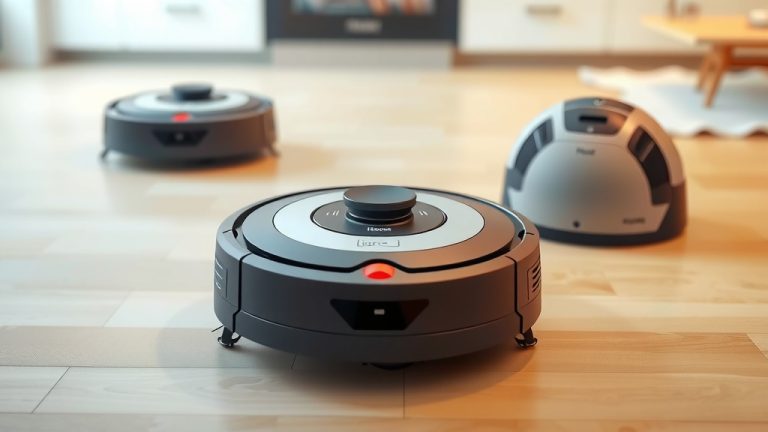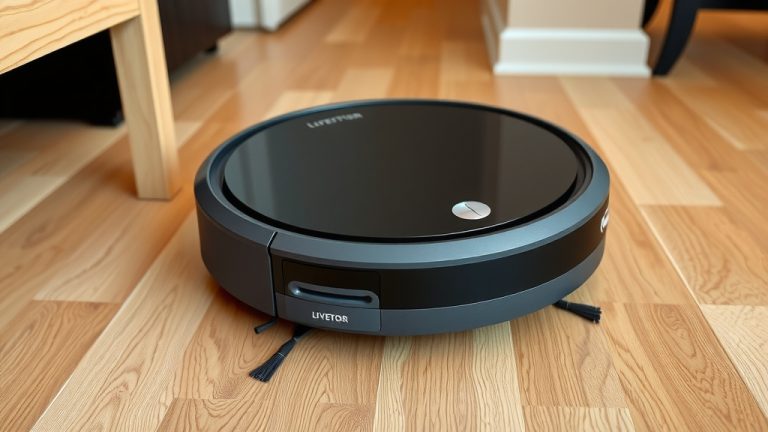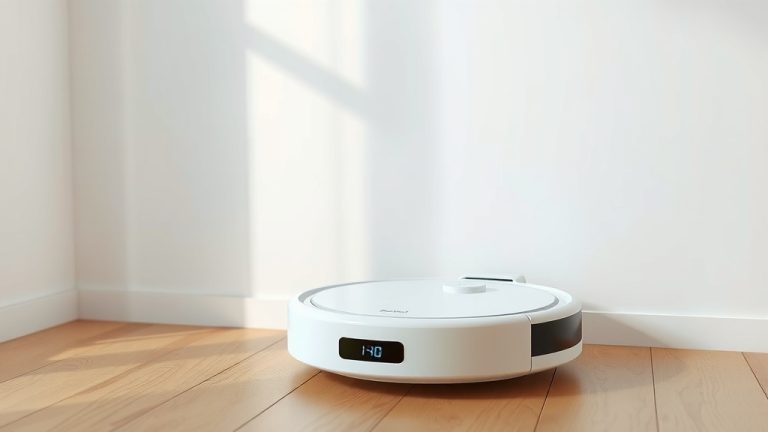
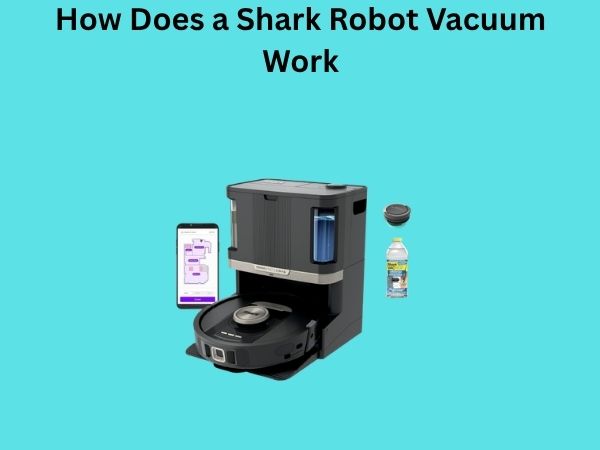
How Does a Shark Robot Vacuum Work? A Complete Technology Breakdown
Have you ever wondered what’s happening inside that little disc-shaped device gliding across your living room floor? If you’re curious about how a Shark robot vacuum actually works, you’re in the right place. I’m going to walk you through the inner workings of these fascinating machines, breaking down everything from their navigation systems to their cleaning mechanisms.
Think of a Shark robot vacuum as a tiny, autonomous cleaning robot that acts like it has a mind of its own. But here’s the thing—it’s not magic. It’s clever engineering combined with smart technology that makes these devices so effective at keeping your floors spotless without requiring you to push a traditional vacuum around.
Understanding the Basics: What Makes a Robot Vacuum Different
Before we dive into the technical nitty-gritty, let’s establish what sets robot vacuums apart from their traditional counterparts. A standard vacuum cleaner requires you to physically guide it around your home. A Shark robot vacuum, on the other hand, operates independently. It moves on its own, navigates your space intelligently, and returns to its charging dock when the battery runs low.
What’s remarkable is that all of this happens without you having to lift a finger. You simply set it up, perhaps schedule it to run at specific times, and let the technology handle the rest. Pretty convenient, right?
The Power Source: Battery Technology Inside Shark Robot Vacuums
How the Lithium-Ion Battery Works
At the heart of every Shark robot vacuum sits a rechargeable lithium-ion battery. This isn’t just any battery—it’s the same type of technology you’ll find in smartphones and electric vehicles. Lithium-ion batteries are popular because they offer an excellent balance between power output and longevity.
These batteries store electrical energy chemically. When the vacuum is running, the battery releases this energy to power the motors, sensors, and navigation systems. A typical Shark robot vacuum battery provides enough juice for 60 to 120 minutes of continuous cleaning, depending on the model and the cleaning mode you’ve selected.
Battery Capacity and Runtime
Different Shark models come with varying battery capacities. Some entry-level models might have a 2000mAh battery, while premium models can feature 5000mAh batteries or higher. The capacity directly impacts how long your robot can clean before needing to recharge.
Here’s something interesting: when your Shark detects that battery levels are running low, it automatically navigates back to its charging dock. It’s like the vacuum has a built-in survival instinct that prevents it from getting stranded in the middle of your kitchen.
Navigation Systems: How Your Shark Knows Where to Go
Sensor Technology and Mapping
Imagine trying to navigate a completely dark room without bumping into anything. That’s essentially what a Shark robot vacuum does, except it uses sensors instead of eyes. Modern Shark models utilize several types of sensors working in harmony.
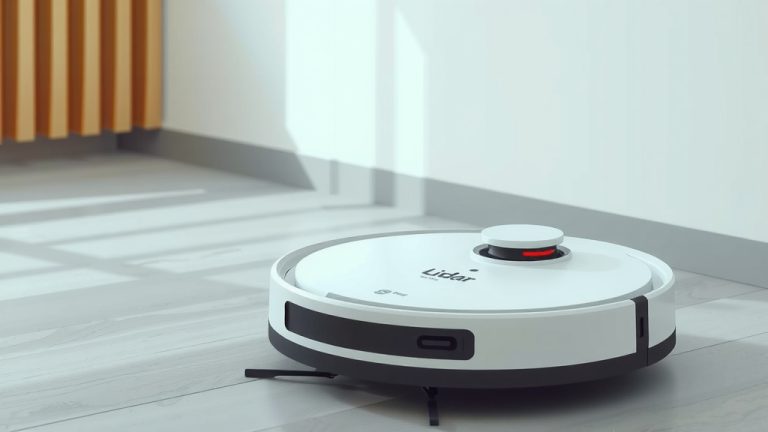
The most important sensor is the infrared or laser sensor system, often called LIDAR (Light Detection and Ranging) in advanced models. These sensors emit signals that bounce off walls, furniture, and obstacles, creating a digital map of your home. This map allows the vacuum to understand the layout of your space and plan the most efficient cleaning path.
Wall Detection and Cliff Sensors
You know how devastating it would be if your Shark robot vacuum tumbled down a flight of stairs? That’s why cliff sensors exist. These infrared sensors are positioned on the underside of the vacuum and detect when the ground level suddenly drops. When a cliff sensor triggers, the vacuum immediately stops and changes direction.
Similarly, the vacuum uses contact sensors and ultrasonic sensors to detect walls and obstacles. When it approaches a wall, these sensors tell the vacuum to slow down and adjust its path, allowing it to clean right up to the edges without crashing.
Smart Mapping and Room Recognition
Premium Shark models feature advanced mapping capabilities. During the first run, the vacuum essentially creates a blueprint of your home. It remembers room layouts, identifies boundaries, and even recognizes furniture placement. Some newer models allow you to assign names to different rooms and schedule cleaning for specific areas only.
This mapping technology is incredibly useful. You can tell your Shark to clean just the kitchen, or to focus on high-traffic areas. It’s like having a vacuum that understands your cleaning priorities.
The Cleaning Mechanism: Brush and Suction Systems
Primary and Secondary Brushes
Most Shark robot vacuums feature a dual-brush system. The primary brush, located in the center of the vacuum’s underside, is a rotating brush that agitates carpet fibers and loosens dirt. It’s similar to the rolling brush you’d find on a traditional upright vacuum.
The secondary brush, typically positioned on one side, is usually a soft bristle or rubber roller. This brush helps guide debris toward the suction intake and works particularly well on hard floors. The combination of these two brushes ensures effective cleaning on both carpeted and bare floors.
Suction Power and Airflow
Here’s where the real magic happens. The suction system is essentially a small electric motor that creates negative air pressure, pulling dirt, dust, and debris toward the collection bin. Shark robot vacuums typically generate between 1000 to 4000 Pa (pascals) of suction power, depending on the model.
The airflow design is crucial. As debris is pulled up through the brushes, the suction guides it into a cyclone chamber where centrifugal force separates heavier particles from the air. The cleaned air is then filtered and expelled, while debris settles in the collection bin.
Filtration Systems
Not all debris makes it into the collection bin on the first pass. Tiny particles like dust and pollen can escape through the exhaust. That’s why Shark robot vacuums include filtration systems. Most models feature HEPA filters that capture 99.97% of particles down to 0.3 microns in size.
These filters need regular maintenance. You’ll want to clean or replace them according to the manufacturer’s recommendations to maintain optimal suction performance and air quality in your home.
Movement and Mobility: How It Gets Around
Wheel Configuration and Traction
A Shark robot vacuum typically has three wheels: two larger wheels on either side for propulsion and one smaller caster wheel in the front for steering. The side wheels are powered by independent motors, allowing the vacuum to turn, pivot, and maneuver in tight spaces.
The wheels themselves are designed with patterns that provide traction on various floor surfaces. This is important because carpet, hardwood, and tile all present different challenges. The wheel design ensures the vacuum can move smoothly from one surface to another without getting stuck.
Motor-Driven Propulsion
Each of the two main wheels is connected to a small electric motor. These motors receive signals from the vacuum’s main control board, telling them when to move forward, backward, or turn. By varying the speed of each motor independently, the vacuum can execute complex maneuvers and navigate around obstacles.
It’s not unlike how a tank moves—by controlling the speed of individual tracks, you can make it turn sharply or move in any direction. Shark robot vacuums use this same principle with their dual-wheel motors.
Smart Features and Connectivity
WiFi and App Control
Modern Shark robot vacuums aren’t just autonomous—many are smart devices that connect to your home WiFi network. Through a smartphone app, you can schedule cleaning sessions, check the vacuum’s status in real-time, and even control it remotely from anywhere.
Want to start your vacuum before you arrive home from work? You can do that. Need to see if it’s stuck on something? The app often provides live updates and can even send notifications when the collection bin is full.
Voice Assistant Integration
Some Shark models are compatible with popular voice assistants like Amazon Alexa and Google Assistant. This means you can simply say something like, “Alexa, tell Shark to start cleaning,” and the vacuum springs into action. It’s convenience on another level.
Scheduling and Automation
You can set your Shark robot vacuum to run automatically on specific days and times. Imagine waking up to a freshly cleaned floor every morning, even though you haven’t done anything. That’s the power of scheduling. Many models allow you to create multiple schedules, so you could have different cleaning routines for weekdays and weekends.
The Charging Dock System
Auto-Docking Technology
Perhaps one of the cleverest features of Shark robot vacuums is their ability to automatically dock themselves when the battery runs low. The vacuum uses infrared sensors to locate the charging dock, then navigates back to it and positions itself perfectly for charging.
This happens without any intervention from you. The vacuum essentially remembers where it left off and can resume cleaning from that same location after recharging, which is why some advanced models feature “resume” functionality.
Charging Time and Efficiency
Depending on the battery capacity, a Shark robot vacuum typically takes between 2 to 4 hours to fully recharge. The charging dock uses a standard electrical outlet and transfers power through contact points on the vacuum’s base. It’s a simple but effective system that has been used in robot vacuums for years.
Cleaning Patterns and Algorithms
Systematic Cleaning Paths
You might assume that robot vacuums just wander around randomly, but that’s far from the truth. Shark robot vacuums use intelligent algorithms to determine the most efficient cleaning path. Some models use a back-and-forth pattern across the room, while others might spiral outward from the center.
These patterns are designed to minimize the chance of missing spots while maximizing efficiency. The vacuum doesn’t waste energy and battery life by repeatedly cleaning the same area.
Adaptive Cleaning Technology
Premium Shark models feature adaptive technology that adjusts the vacuum’s performance based on floor type. When it transitions from hardwood to carpet, it automatically increases suction power to compensate for the added resistance. When it returns to hard floors, it reduces suction slightly to conserve battery.
This smart adjustment happens in real-time, making the vacuum more efficient and extending its runtime.
Maintenance and What Happens Inside
Dust Bin Capacity and Emptying
Shark robot vacuums have relatively small dust bins compared to traditional vacuums, typically holding 0.3 to 0.5 liters of debris. You’ll need to empty the bin regularly, but the actual process is simple—just press a release button and dispose of the contents.
Some advanced models include a self-emptying feature where the robot docks on a larger base station that automatically suctions debris from the robot’s bin into a larger container. You might only need to empty the main container once a month, versus multiple times weekly with a standard robot vacuum.
Filter Maintenance
The HEPA filters in your Shark vacuum collect dust and particles. Over time, they become clogged, which reduces suction power. Most manufacturers recommend cleaning the filter every week or two by tapping it against a trash can to dislodge accumulated debris. Complete filter replacement is typically needed every 3 to 6 months, depending on usage.
Brush Maintenance
Hair and fibers can wrap around the primary brush, reducing its effectiveness. You should regularly remove tangled hair from both brushes. This is a simple maintenance task that takes just a minute or two but significantly impacts performance.
Troubleshooting Common Issues
What Happens When It Gets Stuck
Despite their intelligence, robot vacuums can occasionally get stuck. This might happen if a rug has a raised edge, or if the vacuum encounters a obstacle it doesn’t recognize. Most models will emit a sound and send an alert to your phone if they become stuck. You’ll then need to manually move the vacuum to a clearer location.
This is why it’s important to pre-clean your floors before using a robot vacuum—removing obvious obstacles prevents many stuck situations.
Battery Performance Over Time
Like all rechargeable batteries, the lithium-ion battery in your Shark will gradually lose capacity over time. After several years of use, you might notice your vacuum can’t clean for quite as long as it did when new. Battery replacement is usually an option, though it can be a bit pricey.
Conclusion
So, how does a Shark robot vacuum actually work? It’s a beautiful combination of battery technology, intelligent sensors, effective cleaning mechanisms, and smart algorithms working in perfect harmony. From the moment you press start, your vacuum is mapping your home, navigating obstacles, adjusting its cleaning power, and planning the most efficient path across your floors.
The technology that powers these devices has come a long way, and modern Shark models are more capable and intelligent than ever. They represent a genuine convenience innovation that has transformed how many of us approach home cleaning. Whether you’re drawn to the time-saving aspect, the smart home integration, or simply the pleasure of watching a robot do the work for you, understanding how these machines work gives you a deeper appreciation for the engineering behind them.
The next time your Shark robot vacuum glides silently across your floor, you’ll know exactly what’s happening underneath that sleek exterior—and that’s pretty cool when you think about it.
Frequently Asked Questions
How long does a Shark robot vacuum typically last before needing replacement?
A well-maintained Shark robot vacuum can last between 4 to 6 years or more. The lifespan depends on usage frequency, maintenance quality, and whether you replace worn components like brushes and filters. With proper care, including regular filter cleaning and brush maintenance, your vacuum should remain effective throughout its lifespan. The battery may degrade sooner and might need replacement after 2 to 3 years of regular use.
Can a Shark robot vacuum handle stairs and multi-level homes?
No, Shark robot vacuums cannot climb stairs. Their cliff sensors specifically prevent them from attempting to navigate stairs, as this would result in a fall and potential damage. If you have a multi-level home, you’ll need to manually carry the vacuum to each floor and run it separately on each level, or consider purchasing a unit for each floor. The good news is that many models are lightweight enough to make this task relatively easy.
What’s the difference between random and systematic cleaning patterns?
Random cleaning patterns mean the vacuum moves somewhat haphazardly around the room, while systematic patterns follow organized paths like back-and-forth rows or spirals. Systematic patterns are more efficient because they minimize the chance of missing spots and reduce battery consumption. Modern Shark models increasingly use systematic mapping-based patterns rather than purely random movement.
Do I need to prepare my home before running a Shark robot vacuum?
Yes, basic preparation is recommended. Clear large obstacles like toys, charging cables, and items from the floor. Pick up anything that could get tangled around the brushes, especially long cords or decorative items. While the vacuum can handle some clutter, removing obvious obstacles prevents stuck situations and allows for more efficient cleaning. Closing doors to areas you don’t want cleaned is also helpful.
How often should I empty and maintain my Shark robot vacuum?
You should empty the dust bin after each cleaning session or whenever it reaches about three-quarters capacity. Clean the