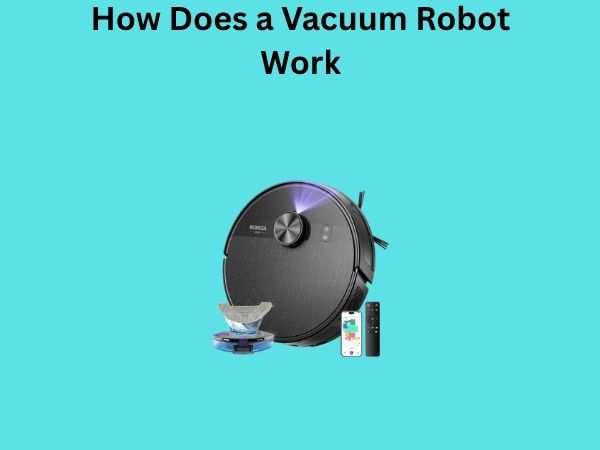
How Does a Vacuum Robot Work? A Complete Guide to Robotic Cleaning Technology
Have you ever wondered how those little disc-shaped devices glide across your floors, leaving them spotless without you lifting a finger? Vacuum robots have revolutionized the way we think about household cleaning, and honestly, they’re pretty fascinating when you break down the technology behind them. In this comprehensive guide, I’m going to walk you through everything you need to know about how these intelligent machines actually work.
Understanding the Basics: What Is a Vacuum Robot?
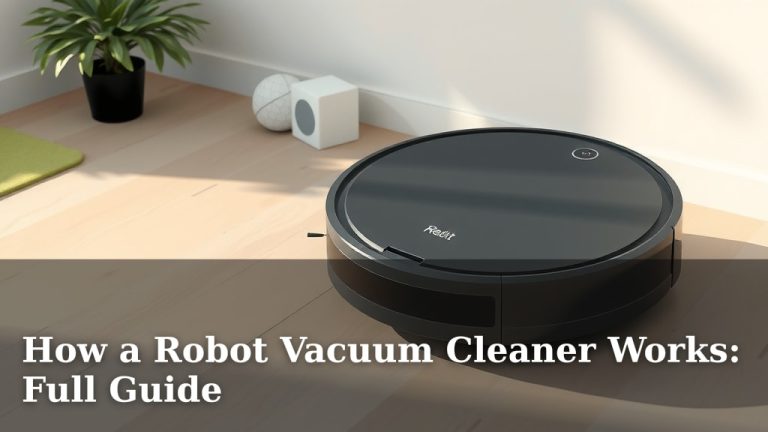
Before we dive into the nitty-gritty mechanics, let’s establish what we’re actually talking about. A vacuum robot is an autonomous cleaning device designed to navigate your home independently, detect dirt and debris, and remove it from your floors. Think of it as a tiny robot butler that you teach once, and then it handles the repetitive work for you.
These devices typically operate on their own schedule, returning to their charging dock when their battery runs low. They come equipped with various sensors, brushes, and suction mechanisms that work together in perfect harmony. The beauty of this technology is that it’s become increasingly affordable and practical for everyday homeowners like you and me.
The Power Source: Understanding Robot Vacuum Batteries
Lithium-Ion Battery Technology
Most modern vacuum robots use lithium-ion batteries, which are the same type you’ll find in your smartphone or laptop. These batteries are chosen because they offer excellent energy density, meaning they pack a lot of power into a small space. Your vacuum robot typically has a battery capacity ranging from 2600 to 5200 milliamp-hours, allowing for cleaning sessions that last anywhere from 60 to 120 minutes depending on the model.
How Battery Life Impacts Performance
The battery capacity directly influences how much area your robot can cover in one cleaning session. A stronger battery means your robot can tackle larger homes without needing to return to its dock. Most quality vacuum robots are intelligent enough to recognize when their battery is running low and automatically return to their charging station, ensuring they’re ready for the next cleaning session.
Here’s something interesting: the longer your robot cleans, the more power it drains, especially on higher suction settings. It’s like how your car uses more gas on the highway than in city driving. Your robot learns to balance performance with battery efficiency to maximize cleaning coverage.
Navigation Systems: How Robots Find Their Way Around
The Role of Sensors in Robot Movement
Think of a vacuum robot’s sensor system as its eyes and ears combined. Without sensors, these machines would just bump around randomly like confused toddlers. Several types of sensors work together to create a sophisticated navigation system:
- Infrared sensors detect obstacles and walls at a distance
- Bumper sensors trigger when the robot makes physical contact with something
- Cliff sensors prevent your robot from tumbling down stairs
- Wheel drop sensors detect when the robot goes off a ledge
Mapping Technologies: LIDAR vs. Camera-Based Systems
Modern vacuum robots use two main approaches to understand and map your home. LIDAR technology, which stands for Light Detection and Ranging, uses a spinning laser on top of the robot to create a precise 3D map of your space. Imagine a lighthouse beam rotating around, measuring distances to everything in sight. This technology is incredibly accurate and works well in dark conditions.
Camera-based systems, on the other hand, use visual information to understand your home’s layout. These systems capture images and use computer vision algorithms to identify objects, furniture, and room boundaries. While they might seem less accurate than LIDAR, they actually offer some advantages, like the ability to recognize specific items in your home.
Smart Pathfinding Algorithms
Once your robot has mapped your space, it uses intelligent algorithms to plan the most efficient cleaning route. Rather than bouncing randomly around your floors, modern robots use systematic patterns like back-and-forth lines across rooms. Some advanced models even learn your home’s layout and adjust their patterns for maximum coverage while minimizing battery drain.
The Suction Mechanism: How Dirt Gets Removed
Understanding Vacuum Motors and Suction Power
The heart of any vacuum is its motor, and robot vacuums are no exception. These electric motors spin at incredibly high speeds, sometimes exceeding 10,000 revolutions per minute. This spinning motion creates negative pressure, which essentially sucks air toward the robot’s collection bin, taking dust and debris along for the ride.
Suction power in robot vacuums is typically measured in pascals or air watts. Higher numbers mean stronger suction, but remember that more power consumption means shorter battery life. It’s all about finding the right balance for your needs.
Multi-Stage Filtration Systems
Here’s where vacuum robots get smart about efficiency. Most quality models use multiple filtration stages to ensure maximum dirt capture while maintaining suction power. The process typically works like this:
- Large debris gets caught by primary filters or separator mechanisms
- Fine dust particles are captured by HEPA filters
- Exhaust air exits through secondary filters to prevent dust emission
This multi-stage approach is crucial for people with allergies or asthma, as it ensures that fine particles don’t get recirculated into your home’s air.
Brush Types and Their Functions
Main Brush vs. Side Brush Design
Your vacuum robot typically features two types of brushes working in tandem. The main brush, usually located across the bottom of the unit, spins perpendicular to the robot’s movement. This brush agitates debris on your floor, loosening it so the suction can capture it more effectively. Think of it like the bristles you’d use if you were manually sweeping before vacuuming.
The side brush, meanwhile, extends outward from the robot’s body. As the robot moves forward, this brush sweeps debris from edges and corners toward the center, ensuring nothing escapes the suction path. This is particularly important in tight spaces where the main brush can’t reach.
Maintenance and Brush Replacement
Brushes are consumable parts that wear down over time, much like the tires on your car. Most manufacturers recommend replacing your main and side brushes every three to six months, depending on usage. Keeping your brushes in good condition ensures your robot maintains optimal performance and prevents unnecessary strain on the motor.
The Smart Features: Connectivity and Control
Wi-Fi Integration and App Control
Modern vacuum robots often connect to your home Wi-Fi network, allowing you to control them from your smartphone or voice assistant. You can schedule cleaning sessions, adjust suction levels, or send the robot to specific rooms while you’re away from home. It’s like having a cleaning service on demand, except you control it entirely.
Voice Assistant Integration
If you’ve got Alexa, Google Assistant, or Siri in your home, many vacuum robots can integrate with these systems. You can literally say, “Hey Alexa, start vacuuming,” and it happens. This level of convenience is something previous generations could only dream about.
Obstacle Detection and Avoidance
How Robots Avoid Obstacles
One of the most impressive aspects of modern vacuum robots is their ability to navigate around obstacles without constantly getting stuck. When a robot’s sensors detect an obstacle, it doesn’t just freeze or bounce backward. Instead, it adjusts its course, moving around the obstacle intelligently and continuing its cleaning pattern.
Advanced models can even identify specific objects like furniture, toys, or pet bowls and learn to avoid them. Some robots use AI to understand that a stuffed animal shouldn’t be approached, preventing unnecessary collisions.
Handling Stairs and Edges
Cliff sensors play a crucial role here. These sensors use infrared technology to detect when the robot approaches a drop-off, like a staircase. When detected, the robot reverses direction immediately, preventing a potentially catastrophic tumble. It’s a safety feature that keeps your investment protected and your home intact.
Dust Collection and Storage
The Dustbin Design
Vacuum robots have small dustbins compared to traditional vacuums, typically holding between 300 to 800 milliliters of debris. The placement of this bin is important for performance. Most robots position it centrally to maintain balance and weight distribution while moving.
Empty Station Technology
Premium vacuum robots now come with automatic empty stations. These docking devices feature their own suction system that automatically empties the robot’s dustbin into a larger container. This advancement means you might only need to empty the main container every few weeks instead of after every cleaning session. For people with allergies, this feature is a game-changer because you minimize contact with dust and debris.
Self-Charging and Docking Systems
How Auto-Docking Works
When your robot’s battery reaches a certain threshold, it doesn’t randomly search for its charging dock like a lost puppy. Instead, it uses sensors to locate the dock and navigate back to it automatically. Infrared signals from the dock guide the robot’s final approach, ensuring it aligns perfectly for charging.
This self-charging capability is what allows your robot to operate on a schedule. You can set it to clean daily, and it will handle charging itself, always ready for the next session.
Floor Type Adaptation
Performance Across Different Surfaces
Modern vacuum robots are becoming increasingly intelligent about adapting to different floor types. Hardwood, tile, and carpeted areas require different approaches to cleaning effectively. Some robots automatically detect what type of surface they’re on and adjust their suction power accordingly.
For instance, when moving from hardwood to carpet, a smart robot might increase suction power because carpet requires more aggressive cleaning. This adaptation happens seamlessly, without requiring you to make manual adjustments.
Noise Levels and Operating Efficiency
Understanding Decibel Ratings
One question people always ask is about noise. Robot vacuums typically operate between 55 to 70 decibels, which is roughly equivalent to normal conversation or background music. This makes them suitable for running during the day without causing excessive disruption.
The noise level varies depending on suction setting. Using eco mode produces quieter operation, perfect for running your robot while you’re working or relaxing. Max mode creates more noise but cleans more aggressively for heavily soiled areas.
Artificial Intelligence and Learning Capabilities
How Robots Learn Your Home
The most sophisticated vacuum robots use machine learning to understand your home and cleaning preferences better over time. They learn which areas get dirtier more quickly, where obstacles are commonly located, and which rooms require more frequent attention.
Some models can even identify and remember specific room zones, allowing you to set different cleaning schedules for different areas. Your bedroom might clean every day while your living room cleans twice weekly, all automatically.
Maintenance and Longevity
Regular Care Requirements
To keep your vacuum robot working optimally, regular maintenance is essential. Here are the key maintenance tasks:
- Empty the dustbin after each cleaning session
- Clean sensors monthly with a soft cloth
- Replace filters according to manufacturer recommendations
- Inspect and replace brushes as needed
- Keep the charging dock clean and unobstructed
Think of maintenance as preventive medicine for your robot. Small, consistent care prevents expensive repairs down the road.
Conclusion
Understanding how a vacuum robot works reveals an impressive convergence of technologies working in perfect harmony. From sophisticated sensors and mapping systems to intelligent algorithms and learning capabilities, these devices represent a significant advancement in home automation. The combination of LIDAR or camera-based navigation, powerful yet efficient motors, smart filtration systems, and autonomous charging creates a cleaning solution that genuinely simplifies your life.
What makes these robots truly remarkable is their ability to continuously improve and adapt to your specific home environment. Whether you’re dealing with allergies, busy schedules, or simply want to reclaim time spent on chores, robot vacuums offer a practical solution that’s becoming increasingly intelligent and affordable. As technology continues to evolve, these devices will only get smarter, more efficient, and more capable of handling the cleaning challenges your home presents.
Frequently Asked Questions
How long does a robot vacuum typically last before needing replacement?
Most quality robot vacuums last between four to six years with proper maintenance. The lifespan depends heavily on how well you care for your device. Regular cleaning of sensors and timely brush replacements can extend the life significantly. Some users report getting seven or even eight years of service from their robots, while others experience issues sooner if maintenance is neglected. The motor and battery are typically the first components to wear out, but replacements are often available from manufacturers.
Can robot vacuums handle pet hair effectively?
Yes, modern robot vacuums can handle pet hair quite well, especially models specifically designed for homes with pets. These typically feature stronger suction power and special brush designs that prevent hair from tangling. However, you’ll still need to perform some preventive maintenance, like removing visible pet hair from problem areas and cleaning brushes more frequently. Homes with heavy pet shedding might benefit from running their robot more frequently, perhaps daily instead of a few times per week.
What’s the difference between LIDAR and camera-based navigation systems?
LIDAR uses rotating lasers to create precise 3D maps and works excellently in low-light conditions, making it very accurate for navigation. Camera-based systems use visual information and artificial intelligence to understand your space, offering the advantage of being able to recognize specific objects and potentially understand room purpose better. LIDAR tends to be more expensive but arguably more reliable, while camera systems offer better visual recognition capabilities. Both technologies are effective, and the choice often comes down to personal preference and budget.
Do robot vacuums work on all types of flooring?
Robot vacuums work on most flooring types including hardwood, tile, laminate, and carpet. However, they might struggle with very thick carpets, uneven transitions between floors, or extremely cluttered spaces. Some robots handle transitions better than others, so if you have multiple floor types, it’s worth researching models specifically known for handling various surfaces. Additionally, very dark floors sometimes confuse camera-based systems due to lighting conditions, though LIDAR systems aren’t affected by floor color.
How often should I empty and clean my robot vacuum?
You should empty your robot’s dustbin after each cleaning session, especially if it appears full. However, many people find they can go a few sessions before emptying, particularly if they have minimal debris. For filter cleaning and brush inspection, aim for monthly checks. Replace filters every three to six months depending on usage, and replace brushes every three to six months as well. If you have automatic empty stations, you might only need to empty the main container every few weeks, making maintenance far less frequent.
“`